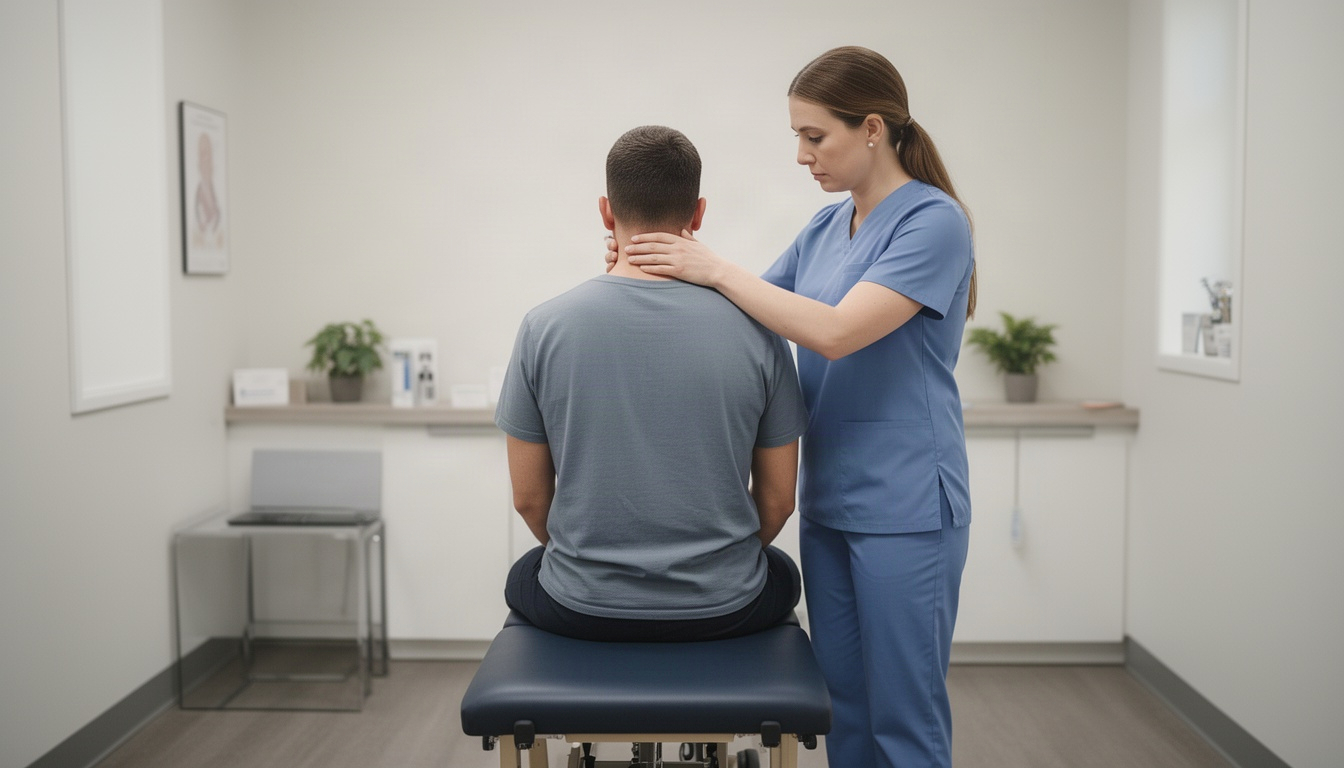
A crash can be over in seconds, yet the stiffness, headaches, neck pain, back pain, or numbness may not show up until later that day or the next morning. Injury rehabilitation gives your body a structured path forward after an accident, with care focused on reducing pain, restoring mobility, and documenting what you are experiencing from the start.
For many people, the difficult part is not only the pain. It is trying to keep up with work, family, vehicle repairs, insurance calls, and legal questions while wondering whether symptoms will get worse. A clear rehabilitation plan helps replace that uncertainty with practical next steps.
Why injury rehabilitation should begin with an evaluation
A person can walk away from an auto accident and still have a meaningful injury. During a collision, the body may be pushed, twisted, or jolted beyond its normal range of motion. Muscles can tighten to protect an injured area, joints may become irritated, and the neck or back can develop symptoms that were not obvious at the scene.
Whiplash is a familiar example. It can involve more than neck soreness. Some patients also develop headaches, shoulder tension, reduced range of motion, dizziness, upper-back pain, or symptoms that travel into an arm. Lower-back injuries may cause spasms, hip discomfort, sciatica-like symptoms, or difficulty sitting, standing, and bending comfortably.
A thorough evaluation helps identify the areas that need attention and establishes a baseline for care. The goal is not to apply the same treatment to every painful condition. It is to understand how the injury affects your movement, daily activities, and comfort, then build an individualized plan around those findings.
Early evaluation also matters when an injury claim is involved. Accurate, timely records can show when symptoms began, what limitations you reported, what treatment was recommended, and how you responded over time. That documentation supports continuity of care while helping keep your case organized.
What a personalized rehabilitation plan can include
Injury rehabilitation is usually a process, not a single appointment. The appropriate combination of therapies depends on the type of injury, your symptoms, your health history, and how your body responds to treatment. Some patients need frequent visits early on because pain and restricted movement are interfering with basic activities. Others transition to a less frequent schedule as function improves.
Chiropractic adjustments may be used to address restricted spinal or joint motion and help improve mobility. For a patient whose neck feels locked after a collision or whose low back is limiting normal movement, gentle, clinically appropriate care can be part of a broader plan to reduce discomfort and restore motion.
Therapies that support soft tissues are often valuable as well. Trigger point therapy can address painful muscle knots and tension patterns. Interferential electrical stimulation may be used to help manage pain and muscle tightness. Intersegmental traction can promote movement through the spine, while spinal or cervical decompression may be considered for certain disc-related symptoms and nerve irritation.
These options are not interchangeable, and not every patient needs every therapy. A plan should change when your symptoms change. If a particular movement becomes easier, if pain begins to travel, or if headaches become more frequent, your provider should reassess rather than simply continue the original routine.
Recovery is measured by function, not only pain levels
Pain relief matters, but it is not the only sign of progress. A useful rehabilitation plan also looks at what you can do. Can you turn your head safely while driving? Can you sleep without waking from discomfort? Can you sit through a workday, pick up a child, climb stairs, or return to exercise without a flare-up?
These functional milestones provide a more complete picture of recovery. They also help guide treatment decisions. Someone who has less pain but still cannot rotate their neck comfortably or tolerate normal activity may need continued care and a modified plan.
The habits between appointments matter
Clinical treatment creates an opportunity for recovery, but everyday choices can either support or slow that process. Your provider may recommend specific movement, activity modifications, posture changes, or home-care instructions based on your condition. The right approach is individual. Complete rest can be appropriate for a short period in some situations, but prolonged inactivity can also contribute to stiffness and loss of conditioning.
Pay attention to the activities that consistently increase symptoms. Long periods looking down at a phone, lifting heavy items, sudden twisting, poor sleep positions, and returning to demanding workouts too quickly can all aggravate an already sensitive area. That does not mean you must stop living normally. It means pacing and gradual return to activity are often smarter than pushing through sharp or worsening pain.
Clear communication makes this easier. Let your provider know if a therapy causes unusual discomfort, if symptoms spread into an arm or leg, or if a work duty is repeatedly triggering pain. Rehabilitation works best when the plan reflects your real routine, not an ideal schedule that is impossible to follow.
When symptoms need urgent medical attention
Most musculoskeletal injuries can be evaluated and managed with appropriate conservative care, but some symptoms should not wait. Seek emergency medical attention after an accident for severe or worsening headache, loss of consciousness, confusion, chest pain, trouble breathing, sudden weakness, loss of bowel or bladder control, new difficulty walking, or severe pain following significant trauma.
This is especially important because some injuries require urgent medical evaluation beyond chiropractic care. A responsible recovery plan begins by recognizing those limits and ensuring you are directed to the appropriate level of care.
Rehabilitation and personal injury documentation
For patients pursuing a personal injury claim, consistent care and organized records can reduce unnecessary stress. Insurance companies and attorneys may need information about your evaluation, diagnosis, treatment recommendations, visit history, and response to care. Missing appointments or delaying treatment without explanation can make it harder to show the full impact of an injury.
That does not mean patients should attend care only for paperwork. Treatment should always be based on clinical need and recovery goals. Still, when care is appropriate, following the recommended plan creates a clearer record of your condition and the steps taken to improve it.
At Westside Spine & Injury, this support extends beyond treatment. The practice can coordinate documentation, work with attorneys and insurance companies, accept Letters of Protection, and assist with transportation when needed. For someone already managing pain and an accident claim, having those details handled in an organized way can make it easier to focus on healing.
A practical plan for moving forward
If you were recently injured, start by scheduling an evaluation rather than waiting for symptoms to become disruptive. Bring any available accident information, imaging reports, referral details, insurance information, or attorney contact information. Just as importantly, be ready to describe how your symptoms affect sleep, work, driving, household tasks, and the activities you have had to avoid.
From there, recovery should feel understandable: identify the problem, begin appropriate non-surgical care, monitor your progress, and adjust the plan when needed. The pace will differ from person to person. A minor strain may improve relatively quickly, while whiplash, disc irritation, or nerve-related symptoms can require more time and closer follow-up.
You do not have to decide on your own whether lingering pain is something you should simply tolerate. A thoughtful evaluation can give you a clearer answer, a documented starting point, and a practical path toward moving with greater comfort and confidence again.