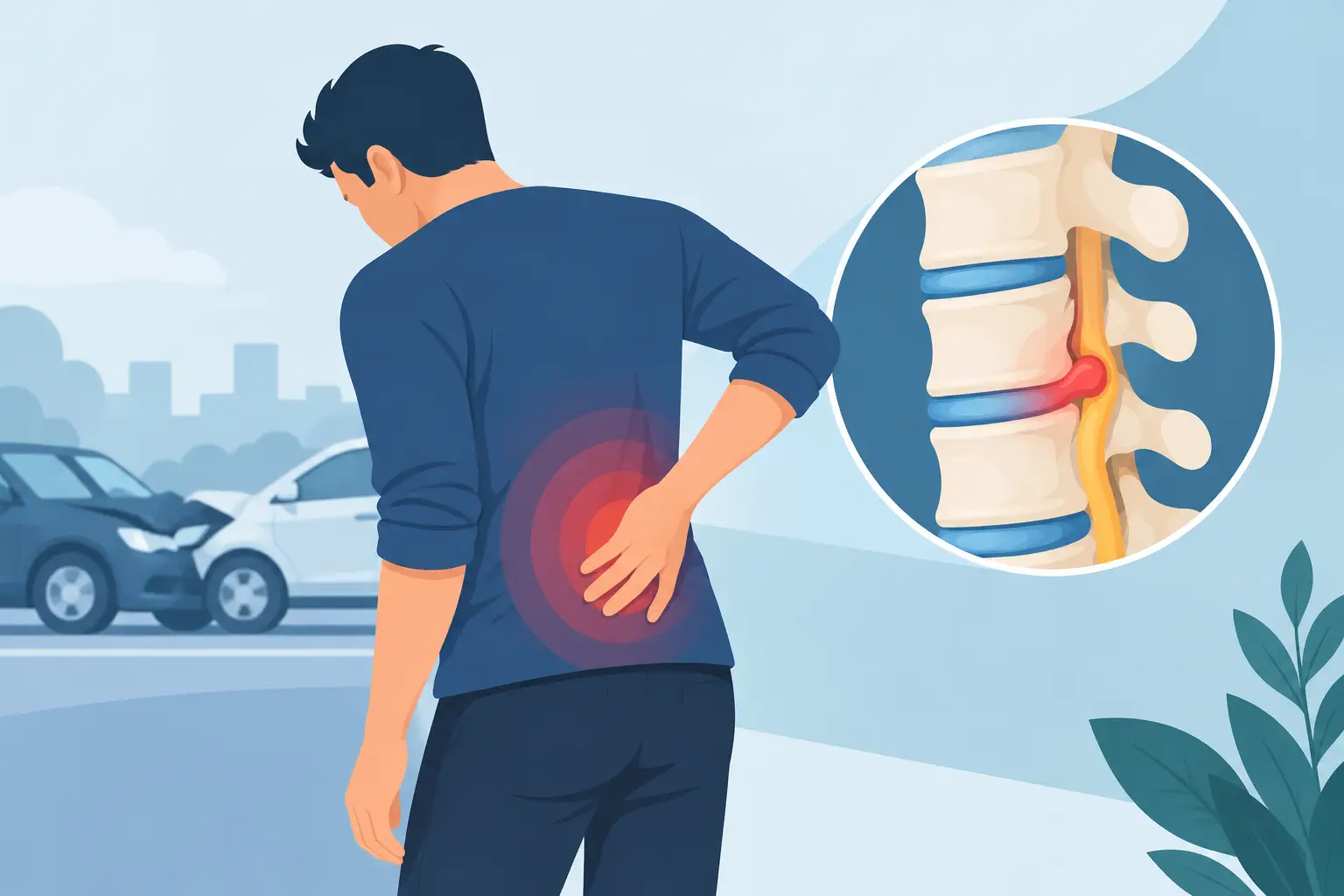
A neck injury can make ordinary movements feel risky. Looking over your shoulder while driving, sitting through a workday, sleeping comfortably, or lifting a child may all trigger stiffness, headaches, or pain that travels into the shoulder and arm. Cervical decompression therapy for neck pain is a non-surgical treatment option that may help relieve pressure in the neck while supporting mobility and a more comfortable recovery.
For many patients, especially after an auto accident, neck pain is not simply a sore muscle that fades in a few days. Whiplash, disc irritation, joint restrictions, and muscle guarding can interact, making symptoms persistent or unpredictable. The right care begins with a thorough evaluation, not a one-size-fits-all machine setting.
What cervical decompression therapy does
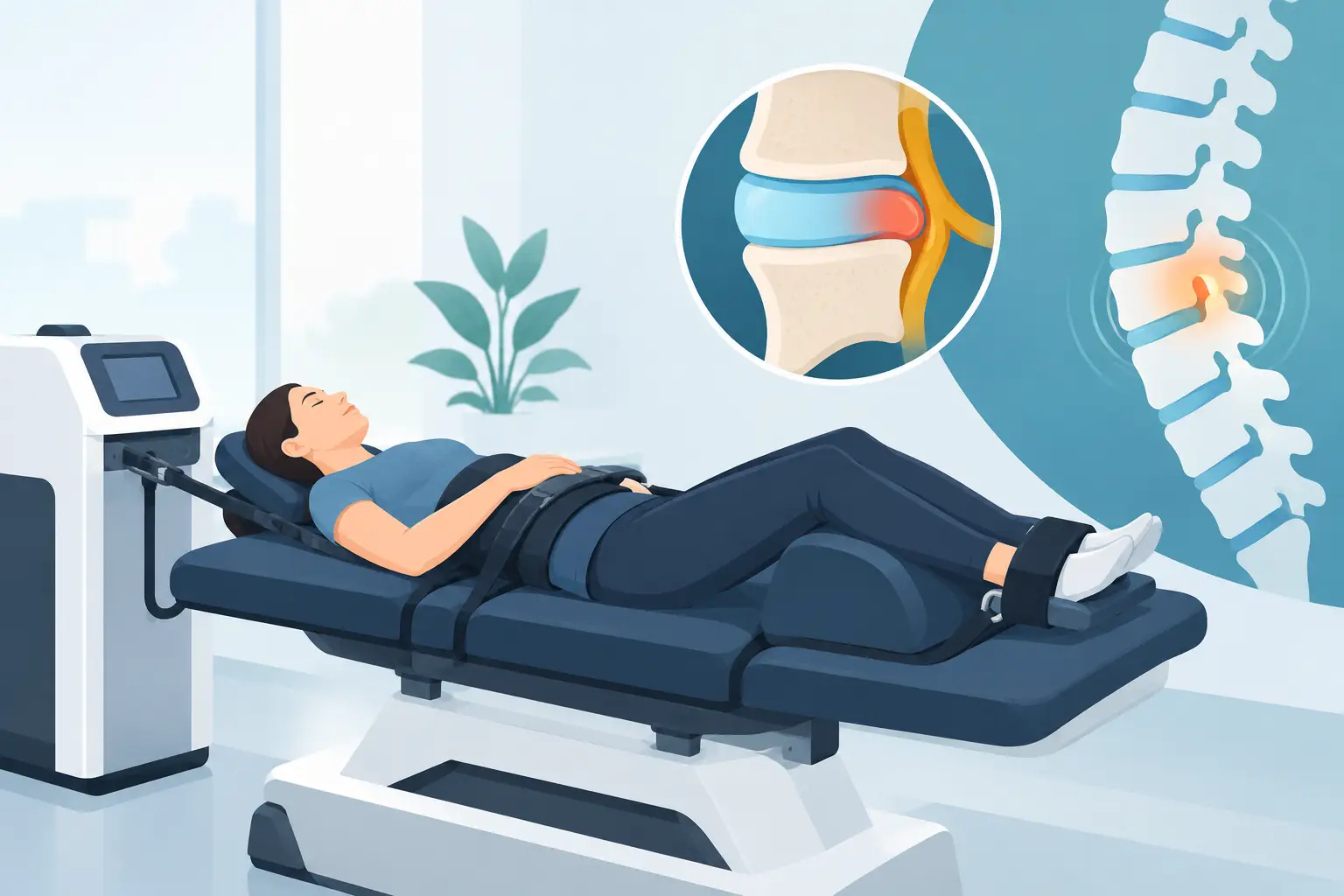
Cervical decompression is a form of controlled traction for the neck. During treatment, a provider uses gentle, measured pulling forces to create space between the cervical vertebrae. This may reduce mechanical pressure on irritated discs, joints, and nearby nerve structures.
The goal is not to force the neck into position or provide a quick fix. It is to reduce strain in a controlled way so the body has a better environment for healing. Some patients report less tightness, improved range of motion, fewer radiating symptoms, or relief from neck-related headaches as their treatment plan progresses.
The cervical spine contains seven vertebrae, discs that cushion movement, small facet joints, ligaments, muscles, and nerve roots. When an accident or repetitive strain disrupts one or more of these structures, pain may stay local to the neck or spread into the upper back, shoulder, arm, or hand. Decompression may be appropriate when pressure and restricted movement are part of that picture.
When neck decompression may be recommended
A clinical evaluation helps determine whether cervical decompression therapy is a reasonable fit. It may be considered for patients with neck pain related to disc bulges or herniation, degenerative disc changes, pinched-nerve symptoms, chronic stiffness, reduced cervical motion, or lingering whiplash discomfort.
After a collision, even a low-speed impact can cause the head and neck to move abruptly. The pain may be immediate, but it can also appear or worsen over the following days. Muscle tension may initially mask deeper joint or disc irritation. That is one reason early documentation and a careful examination matter after an auto accident.
Symptoms that may warrant an evaluation include pain when turning the head, recurring headaches that begin at the base of the skull, shoulder blade pain, numbness or tingling into an arm, or a sense that the neck is constantly guarded. These symptoms do not automatically mean decompression is needed. They do mean the source of pain should be assessed before you try to push through it.
Not every neck condition should be treated with traction
Decompression is not right for everyone. Certain fractures, severe instability, active infection, some advanced bone conditions, and specific neurological concerns may require another approach or medical referral. A provider should also take new weakness, worsening numbness, loss of coordination, severe headache after trauma, dizziness, or changes in bowel or bladder control seriously.
This is why an individualized plan matters. Good care does not start by assuming every neck problem needs the same therapy. It starts by identifying what may be driving your symptoms and selecting care that is appropriate for your health history, exam findings, and recovery goals.
What a cervical decompression appointment feels like
Most patients remain clothed and are positioned comfortably on a specialized table or traction system. The head and neck are supported while gentle traction is applied for a prescribed amount of time. The treatment should feel controlled and tolerable, not sharp, frightening, or forceful.
Settings such as the angle of pull, the amount of tension, and the duration of the session are adjusted based on the area being treated and how your body responds. Some people feel a light stretching sensation or gradual release through the neck and upper shoulders. Others may feel temporary soreness as tissues adapt, particularly if they have been protecting the area for weeks.
Tell your provider during treatment if symptoms increase, change location, or feel unusual. Clear communication allows the plan to be adjusted promptly. Relief can be immediate for some patients, while others improve gradually through a series of visits. The response depends on the underlying condition, the severity of the injury, daily activities, and whether other therapies are needed alongside decompression.
Why decompression often works best as part of a plan
Neck pain rarely has only one contributing factor. A disc may be irritated, but surrounding muscles may also be tight, posture may be altered, and normal movement patterns may have changed after an injury. Cervical decompression can address pressure and mobility, but it is often more effective when paired with care that addresses the full problem.
A personalized plan may include chiropractic adjustments when clinically appropriate, intersegmental traction, trigger point therapy for muscle tension, or interferential electrical stimulation to help manage pain and inflammation. As symptoms settle, treatment may also focus on restoring comfortable movement and helping you return to work, driving, exercise, and family responsibilities with more confidence.
There are trade-offs to consider. Passive therapies can help calm pain and make movement easier, but long-term improvement also depends on activity guidance, posture habits, and a safe progression back to normal tasks. On the other hand, doing too much too soon after a collision can keep an irritated neck from settling down. Your treatment schedule should reflect your condition, not a generic timeline.
Cervical decompression therapy for neck pain after an accident
For personal injury patients, recovery includes both clinical care and practical support. A detailed evaluation establishes a record of your symptoms, limitations, and treatment recommendations. Consistent progress notes can document how the injury affects daily function and how you respond to care over time.
This documentation can be valuable when an attorney, insurer, or case manager needs a clear picture of the treatment plan. It also helps keep your own care organized. Missed details, long gaps in treatment, or an unclear diagnosis can make an already stressful recovery harder to manage.
Westside Spine & Injury provides non-surgical care for patients recovering from auto accidents and other musculoskeletal injuries in Fort Worth. For qualifying personal injury cases, the team can assist with Letters of Protection, attorney and insurance communication, treatment documentation, and transportation coordination. The purpose is simple: give patients more room to focus on healing while the administrative details are handled with care.
Getting the most from your treatment plan
Your progress between visits matters. Follow the activity recommendations you are given, especially when your neck is healing after trauma. Small adjustments such as avoiding prolonged head-forward posture, taking movement breaks during desk work, and using proper support while sleeping can reduce unnecessary strain.
Avoid self-treating a new injury with aggressive stretching, forceful neck manipulation, or home traction devices before you have been evaluated. What feels like tightness can sometimes be a sign of irritation that needs a different strategy. A professional assessment helps distinguish between a neck that needs gentle mobility work and one that needs protection, referral, or imaging.
Bring a clear account of your symptoms to your first visit. Note when pain began, what movements aggravate it, whether symptoms travel into the arm, and how the problem affects sleep, work, and driving. After an accident, include the date of the crash and any emergency or medical care you have already received. These details help create a more precise plan from the start.
Neck pain can shrink your daily life quickly, but you do not have to wait for it to become your new normal. A careful evaluation can clarify whether cervical decompression, complementary therapies, or another form of care can help you reduce pain, restore mobility, and move forward with a plan that fits your recovery.