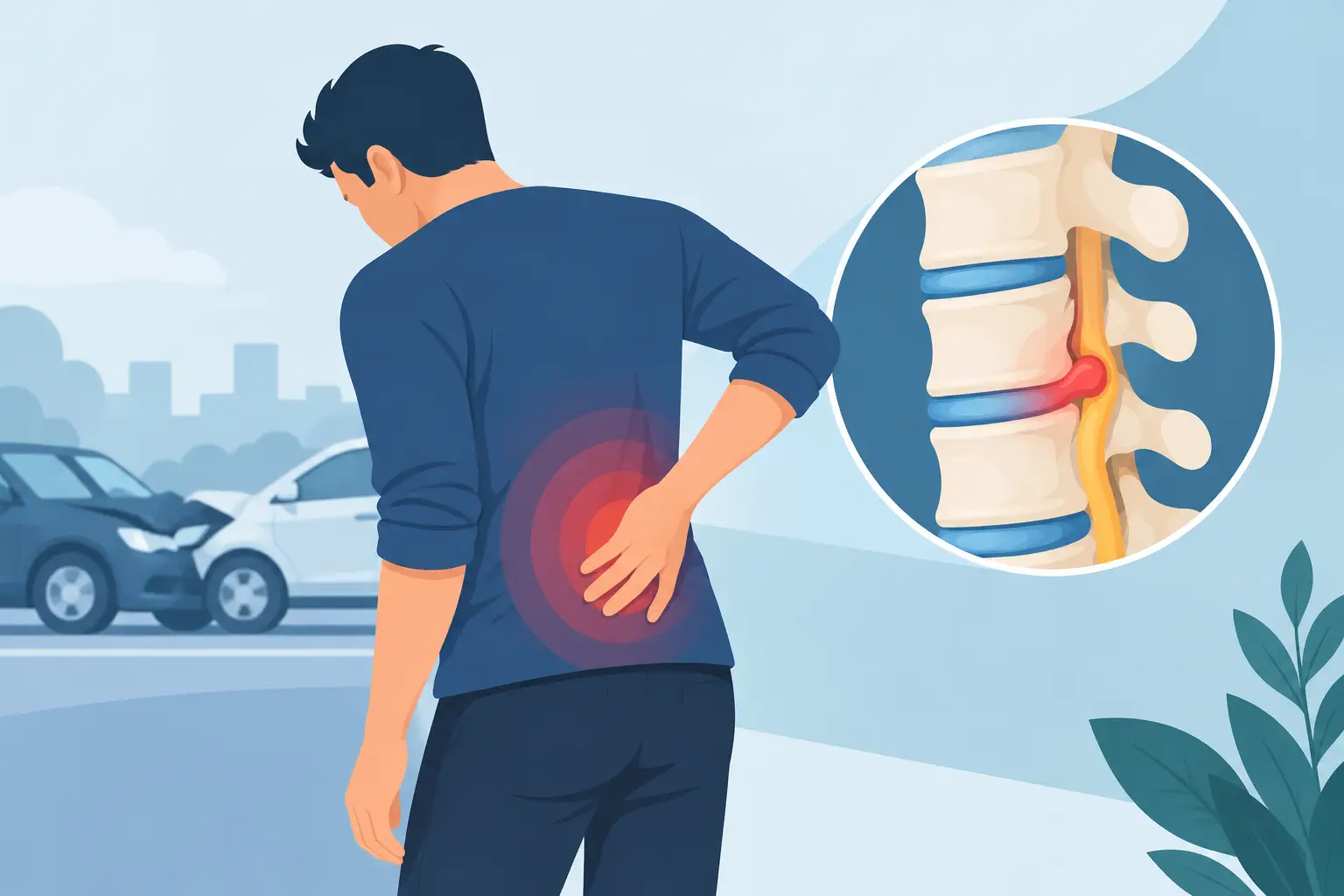
A car accident can leave you managing neck pain, headaches, stiffness, and missed work while someone else asks a question that feels far less urgent: How will treatment be paid for? Understanding injury lien versus insurance can help you make care decisions without losing focus on what matters most – reducing pain, restoring mobility, and documenting your recovery.
For many injured patients, the answer is not strictly one or the other. The right payment arrangement depends on the accident, the available coverage, whether an attorney is involved, and the treatment you need. A clear conversation with your healthcare provider and legal team can prevent surprises later.
Injury Lien Versus Insurance: The Basic Difference
Insurance is a contract. Depending on the circumstances, an auto insurer, your health insurance plan, MedPay coverage, or personal injury protection may pay for some or all of your medical care under the terms of a policy. The payment process follows coverage rules, claim requirements, deductibles, copays, authorization requirements, and sometimes network restrictions.
An injury lien is a broader term that is often used to describe an arrangement in which a provider agrees to wait for payment from a future personal injury settlement. In Texas personal injury cases, patients and attorneys may also use a Letter of Protection, or LOP. An LOP is an agreement that helps a patient receive treatment now while the provider is paid from the proceeds of a settlement or recovery later.
These terms are related but not interchangeable. A formal medical lien may have specific legal requirements, while a Letter of Protection is typically a contractual agreement among the patient, provider, and often the attorney. Your attorney can explain what document applies to your case. Your provider should explain the financial policy in plain language before treatment begins.
The practical distinction is timing. Insurance may pay during treatment, subject to the policy. A lien or LOP generally postpones payment until the claim is resolved. Neither option changes the clinical goal: you should receive a thorough evaluation and a treatment plan based on your injuries, symptoms, and functional limitations.
When Insurance May Be the Better Route
Using available insurance can make sense when coverage is clear and payment can move forward without delaying needed care. Health insurance may be appropriate for accident-related treatment, although some plans have rules about third-party claims or reimbursement rights. Auto-related MedPay coverage, if included on the policy, may help pay medical expenses regardless of fault, up to the policy limit. Personal injury protection may also be available in certain situations.
Insurance can offer predictability. You may know your deductible, copay, or coinsurance amount, and the provider may bill the insurer as treatment is delivered. That can be reassuring for patients who do not plan to pursue a liability claim or who want to avoid tying medical bills to the outcome of a settlement.
However, insurance is not always simple after an accident. A health plan may require referrals or prior authorization. Coverage can be denied, delayed, or limited to certain providers. The at-fault driver’s insurance company may not pay bills as they arrive, especially while fault and the extent of injuries are still being investigated.
There can also be reimbursement issues. If an insurer pays medical expenses and you later recover compensation from the at-fault party, the insurer may assert a right to reimbursement from part of the settlement. This is one reason it helps to have your insurance information, accident details, and legal representation organized from the beginning.
When a Lien or Letter of Protection May Help
An injury lien or Letter of Protection may be useful when you need care but do not have accessible health coverage, when auto-related benefits are unavailable or exhausted, or when the claim is still pending. It can allow treatment to begin without requiring you to pay the full cost upfront.
This approach is particularly common when accident injuries require ongoing care. Whiplash, back pain, disc-related symptoms, headaches, muscle spasms, and restricted movement may not resolve after one visit. A provider can evaluate the condition, monitor your response to care, and document changes in pain, range of motion, and daily function over time.
For a personal injury case, consistent medical records matter. They connect the accident to your symptoms, show the care recommended, and document the effect an injury has had on work, sleep, driving, household responsibilities, and physical activity. That documentation should be accurate because it supports your health needs first, not because it is designed to force a particular legal outcome.
A lien-based arrangement also involves risk and responsibility. A settlement is not guaranteed, and the amount recovered may be less than expected. Patients should understand what happens if a claim is denied, no settlement is reached, or settlement proceeds do not cover all outstanding balances. Ask for the financial agreement in writing and keep a copy.
Questions to Ask Before Choosing a Payment Path
The best decision is usually an informed one. Before you choose insurance billing, a lien, or a Letter of Protection, ask your provider how charges will be handled, what records will be maintained, and whether the office communicates with insurers and attorneys.
You should also ask whether your health insurance, MedPay, or personal injury protection is available; whether you will owe a deductible or copay; and whether there are network or authorization requirements. If you have an attorney, ask how medical bills, reimbursement claims, and provider balances will be addressed when the case ends.
It is reasonable to ask a healthcare office whether it has experience treating accident patients. Accident care often involves more than a single appointment. You may need coordinated scheduling, detailed records, progress evaluations, and communication among the provider, attorney, case manager, and insurance representatives.
At Westside Spine & Injury, that coordination is part of helping patients focus on healing. The clinic works with Letters of Protection, communicates with legal and insurance partners, and builds individualized non-surgical care plans for patients recovering from auto and personal injuries.
Do Not Let Billing Questions Delay an Evaluation
After a collision, pain can appear immediately or become more noticeable over the next several days. Adrenaline may initially mask symptoms, and inflammation or muscle guarding can make neck and back injuries feel worse later. Waiting too long to be evaluated can make it harder to identify the full extent of your condition and may leave you struggling with preventable limitations.
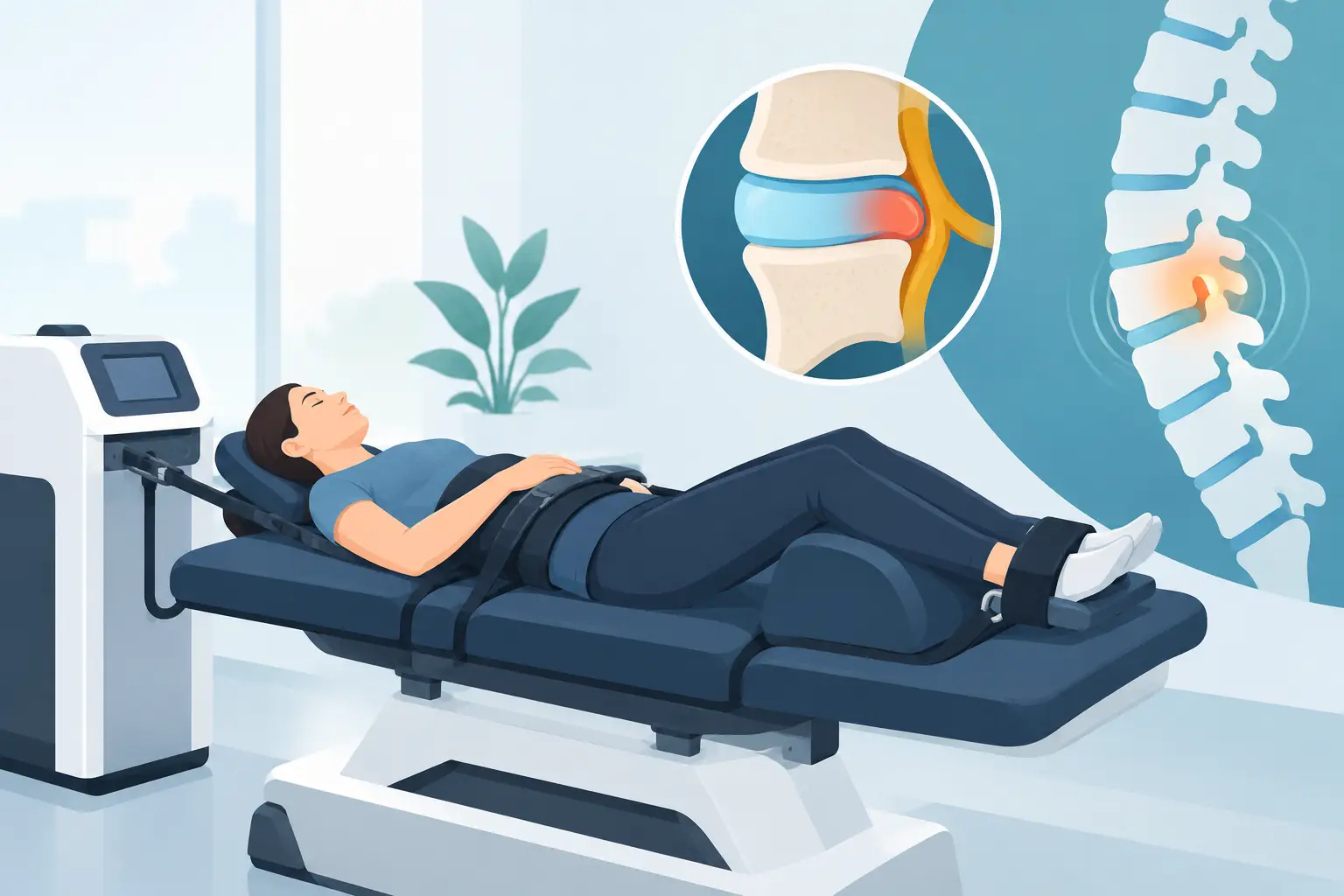
Seek prompt medical attention for severe pain, weakness, numbness, loss of coordination, worsening headaches, dizziness, or any symptom that feels urgent. For non-emergency musculoskeletal injuries, a chiropractic evaluation can help identify areas of restricted motion, muscle tension, spinal irritation, and functional loss. Treatment may include adjustments, decompression, traction, electrical stimulation, trigger point therapy, and other approaches selected for your condition.
The payment method should support access to appropriate care, not determine whether your pain is taken seriously. Whether insurance is billed now or a lien arrangement is used while a claim is pending, your treatment plan should remain focused on measurable recovery: less pain, better movement, and a safer return to daily life.
If you are unsure which option applies after an accident, gather your insurance details, accident report information, and attorney contact information before your appointment. A well-organized care team can help you understand the next administrative step while you put your energy where it belongs – getting better.