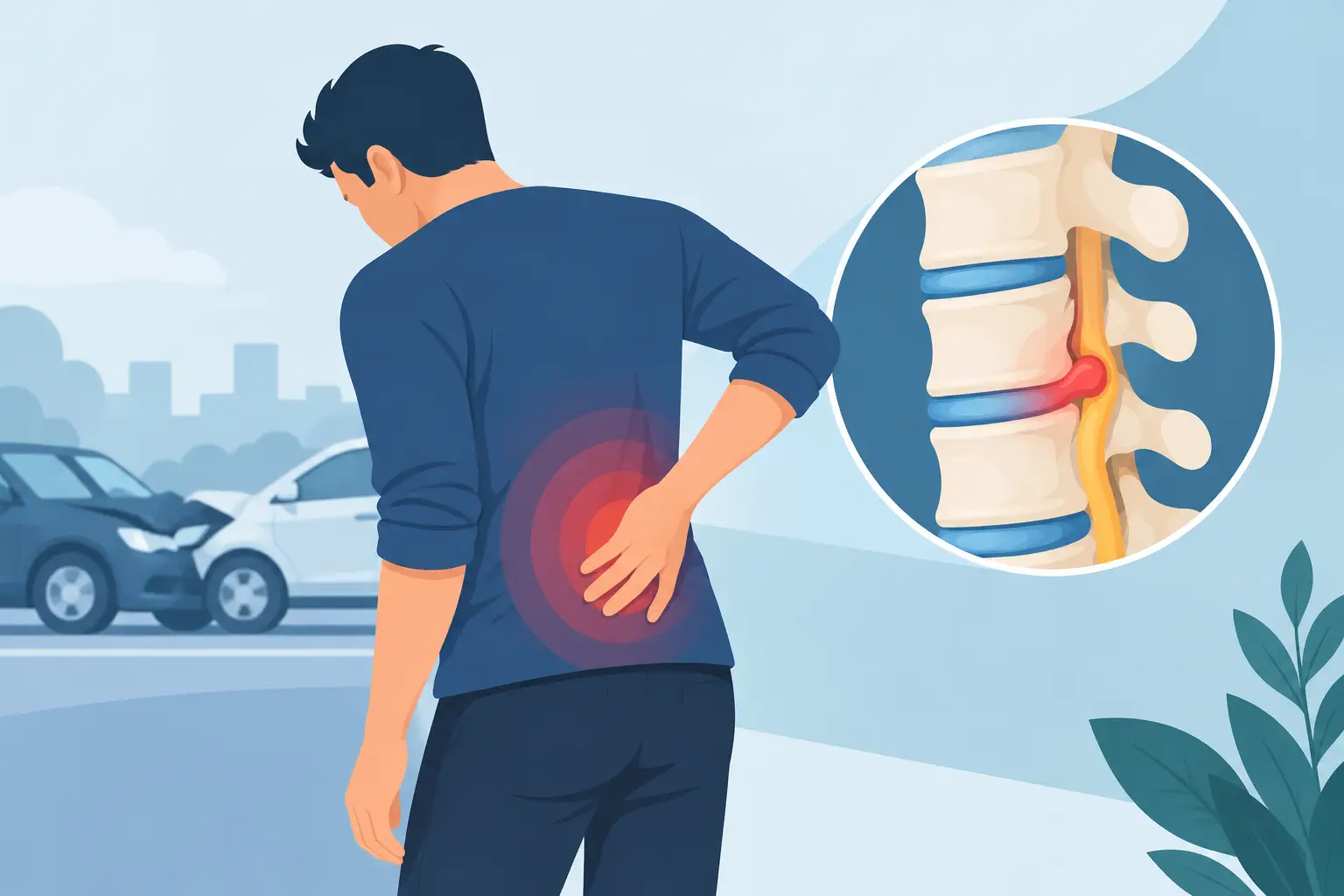
A collision can leave you shaken but seemingly fine. Then, the next morning, turning your head becomes difficult, your low back feels tight getting out of bed, or a headache starts building behind your eyes. Can accidents cause delayed pain? Yes. It is common for pain, stiffness, headaches, and restricted movement to appear hours or even days after a car accident or other injury event.
That delay does not mean the symptoms are minor or unrelated. It often means your body was focused on getting through a stressful event before inflammation, muscle guarding, and injury-related irritation became more noticeable. A prompt evaluation can help identify the source of your symptoms, reduce pain, restore mobility, and create a clear record of your care.
Why delayed pain can happen after an accident
During a crash, slip, fall, or sudden impact, the body can move in ways it was not prepared to handle. Even at lower speeds, the head, neck, back, shoulders, hips, and joints may absorb force. The absence of immediate severe pain is not a reliable measure of whether an injury occurred.
One reason is adrenaline. In the minutes following an accident, stress hormones can temporarily mask discomfort. You may be focused on getting to safety, speaking with police, checking on passengers, exchanging insurance information, or arranging transportation. Once that immediate stress response fades, soreness and pain may become more apparent.
Inflammation also takes time to develop. Strained muscles, irritated joints, and soft-tissue injuries may swell gradually. As inflammation increases, it can create tightness, tenderness, reduced range of motion, and pressure around sensitive nerves. Muscle guarding can add another layer of discomfort. Your muscles may tighten around an injured area to protect it, but persistent guarding can make ordinary movements painful.
Some injuries do not create dramatic symptoms at first. Whiplash, for example, can involve strain to muscles and ligaments in the neck after the head is forcefully moved forward, backward, or sideways. A person may initially feel only “a little sore,” then develop neck pain, headaches, shoulder tension, dizziness, or difficulty concentrating over the next several days.
Symptoms that may show up later
Delayed symptoms vary based on the type of accident, the force involved, your position at impact, existing conditions, and whether you had a seat belt or other protective equipment. Symptoms worth taking seriously include neck or back pain, stiffness, headaches, shoulder pain, hip pain, and pain that worsens with movement.
You may also notice tingling, numbness, burning pain, or weakness in an arm or leg. These symptoms can occur when inflammation or injury affects a nerve pathway. Low back pain that travels into the buttock or leg may resemble sciatica, while neck-related irritation can cause pain, tingling, or weakness that extends into the shoulder, arm, or hand.
Changes in function matter as much as a pain rating. Pay attention if you cannot comfortably look over your shoulder while driving, sit through a workday, sleep in your usual position, lift a child, exercise, or complete household tasks. These limitations provide useful clinical information and should be documented during your evaluation.
Bruising, swelling, jaw pain, balance issues, fatigue, or sensitivity to light and noise can also occur after an accident. Do not assume a symptom is unrelated simply because it appeared later. Share the complete timeline with your healthcare provider, including what you felt at the scene, what changed afterward, and what activities make symptoms better or worse.
When delayed pain needs urgent medical attention
Many accident-related injuries respond well to conservative, non-surgical care. However, certain symptoms need immediate medical assessment. Seek emergency care or call 911 for severe or rapidly worsening headache, loss of consciousness, confusion, slurred speech, seizures, trouble breathing, chest pain, severe abdominal pain, or uncontrolled bleeding.
Urgent evaluation is also needed for new or worsening weakness, loss of coordination, numbness in the groin area, loss of bladder or bowel control, severe neck or back pain after significant trauma, or pain accompanied by fever. These symptoms may point to conditions that require emergency testing or treatment.
For symptoms that are painful but not emergent, scheduling an evaluation as soon as possible is still a smart next step. Waiting until pain becomes unbearable can allow stiffness, compensatory movement patterns, and inflammation to interfere further with work, sleep, and daily life.
What happens if you wait too long?
Not every sore muscle becomes a long-term problem. Sometimes minor soreness improves with rest and gentle movement. Still, “wait and see” has trade-offs after an accident. If pain persists, worsens, or limits your activities, delaying care can make it harder to understand the full injury picture and begin the right treatment plan.
Without guidance, people often compensate for pain by avoiding movement, shifting weight to one side, or relying on awkward postures. These changes may temporarily protect a painful area, but they can place added strain on nearby muscles and joints. For instance, a stiff neck may lead to shoulder tension and headaches, while low back pain may affect how you walk, sit, and sleep.
There is also a practical consideration in personal injury cases. Timely documentation connects your reported symptoms, examination findings, and treatment plan to the accident more clearly. That documentation can be useful when communicating with insurance companies or attorneys. Care should always be centered on your health, but organized records can reduce confusion while you focus on healing.
Can accidents cause delayed pain even after a minor crash?
Yes. Vehicle damage does not always reflect what happened to the people inside the vehicle. The body can experience a sudden transfer of force even when a crash seems minor, particularly when impact comes from behind or from the side. Factors such as head position, seat position, bracing before impact, and prior injuries can affect how your body responds.
That said, symptoms after a minor crash are not automatically evidence of a serious injury. A thorough evaluation helps separate temporary soreness from signs that may need a more structured recovery plan. The goal is not to assume the worst. It is to take your symptoms seriously enough to make an informed decision.
How a structured evaluation supports recovery
A good accident evaluation starts with listening. Your provider should ask about the accident, symptom timing, areas of pain, prior injuries, medications, and the ways pain is affecting your routine. A physical examination may assess posture, spinal and joint motion, muscle tenderness, strength, sensation, reflexes, and other findings relevant to your symptoms.
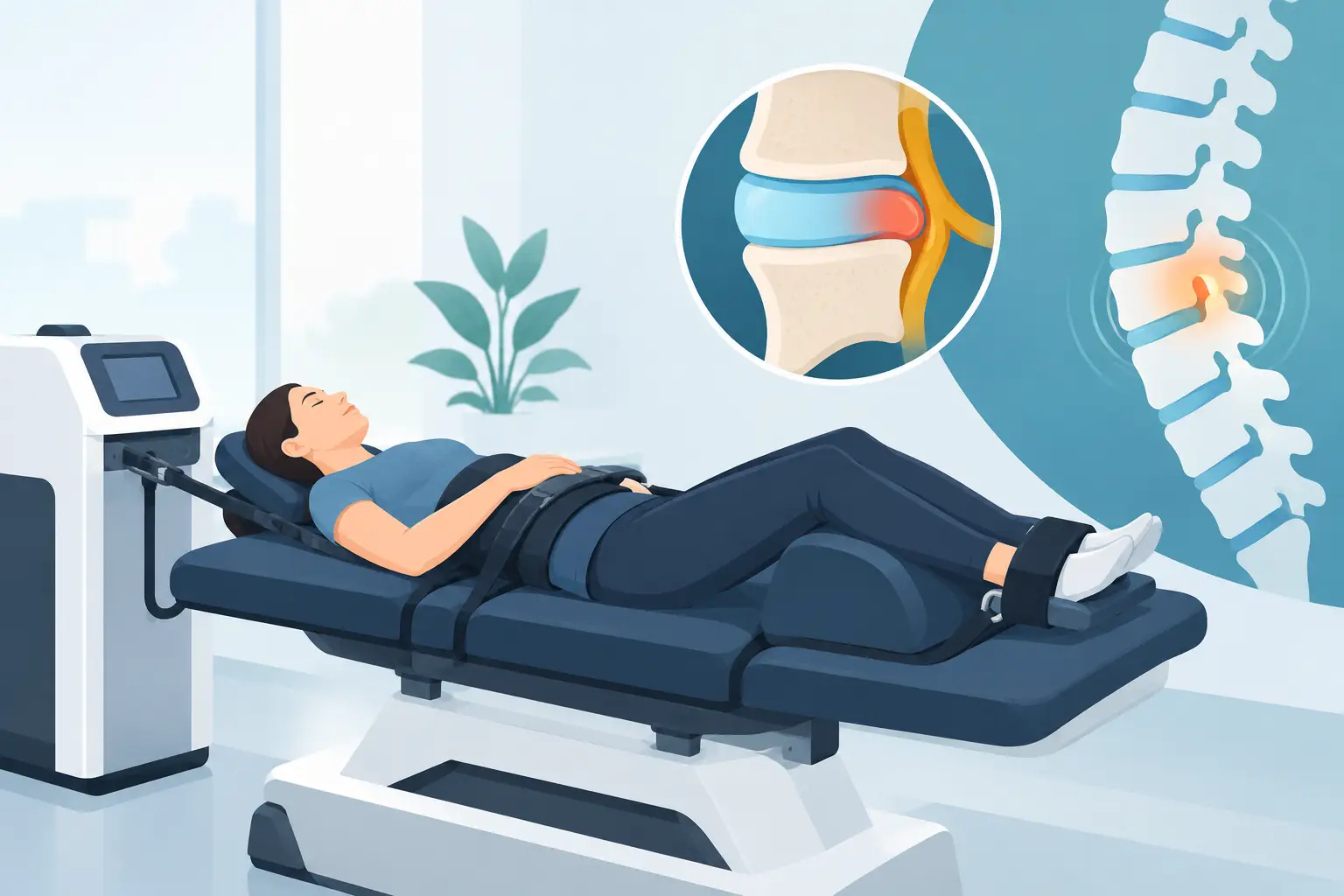
From there, treatment should be individualized. Depending on your condition and medical needs, conservative care may include chiropractic adjustments, gentle mobility work, trigger point therapy, intersegmental traction, interferential electrical stimulation, or spinal and cervical decompression. These therapies may help reduce muscle tension, support circulation, improve range of motion, and manage pain as part of a broader recovery plan.
The right approach depends on your examination findings and how your body responds. Some patients need short-term care for acute soreness; others benefit from a longer plan to address whiplash, disc-related discomfort, nerve symptoms, or significant movement restrictions. When imaging, medication management, or another medical specialist is appropriate, a responsible provider should help guide that next step.
At Westside Spine & Injury, accident care is designed to address both sides of recovery: personalized, non-surgical treatment and the practical details that can feel overwhelming after an injury. For patients working with an attorney or insurance company, organized treatment records, Letters of Protection support, and care coordination can help keep the process clear.
What to do when pain appears after an accident
Start by writing down what you notice. Record the date of the accident, when symptoms began, where they occur, how intense they feel, and which activities aggravate them. Keep notes on missed work, sleep disruption, or changes in daily function. This is useful for your provider and can help you recognize whether symptoms are improving or progressing.
Avoid trying to “push through” sharp pain, numbness, weakness, or worsening symptoms. Gentle movement may be appropriate for some people, but aggressive stretching, heavy lifting, or returning to strenuous exercise too quickly can aggravate an injury. Until you have been evaluated, choose caution over guesswork.
Delayed pain is your body asking for attention, not a problem to dismiss because it did not arrive at the accident scene. Getting clear answers early can give you a safer path back to driving, working, sleeping, moving, and living with confidence.