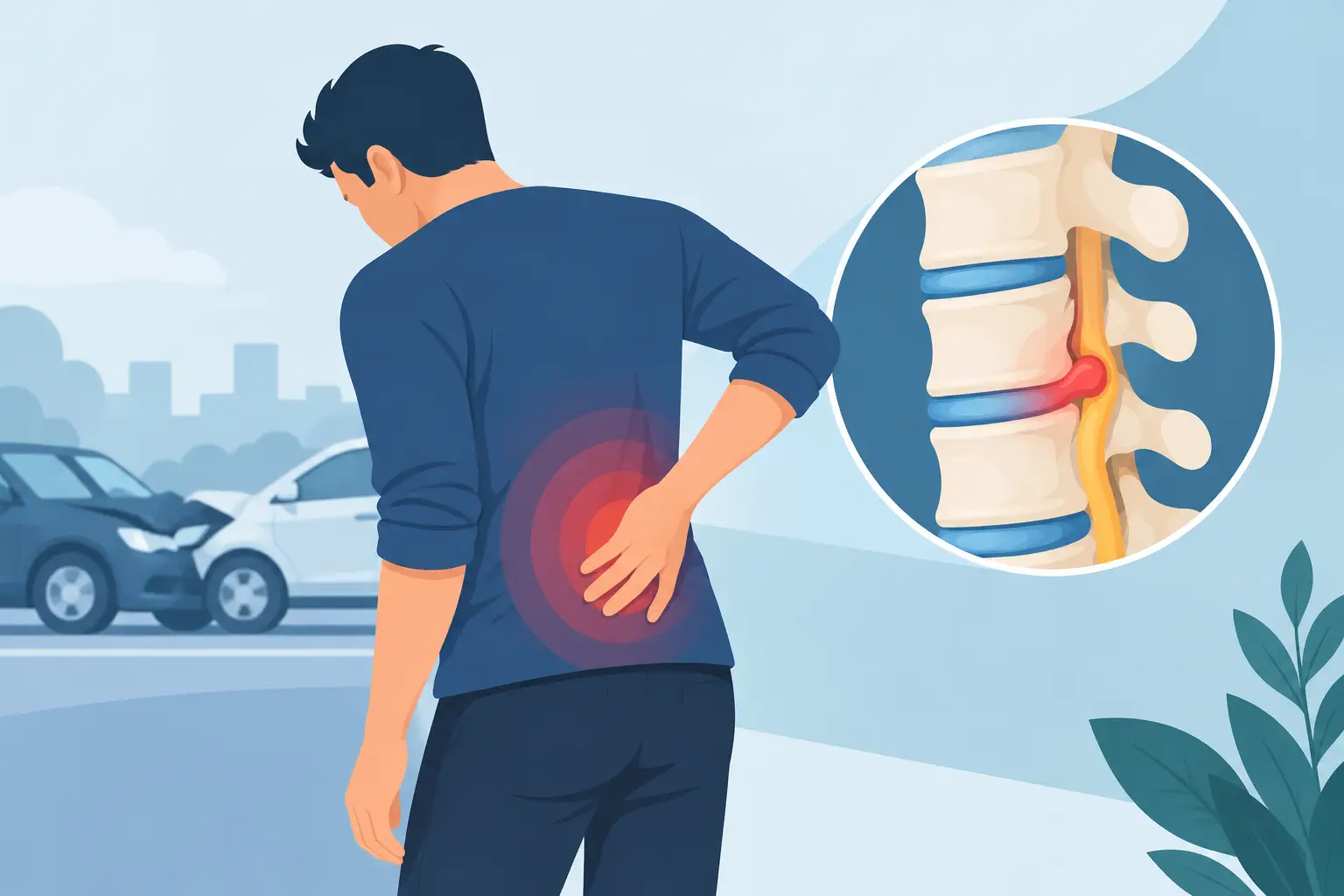
A sharp ache traveling from your low back through your hip and down one leg can make sitting, driving, sleeping, and working feel like a constant negotiation. Chiropractic care for sciatica nerve pain focuses on finding what may be irritating the nerve, reducing stress on the affected area, and helping you move with greater comfort and confidence. The right plan is not about forcing a quick fix. It is about understanding your symptoms and supporting a safer, steadier recovery.
What Sciatica Nerve Pain Can Feel Like
Sciatica is a pattern of symptoms caused by irritation or compression involving the sciatic nerve or the nerve roots that form it. The sciatic nerve travels from the lower back through the buttock and into each leg, which is why symptoms often extend beyond the back itself.
Pain may feel burning, electric, stabbing, or like a deep ache. Some people notice tingling, numbness, or weakness in the buttock, thigh, calf, or foot. Symptoms can flare when standing from a chair, bending, coughing, driving for long periods, or turning in bed. For others, the pain is less dramatic but persistent enough to limit walks, household tasks, exercise, and sleep.
Sciatica is not a diagnosis by itself. It is a clue that a structure in or near the low back may be affecting a nerve. Common contributors include disc bulges or herniated discs, joint irritation, muscle tension, degenerative changes, spinal narrowing, and inflammation after an injury. A car accident can also trigger or worsen symptoms, even when the initial pain seemed limited to the neck or back.
How Chiropractic Care for Sciatica Nerve Pain May Help
A chiropractic evaluation looks beyond the location of pain. Your provider may assess posture, spinal movement, muscle tightness, joint function, reflexes, sensation, strength, and the positions that reproduce or relieve your symptoms. This helps identify whether your care should emphasize gentle mobility, decompression, soft-tissue treatment, stabilization, or referral for additional testing.
When clinically appropriate, chiropractic adjustments may help improve joint motion and reduce mechanical stress in the lower back and pelvis. Better movement does not guarantee that every source of nerve irritation disappears immediately, but it can reduce the guarding and stiffness that often keep pain cycles going.
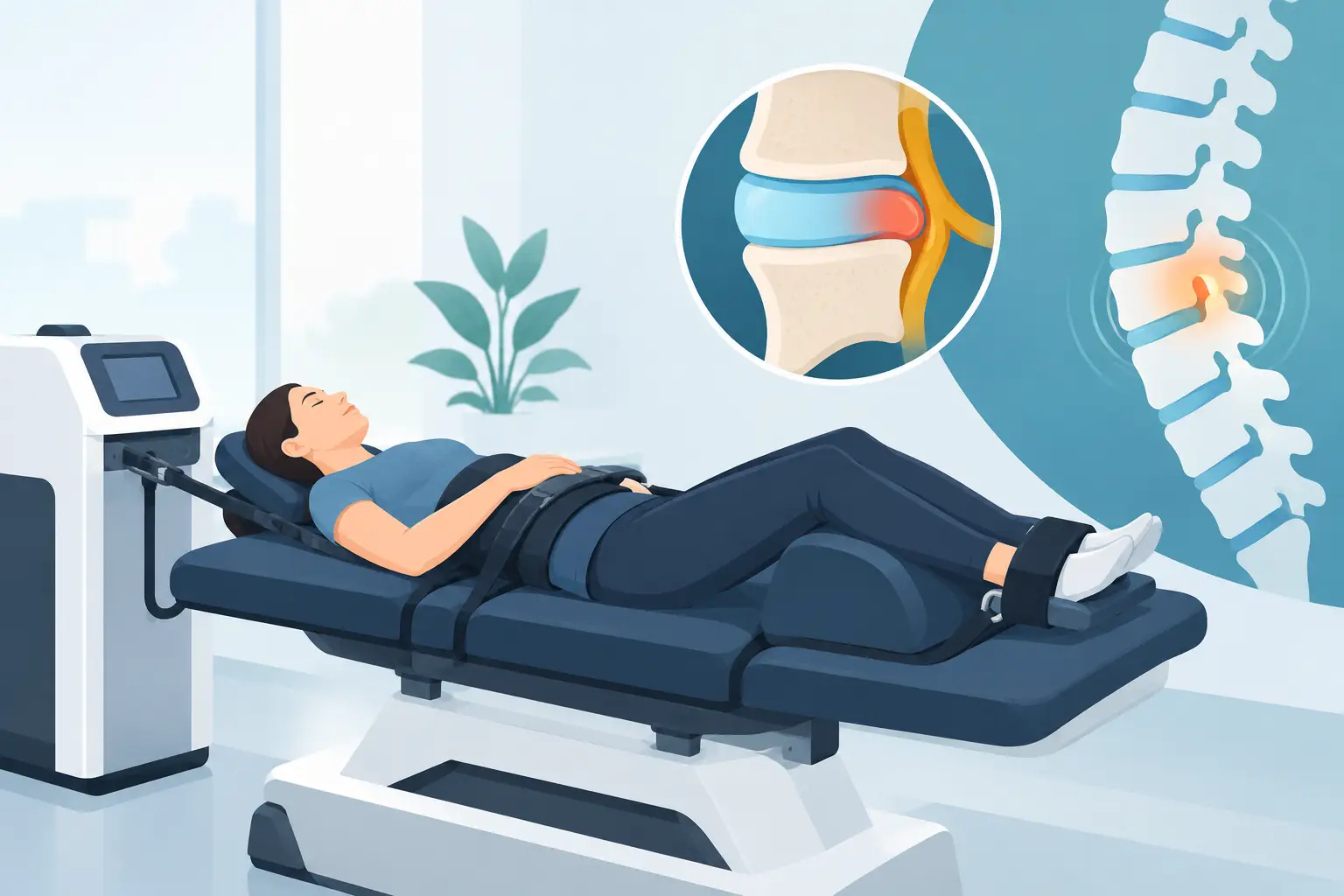
Care may also include spinal decompression. This non-surgical approach uses controlled traction to gently create space in the spine. For certain disc-related conditions, it may help reduce pressure and support circulation around irritated structures. It is not the right choice for every patient, which is why a thorough evaluation matters before treatment begins.
Muscle tension can be another major part of sciatica symptoms. Trigger point therapy, intersegmental traction, and interferential electrical stimulation may be used to calm overactive muscles, reduce discomfort, and help the body tolerate movement more comfortably. As pain settles, guided stretches and simple movement recommendations can help restore range of motion without overloading the irritated area.
The goal is practical: reduce pain, restore mobility, and help you return to the responsibilities that pain has interrupted. That may mean getting through a workday without repeated flare-ups, being able to drive more comfortably, or picking up your child without fear of a sharp pain down your leg.
Your Treatment Plan Should Match the Cause
Two people can both say they have sciatica and need very different care. One person may have symptoms after lifting a heavy box, while another develops them after a rear-end collision. A third may have intermittent leg pain related to long-standing disc changes and prolonged sitting. Their treatment plans should not look identical.
At Westside Spine & Injury, care begins with a comprehensive evaluation and an individualized plan based on your symptoms, injury history, movement limitations, and recovery goals. Early visits may focus on reducing acute irritation and improving tolerance for normal movement. As symptoms improve, care can shift toward mobility, muscle balance, and strategies that support lasting function.
Progress is rarely perfectly linear. Some patients feel relief quickly, while others need more time because inflammation, disc involvement, or muscle guarding has been present for weeks or months. Consistent care and clear communication allow the plan to be adjusted as your body responds.
After an Auto Accident, Do Not Ignore Leg Symptoms
After a collision, adrenaline can mask pain for hours or days. Low back soreness may later develop into pain, tingling, or numbness that travels into the leg. Even a relatively low-speed impact can strain muscles, irritate spinal joints, or aggravate a disc condition.
Prompt documentation can be valuable for both your health and your personal injury claim. A detailed evaluation records your symptoms, functional limitations, findings, treatment recommendations, and response to care. For patients working with an attorney, organized records help show how the injury has affected daily life and why ongoing treatment is medically necessary.
Personal injury recovery also comes with logistical pressure. Coordinating appointments, transportation, insurance questions, and legal documentation can feel overwhelming when you are in pain. A clinic that communicates with attorneys and insurance representatives, supports Letters of Protection, and helps organize treatment details can make it easier to focus on healing.
When Sciatica Needs Urgent Medical Attention
Most sciatica symptoms deserve a timely evaluation, but certain signs require urgent medical care rather than waiting for a chiropractic appointment. Seek immediate attention for new loss of bowel or bladder control, numbness in the groin or inner thighs, rapidly worsening leg weakness, severe symptoms after a major trauma, fever with significant back pain, or unexplained weight loss.
You should also tell your provider about a history of cancer, infection risk, osteoporosis, blood-thinning medication, or prior spinal surgery. These factors may change which treatments are appropriate and whether imaging or medical referral is needed first.
A patient-centered chiropractic office should recognize when conservative care is appropriate and when another level of evaluation is necessary. Non-surgical treatment can be highly useful for many causes of sciatic pain, but responsible care never ignores red flags or pushes treatment that does not fit the clinical picture.
What You Can Do Between Visits
Resting completely for long periods can sometimes make stiffness and sensitivity worse. Gentle, frequent movement is often more helpful, as long as it does not sharply increase symptoms. Short walks, changing positions regularly, and avoiding prolonged slouched sitting can reduce irritation for many people.
Pay attention to patterns rather than trying to push through severe pain. If sitting aggravates your symptoms, stand and walk briefly every 20 to 30 minutes when possible. If bending and twisting trigger a flare-up, move more deliberately and keep objects close to your body when lifting. A clinician can recommend exercises that match your condition, because stretches that help one cause of sciatica may aggravate another.
Heat or ice may provide short-term comfort depending on whether your symptoms feel more like acute inflammation or muscle tightness. Use either carefully, with a barrier between the pack and skin, and avoid falling asleep with a heating pad. Medication questions should be discussed with your prescribing physician or pharmacist, particularly after an accident or if you have other medical conditions.
A Clear Path Back to Daily Movement
Sciatica can make everyday choices feel smaller than they should be: which chair to sit in, how far to walk, whether you can safely drive, or how you will make it through another shift. You do not have to sort through those decisions alone. A thoughtful evaluation can clarify what is driving your symptoms, identify safe non-surgical options, and create a plan that supports your recovery one step at a time.
If leg pain, numbness, or low back discomfort is limiting your life in Fort Worth or the surrounding area, timely care can help you move from uncertainty toward an organized recovery plan focused on healing and function.