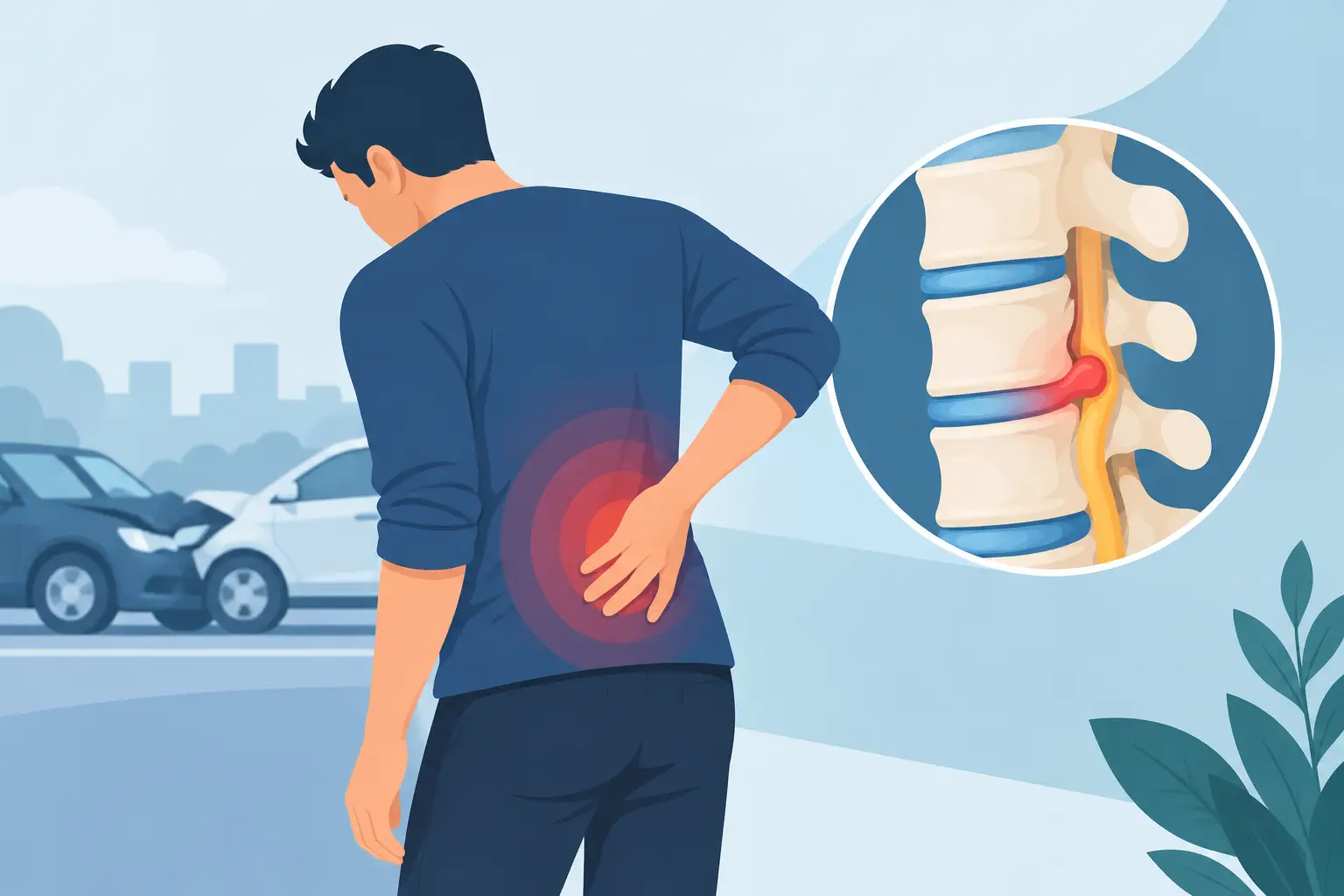
A herniated disc can make ordinary movements feel unpredictable. Sitting through a commute, bending to pick up a child, coughing, or getting out of bed may trigger sharp back pain or pain that travels into the hip, leg, shoulder, or arm. Spinal decompression for herniated disc pain is a non-surgical treatment approach designed to gently reduce pressure on affected spinal structures while helping the body move and heal more comfortably.
For people recovering after a car accident or dealing with persistent disc-related pain, the right question is not simply whether decompression can help. It is whether it fits the injury, symptoms, medical history, and overall recovery plan. A thorough evaluation comes first.
What a Herniated Disc Can Feel Like
Between the bones of the spine are discs that help absorb force and support movement. Each disc has a tougher outer layer and a softer inner material. A disc may bulge, protrude, or herniate when its structure is stressed or damaged. In an accident, sudden impact can strain the neck or back and aggravate a disc that had not caused symptoms before.
Pain often depends on the location of the disc and whether nearby nerve tissue is irritated. A lumbar disc issue can contribute to low back pain, sciatica, numbness, tingling, weakness, or burning discomfort that travels down one leg. In the neck, a cervical disc problem may cause neck pain, headaches, shoulder pain, and symptoms into the arm or hand.
Symptoms can also be influenced by muscle guarding, inflammation, joint restriction, and poor tolerance for certain positions. That is why two people with similar imaging findings may need very different care plans. Treatment should be based on the complete clinical picture, not an image alone.
How Spinal Decompression for Herniated Disc Pain Works
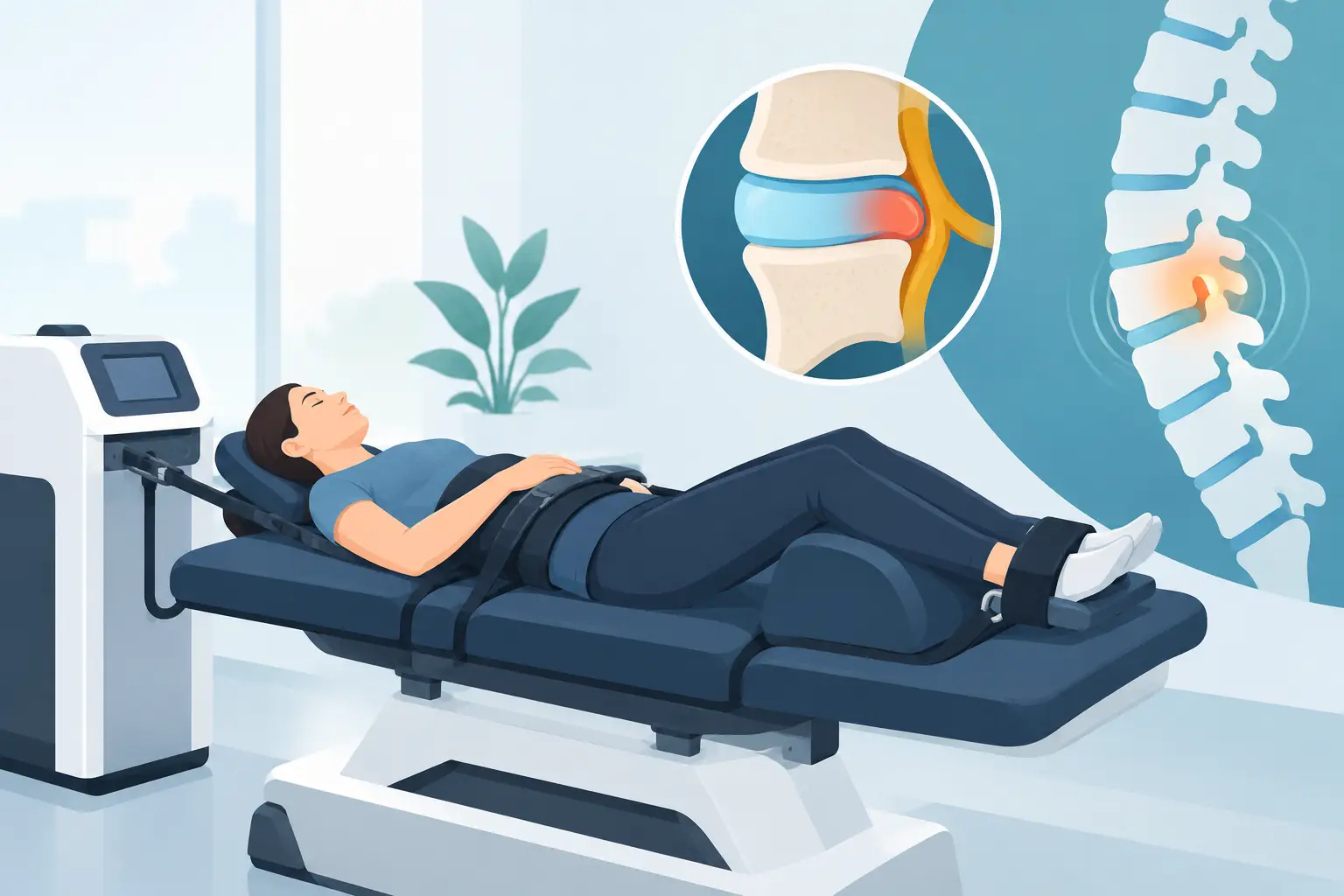
Spinal decompression uses controlled, gentle traction to create intermittent stretching and relaxation along a targeted area of the spine. The goal is to reduce compressive forces, improve space around irritated structures, and encourage healthier movement of fluids and nutrients within the disc.
During treatment, the patient is positioned comfortably on a specialized table. The provider sets the angle and amount of pull according to the region being treated, the person’s tolerance, and the symptoms being addressed. The movement is gradual, not forceful. Many patients describe the session as a mild stretching sensation or a period of relief from constant pressure.
Decompression is not intended to “push a disc back into place” in a single visit. That description oversimplifies a complex injury. Instead, the treatment may help reduce mechanical stress and make it easier to move, rest, and participate in the other parts of rehabilitation. Results vary, particularly when disc changes are longstanding or symptoms are severe.
When Decompression May Be a Good Fit
A provider may consider decompression when a patient has disc-related back or neck pain, radiating nerve symptoms, limited mobility, or pain that worsens with compression and certain movements. It can be especially useful as part of a conservative plan for people who want to explore non-surgical care before more invasive options are considered.
After an auto accident, symptoms do not always appear at the scene. Adrenaline can mask pain, while inflammation and muscle tightness build over the following days. Early evaluation can identify restricted motion, neurological symptoms, and patterns that may need focused care. It also creates a clear record of symptoms and treatment recommendations when an injury claim is involved.
Decompression is not appropriate for every patient. A complete health history matters. Certain fractures, severe osteoporosis, spinal instability, advanced neurological deficits, infection, cancer involving the spine, or recent spinal surgery may require another approach or medical clearance. Pregnancy and other health considerations may also change the plan.
A Treatment Plan Should Address More Than the Disc
Disc pain rarely exists in isolation. When pain has been present for weeks or months, the surrounding muscles may tighten to protect the area. That tension can limit circulation, alter posture, and make normal movement feel threatening. A useful recovery plan addresses both the irritated area and the movement patterns that developed around it.
At Westside Spine & Injury, decompression may be combined with chiropractic care, intersegmental traction, interferential electrical stimulation, trigger point therapy, and guided recommendations for safe activity. The combination depends on the examination findings and how the patient responds from visit to visit.
For example, someone with acute low back pain and leg symptoms may first need calming care that reduces muscle spasm and irritation. As symptoms improve, the focus can shift toward restoring range of motion and gradually returning to work demands, household tasks, exercise, or driving. Someone with a chronic disc issue may need a slower progression and more attention to posture, conditioning, and flare-up prevention.
The goal is practical: reduce pain, restore mobility, and help the patient regain confidence in daily movement. A plan should be adjusted when symptoms change rather than following the same routine regardless of progress.
What to Expect During and After Care
Your first visit should include a conversation about how the pain started, where it travels, what makes it better or worse, and how it affects sleep, work, and daily activities. The provider may assess posture, range of motion, muscle tension, reflexes, strength, and sensation. If prior imaging or medical records are available, they can add helpful context.
A decompression session is typically one part of an appointment, not the entire visit. Treatment frequency depends on the severity and duration of symptoms, the nature of the injury, and the patient’s response. Some people notice less pressure or easier movement after early visits. Others improve more gradually as inflammation settles and the body adapts to treatment.
Mild soreness can occur after any new therapeutic activity, particularly when muscles have been guarding for a long time. Patients should report new symptoms, worsening pain, or changes in numbness or weakness promptly. Open communication allows the treatment plan to stay safe and responsive.
Red Flags That Need Prompt Medical Attention
Conservative care can be appropriate for many disc conditions, but some symptoms require urgent medical evaluation. Seek immediate medical attention if back or neck pain is accompanied by:
- New loss of bladder or bowel control
- Numbness in the groin, inner thighs, or saddle area
- Rapidly worsening weakness in an arm or leg
- Severe pain after a major trauma, especially with suspected fracture
These symptoms may signal a serious condition that should not be managed with routine decompression or chiropractic treatment alone.
Support for Personal Injury Recovery
When herniated disc symptoms follow a collision or other personal injury event, recovery often involves more than appointments. Patients may be trying to manage transportation, missed work, insurance calls, medical records, and communication with an attorney while they are in pain.
Organized documentation is valuable because it tracks the initial examination, reported symptoms, functional limits, treatment dates, and response to care. For eligible personal injury cases, coordinated support with attorneys, insurance companies, and Letters of Protection can reduce administrative stress and help patients focus on healing. Bilingual service and appointment availability can also make it easier to begin care without unnecessary delays.
Herniated disc pain can make life smaller when every movement has to be planned. A personalized evaluation can clarify whether spinal decompression and complementary therapies are appropriate, giving you a structured path toward more comfortable movement and a steadier return to the life you need to live.