A collision can leave you hurting before you know how you will pay for care. Neck stiffness, headaches, back pain, numbness, and reduced movement may appear immediately or worsen over the next few days. For people managing an injury claim, a chiropractor letter of protection Fort Worth patients can use may make it possible to begin treatment without waiting for a settlement.
A Letter of Protection, often called an LOP, can help connect necessary medical care with the financial side of a personal injury case. It also requires clear communication, organized records, and a treatment plan based on your actual condition, not assumptions about your claim.
What Is a Letter of Protection?
A Letter of Protection is an agreement used in many personal injury cases. Generally, it documents that a healthcare provider will provide treatment and defer payment until the case is resolved. The patient, provider, and attorney may each have responsibilities under the agreement.
The exact terms matter. An LOP is not insurance, and it does not mean treatment is free. It is also not a guarantee that a settlement will occur or that every charge will be covered. Your attorney can explain the legal and financial terms that apply to your case, while your healthcare provider can explain recommended care, expected costs, and treatment documentation.
For an injured patient, the practical benefit is access to care when immediate out-of-pocket payment, delayed insurance decisions, or liability questions might otherwise postpone treatment. Early evaluation can help identify movement restrictions, spinal injury patterns, soft-tissue damage, and symptoms that need structured attention.
When an LOP May Be a Good Fit After an Accident
An LOP may be appropriate when you have been injured in an auto accident or another personal injury event and are working with an attorney. It can be especially helpful when the other party’s insurance company has not yet accepted responsibility, when benefits are limited, or when you do not have health coverage available for accident-related care.
That said, an LOP is not the right arrangement for every patient or every case. Some people have personal injury protection benefits, MedPay coverage, health insurance, or another payment option that should be considered first. The best path depends on your coverage, your attorney’s guidance, the provider’s policies, and the care you need.
The priority should remain the same: receive an appropriate evaluation and follow a plan designed to reduce pain, restore mobility, and support a safe return to work, family responsibilities, and normal daily activity.
How a Chiropractor Letter of Protection in Fort Worth Works
The process usually starts with an appointment and a detailed evaluation. Your chiropractor should ask about the accident, the force of impact, where you were seated, when symptoms began, and how pain is affecting your movement and daily routines. The clinical exam may include posture assessment, range-of-motion testing, orthopedic and neurological screening, and review of any available imaging or prior records.
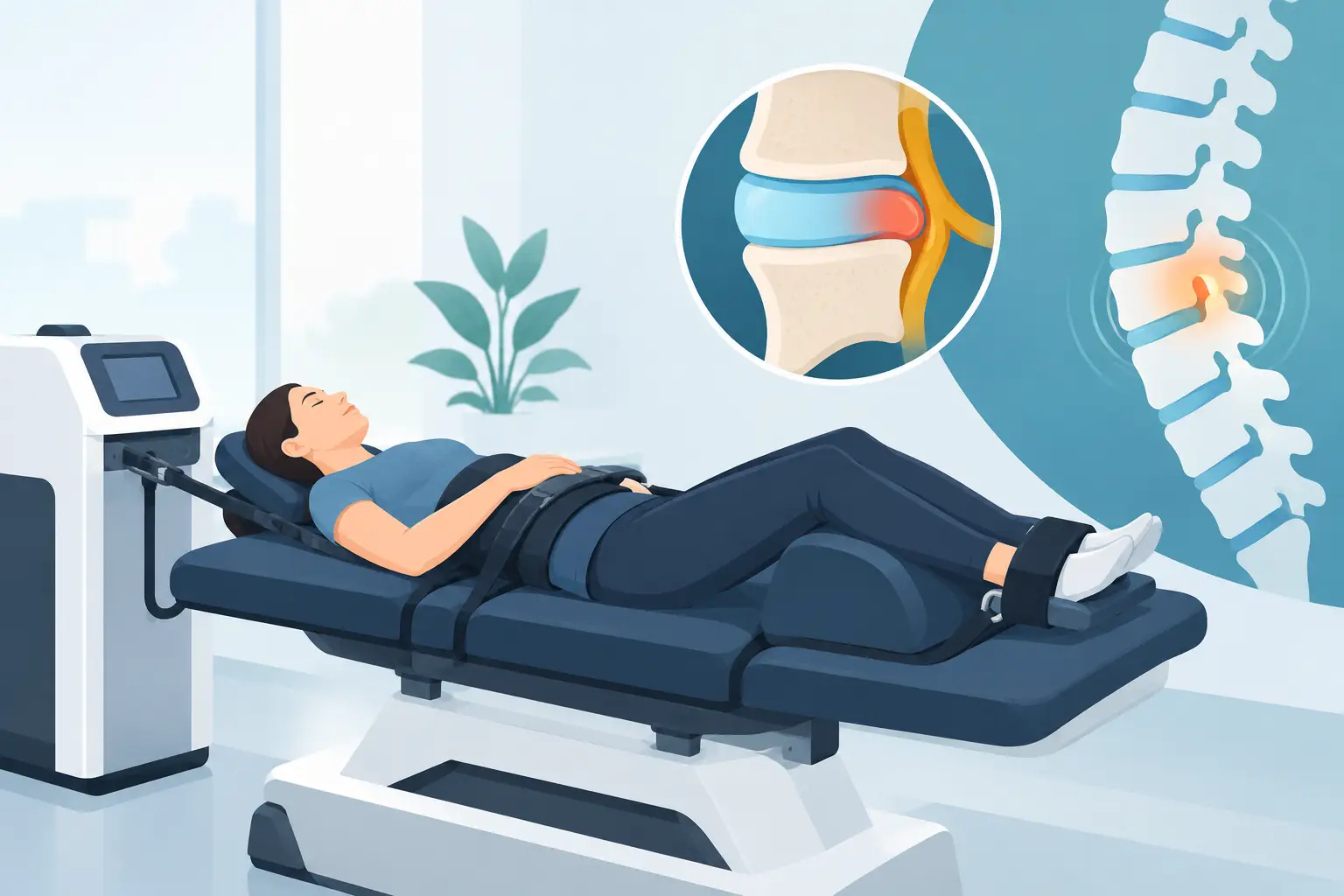
If chiropractic care is appropriate, your provider develops an individualized treatment plan. Depending on your injuries, that may include chiropractic adjustments, cervical or spinal decompression, intersegmental traction, interferential electrical stimulation, trigger point therapy, and therapies intended to ease inflammation and muscle tension. The purpose is not simply to document pain. It is to address functional limitations and help your body recover.
Once an LOP arrangement is being considered, the clinic and attorney’s office typically coordinate on the required paperwork. Patients should provide accurate attorney contact information and promptly notify the clinic if representation changes. This prevents missed messages and helps everyone maintain an organized record of care.
At Westside Spine & Injury, accident patients can receive non-surgical chiropractic treatment alongside practical support with attorney communication, insurance coordination, documentation, and transportation assistance when available.
Why Consistent Treatment and Documentation Matter
After an accident, a single visit rarely tells the whole story. Whiplash, disc irritation, muscle strain, joint restrictions, and nerve-related symptoms can change as inflammation settles or activity increases. Consistent visits allow your provider to monitor progress, adjust treatment when needed, and document objective findings alongside your reported symptoms.
Good records should reflect the course of care accurately. That includes the initial examination, diagnosis or clinical findings, treatment recommendations, dates of service, response to treatment, progress notes, referrals when necessary, and discharge status. Clear documentation helps your attorney understand the medical side of the case and helps support continuity of care if another provider becomes involved.
Patients also have a role. Attend scheduled visits whenever possible, follow home-care instructions, be honest about changes in symptoms, and communicate quickly if transportation, work schedules, or pain levels create barriers to care. Missing care without explanation can interrupt recovery and make it harder for the clinical team to evaluate your progress.
Questions to Ask Before Signing an LOP
Before you agree to any Letter of Protection arrangement, take time to understand it. Ask who is responsible for charges if the case does not settle as expected, how billing will be handled, whether the provider communicates directly with your attorney, and what happens if you change attorneys or providers.
You should also ask what treatment is recommended and why. A trustworthy clinic should be able to explain your condition in plain language, discuss the goals of care, and tell you how progress will be measured. If symptoms suggest a need for imaging, a medical evaluation, or referral to another specialist, that conversation should happen promptly.
An LOP should support your access to care, not pressure you into treatment you do not understand. You deserve straightforward answers about your health and the administrative process surrounding your case.
Support for Attorneys and Their Injured Clients
For attorneys and case managers, responsive provider communication can make a meaningful difference. Accident cases often involve multiple appointments, insurance questions, treatment updates, and requests for records. A clinic familiar with personal injury care can help keep this information organized without losing sight of the patient’s recovery.
The most useful clinical partnership is one built on accuracy and timeliness. Providers should document care thoroughly, communicate professionally with legal teams, and make referrals when a patient’s condition calls for services beyond chiropractic treatment. Patients benefit when their care team and legal team have a clear, appropriate process for sharing necessary information.
Frequently Asked Questions
Can I start chiropractic treatment before the insurance claim is resolved?
Often, yes. If an LOP is accepted and the necessary arrangements are in place, treatment may begin while the claim is pending. Your provider and attorney can explain the steps needed for your situation.
Do I need an attorney to use a Letter of Protection?
Many LOP arrangements involve an attorney because the letter is tied to a pending personal injury claim. Requirements vary by provider and case circumstances, so ask the clinic about its policy before scheduling.
Is an LOP the same as health insurance?
No. Health insurance is coverage that pays according to a policy’s benefits and rules. An LOP is a payment arrangement connected to a legal claim. It should be reviewed carefully with your attorney.
What if my pain begins days after the crash?
Delayed symptoms are common after an accident. Schedule an evaluation as soon as you notice pain, stiffness, headaches, tingling, weakness, or limited movement. Prompt assessment helps determine whether chiropractic care is appropriate and whether another level of medical care is needed.
Pain after an accident can make every decision feel more complicated than it should. Start with an evaluation, ask clear questions about your options, and choose a care team that helps you focus on healing while keeping the details organized.