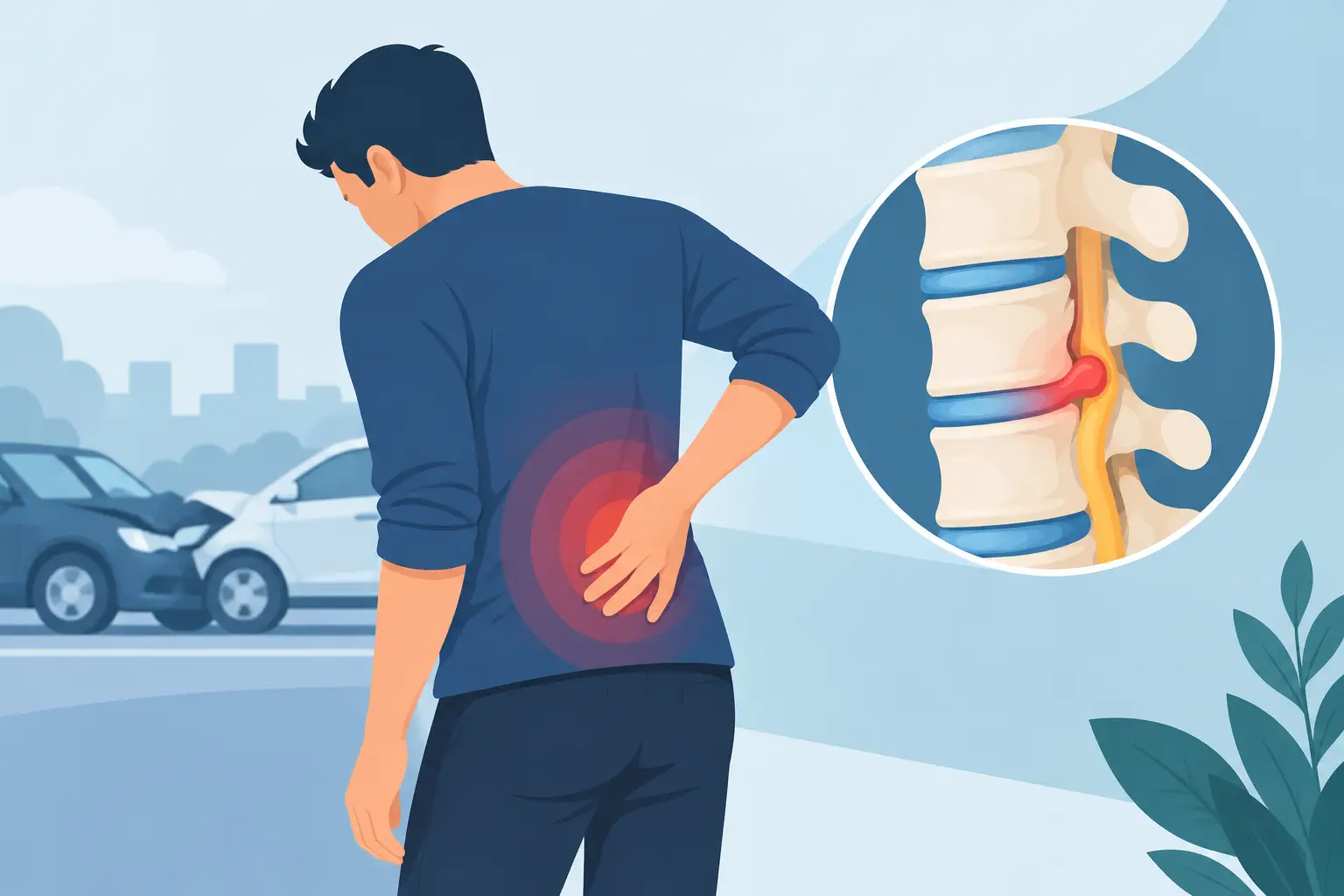
A collision can leave you shaken, sore, and unsure what to do next – especially when the damage to the vehicle seems minor. If you are asking, “should I see a chiropractor after a car accident,” the practical answer is often yes: schedule an evaluation promptly, even if your symptoms seem manageable at first. Pain, stiffness, headaches, and limited movement can take hours or days to become noticeable.
A chiropractic evaluation does not replace emergency medical care. It is a focused way to assess accident-related musculoskeletal injuries, identify changes in movement and spinal function, and create a non-surgical recovery plan when appropriate. Early attention can help reduce pain, restore mobility, and provide a clear record of the care you need after a crash.
Should I See a Chiropractor After a Car Accident If I Feel Okay?
You should consider an evaluation if you have any new discomfort, stiffness, headaches, or loss of range of motion after a collision. The force of a crash can move the head, neck, shoulders, and back beyond their normal limits. Adrenaline may temporarily mask the body’s response, so feeling fine immediately afterward does not always mean there is no injury.
Whiplash is a common example. It can happen in rear-end, side-impact, and even lower-speed accidents. Symptoms may include neck pain, shoulder tension, headaches, dizziness, upper-back soreness, jaw discomfort, or trouble turning your head. Some people also develop low-back pain, hip pain, numbness, tingling, or shooting pain into an arm or leg.
An evaluation is especially worthwhile if pain is interfering with sleep, work, driving, exercise, child care, or other daily responsibilities. The goal is not to assume the worst. It is to understand what is causing your symptoms and address it before compensating movements, muscle guarding, and inflammation create a longer recovery.
Get Emergency Care First When Warning Signs Are Present
After any accident, your immediate safety comes first. Call 911 or seek emergency medical attention for severe or worsening symptoms such as loss of consciousness, confusion, chest pain, shortness of breath, severe abdominal pain, uncontrolled bleeding, sudden weakness, difficulty speaking, or a severe headache unlike your usual headaches.
You should also seek urgent medical evaluation if you have new loss of bowel or bladder control, significant numbness, progressive weakness, or pain that is intense and escalating. These symptoms may require medical imaging, emergency treatment, or care from another provider before chiropractic treatment is considered.
For non-emergency injuries, a chiropractor can perform a thorough assessment and determine whether conservative care is appropriate. If findings suggest the need for imaging, a specialist, or another medical service, a responsible clinic will help direct you to the right next step.
What Happens During a Post-Accident Chiropractic Evaluation?
A proper post-accident visit should be more than a quick adjustment. It begins with listening. Your provider will ask about the collision, including the direction of impact, whether you were wearing a seat belt, where you were sitting, when symptoms started, and how those symptoms affect your routine.
The physical exam may include posture assessment, range-of-motion testing, orthopedic and neurological checks, palpation of sore muscles and joints, and evaluation of how your spine and extremities are moving. This helps identify patterns commonly associated with whiplash, sprains and strains, joint restriction, disc irritation, muscle spasm, and nerve-related symptoms.
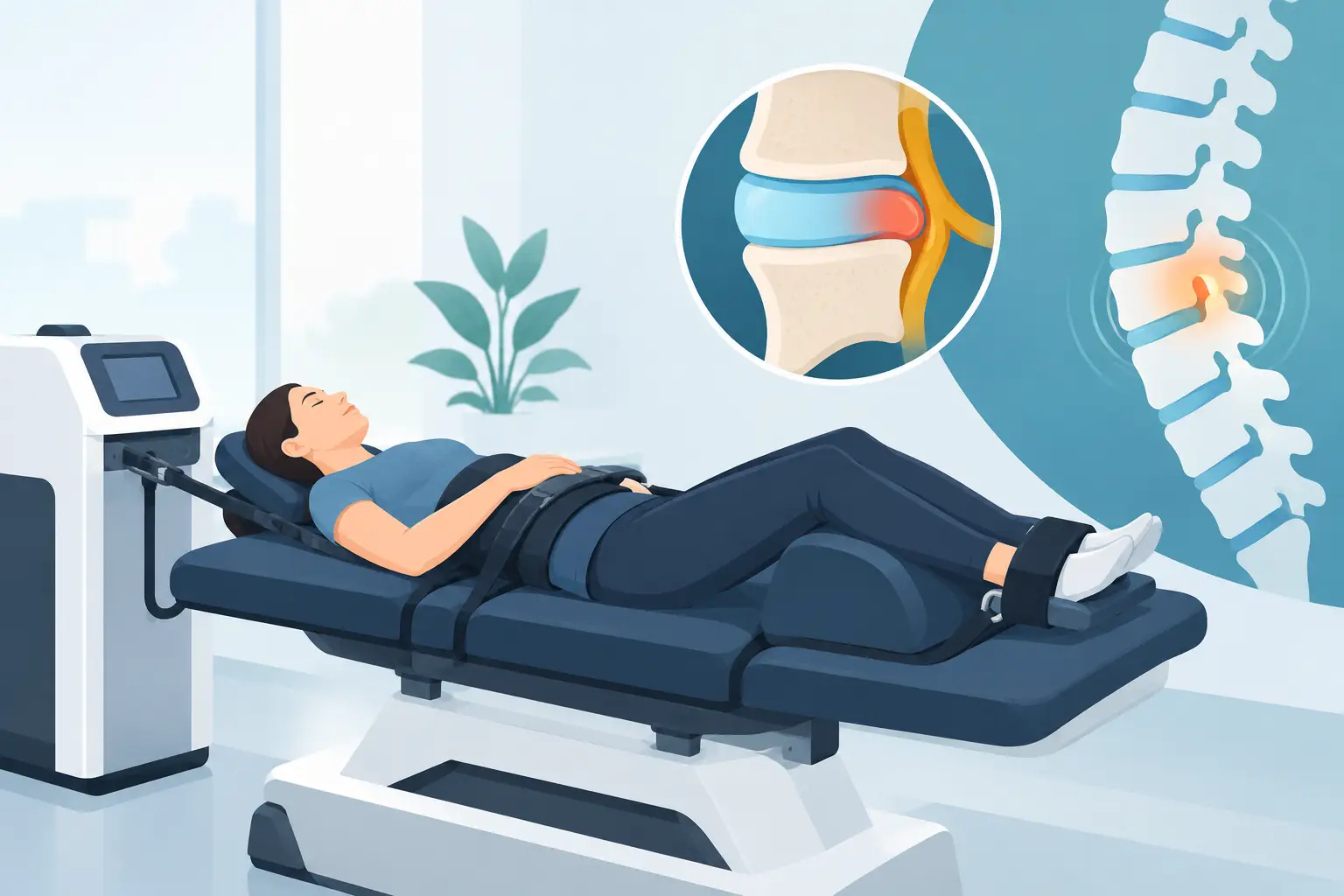
Your treatment plan should reflect your specific condition, not a one-size-fits-all schedule. Some patients need gentle care initially because inflammation and sensitivity are high. Others may benefit from a combination of chiropractic adjustments, targeted soft-tissue treatment, therapeutic exercises, decompression, or recovery therapies that support circulation and help calm muscle tension.
Progress also matters. Your provider should monitor pain levels, movement, functional limits, and response to treatment over time. Recovery after an accident is not always linear, but a structured plan gives you and your care team a way to adjust treatment as your body heals.
How Chiropractic Care May Help After a Collision
Chiropractic care focuses on the musculoskeletal effects of trauma, particularly in the neck, back, shoulders, hips, and joints. Depending on your examination findings, care may be designed to reduce inflammation, decrease muscle tension, improve joint movement, and restore a more comfortable range of motion.
For some patients, gentle chiropractic adjustments can help address restricted spinal or joint motion that contributes to pain and stiffness. Trigger point therapy may help release painful, overactive muscles. Interferential electrical stimulation may be used to help manage pain and muscle spasm, while intersegmental traction can promote mobility through controlled movement.
Cervical or spinal decompression may be considered for certain disc-related symptoms, but it is not appropriate for every injury or every stage of recovery. That distinction is important. Good care is based on your symptoms, exam findings, health history, and tolerance – not on pushing a specific treatment because it is available.
The most meaningful measure is function. Relief matters, but so does being able to look over your shoulder while driving, sit through a workday, pick up your child, sleep more comfortably, or return to the activities that make up your life.
Why Timing Matters for Treatment and Documentation
Prompt care can make a difference for both recovery and documentation. When you wait for pain to become unbearable, injured muscles and joints may have spent days or weeks adapting to restricted movement. That can make the recovery process more complicated than it needed to be.
If your accident involves an insurance claim or personal injury case, timely records also help establish what happened and how your injuries have affected you. Documentation may include your reported symptoms, examination findings, treatment recommendations, progress notes, work restrictions when appropriate, and referrals if needed.
This is not a reason to exaggerate symptoms or seek treatment you do not need. It is a reason to be accurate. Tell your provider what you felt immediately after the crash, what changed in the following days, and what tasks are now harder. Clear, consistent information supports better clinical decisions and helps keep your case organized.
What to Bring to Your Appointment
Bring your insurance information, accident details, and any records you already have from urgent care, the emergency room, imaging centers, or other providers. If you have a claim number, adjuster contact information, police report details, or attorney information, bring those as well.
You do not need to have every document before seeking care. A clinic experienced with auto injury cases can help you understand what information is useful and coordinate with the appropriate parties. If you are working with an attorney, treatment records and communication should be handled carefully so your care stays focused on healing while administrative details remain organized.
At Westside Spine & Injury, accident patients can receive individualized non-surgical care alongside support with documentation, insurance communication, Letters of Protection, and transportation needs. That combination can reduce the practical stress that often keeps injured people from following through with treatment.
Questions to Ask Before Starting Care
Choose a provider who explains your condition in plain language and gives you room to ask questions. You should understand what they found, what treatments they recommend, how often they expect to see you, what progress may look like, and when they would refer you for additional medical evaluation.
Ask whether the plan can be adjusted if your symptoms change. Ask how records are handled if an attorney or insurance company is involved. Most of all, pay attention to whether you feel heard. Accident recovery can be frustrating, and you deserve care that is both clinically thoughtful and respectful of your time, comfort, and circumstances.
You do not have to wait until pain disrupts every part of your day. A timely evaluation after a car accident can give you clarity, a personalized path forward, and the support to focus on healing with greater confidence.