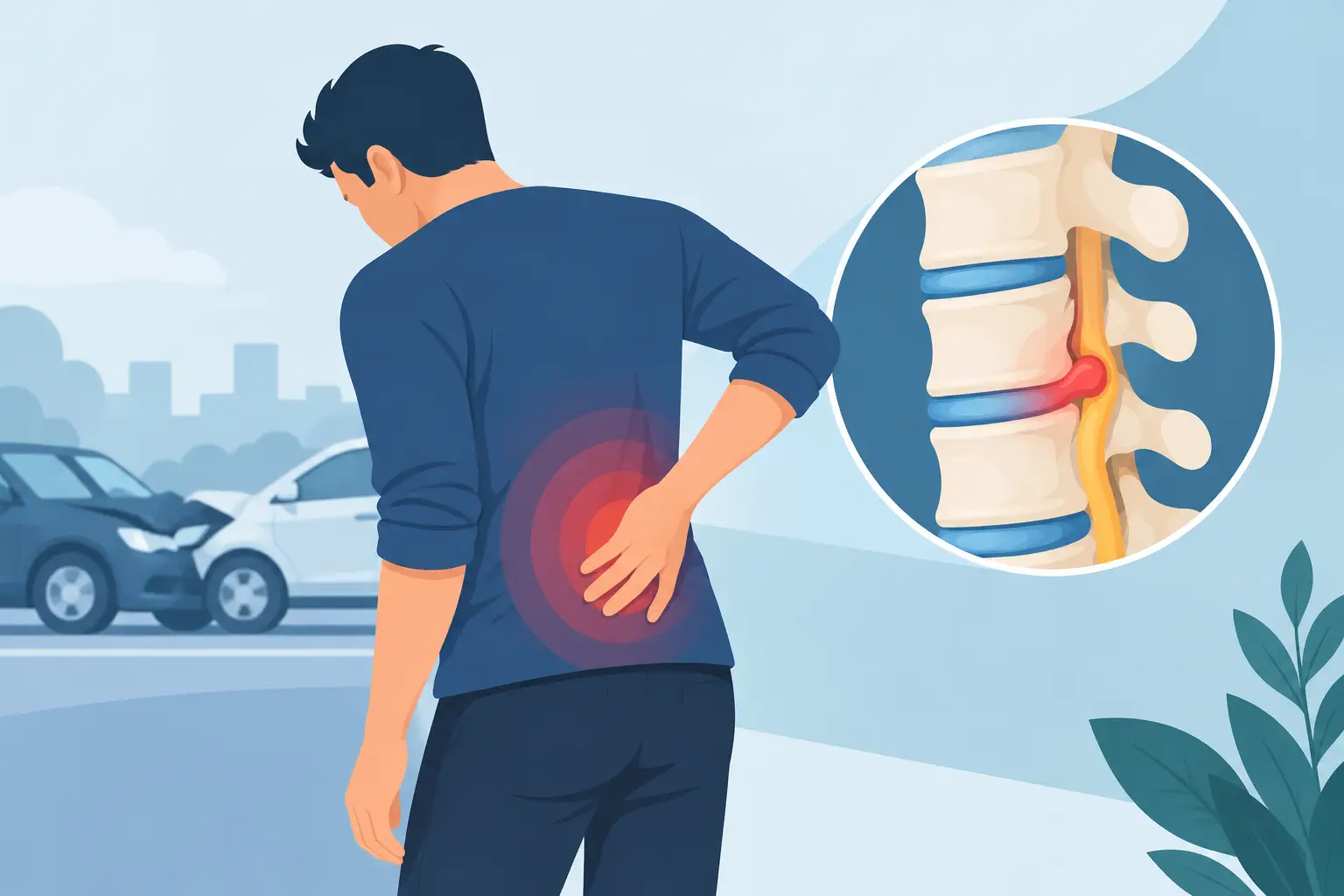
A low-speed crash can still leave you with a painful, stiff neck the next morning. Whiplash symptoms often take hours or days to fully appear, which can make people question whether their discomfort is serious or whether it will simply pass. So, can chiropractic help whiplash injury recovery? For many people, it can be a useful part of a non-surgical care plan designed to reduce pain, restore mobility, and help the body recover after an accident.
The right first step is a thorough evaluation. Whiplash is not just a sore neck. It can involve strained muscles, irritated joints, restricted movement, headaches, and sometimes symptoms that need prompt medical attention. A personalized plan should account for your symptoms, exam findings, medical history, and the details of the accident.
What Whiplash Does to the Neck and Body
Whiplash occurs when the head is forcefully thrown backward and forward, or side to side. This rapid motion can strain the muscles, tendons, and ligaments that support the cervical spine. Rear-end collisions are a common cause, but whiplash can also happen in side-impact accidents, falls, sports injuries, or other sudden-impact events.
Pain may be centered in the neck, but the effects can extend beyond it. Many patients experience shoulder or upper-back tightness, limited ability to turn their head, headaches that begin near the base of the skull, or fatigue from trying to work and sleep through constant discomfort. Some also report arm pain, tingling, numbness, dizziness, or changes in concentration.
Every injury is different. A person may walk away from an accident feeling shaken but functional, then wake up unable to look over their shoulder or sit comfortably at a desk. Delayed symptoms do not mean the injury is insignificant. They are one reason early documentation and evaluation can matter for both recovery and an injury claim.
Can Chiropractic Help Whiplash Injury Symptoms?
Chiropractic care may help people with uncomplicated whiplash-related neck pain and movement restrictions by addressing the musculoskeletal effects of the injury. The goal is not to force a quick fix. It is to carefully improve how the neck, upper back, and surrounding muscles move and tolerate daily activity.
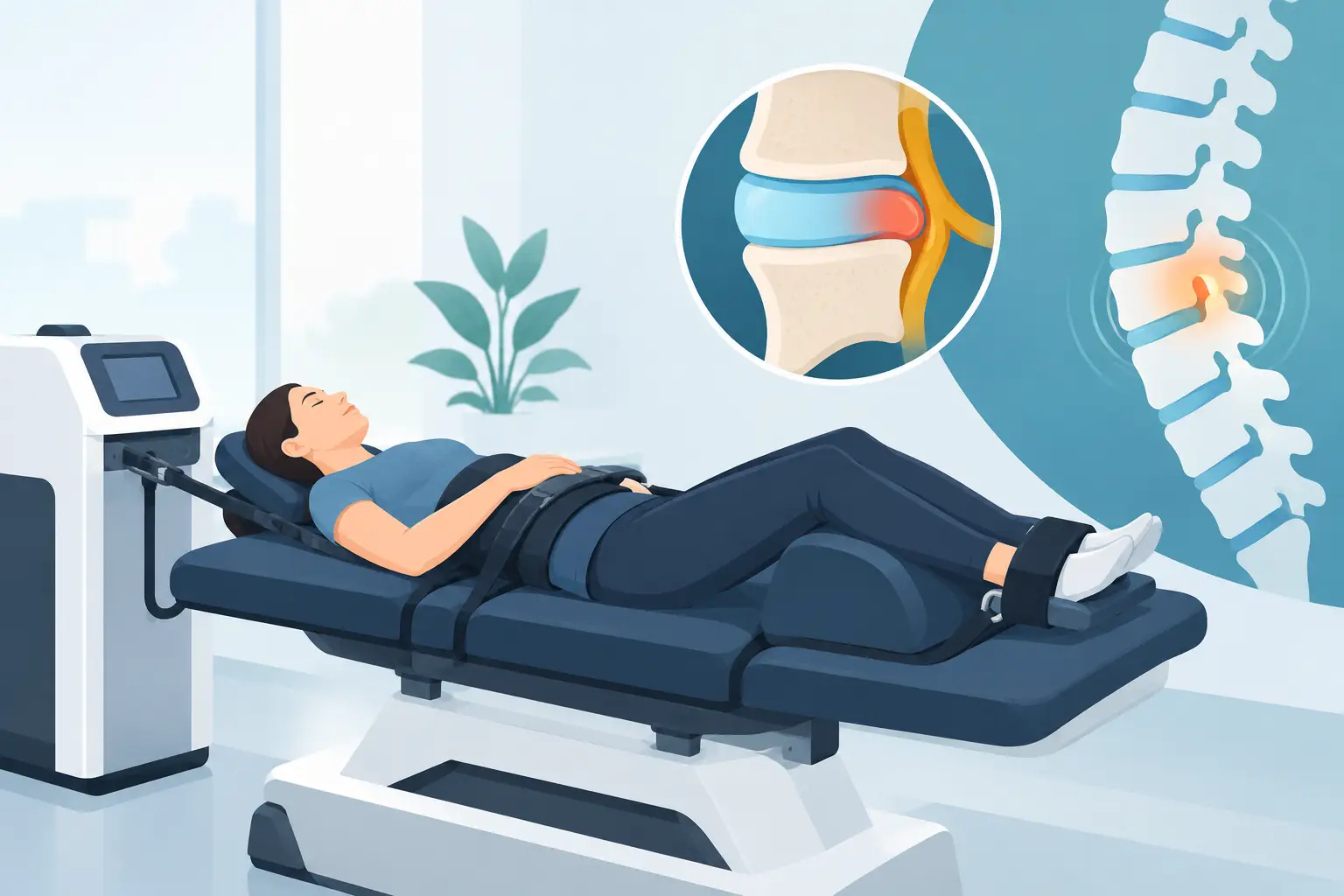
Following an examination, a chiropractor may use gentle adjustments or mobilization techniques to address restricted spinal joints. When appropriate, this care may help improve range of motion and reduce the mechanical stress that keeps the neck feeling stiff or guarded. Treatment can also include soft-tissue work, trigger point therapy, intersegmental traction, and therapeutic modalities intended to ease muscle tension and support circulation.
At Westside Spine & Injury, treatment plans are individualized rather than built around a one-size-fits-all schedule. Some patients need a conservative approach focused on calming painful muscle spasms before progressing to mobility work. Others may benefit from care that addresses both neck restrictions and the upper-back or shoulder tension that developed after the collision.
Chiropractic care is often most helpful when it is part of an organized recovery plan. That may include activity guidance, home exercises, posture recommendations, and ongoing reassessment as symptoms change. The best plan is based on function, not just pain levels: turning your head while driving, sleeping without frequent waking, working at a computer, lifting a child, or returning to exercise safely.
A Whiplash Evaluation Should Come Before Treatment
Not every neck injury should be treated the same way, and not every person is a candidate for chiropractic adjustment immediately. A careful evaluation helps identify whether conservative chiropractic care is appropriate and whether referral or additional imaging may be needed.
Your provider should ask about the crash, the direction of impact, when symptoms began, and whether you had prior neck injuries or conditions. The examination may assess posture, cervical range of motion, muscle tenderness, joint function, strength, reflexes, and sensation in the arms and hands.
Certain symptoms deserve urgent medical attention. Seek emergency care after an accident if you have severe or worsening headache, loss of consciousness, confusion, trouble speaking, new weakness, loss of coordination, chest pain, significant shortness of breath, or bowel or bladder changes. Persistent numbness, radiating pain, or weakness in an arm also requires timely medical evaluation.
This is not about causing alarm. It is about protecting your health by making sure the care plan matches the injury. A dependable clinic should recognize when hands-on treatment is appropriate and when another medical resource should be involved.
What a Personalized Whiplash Treatment Plan May Include
The early phase of care usually focuses on reducing irritation and helping the body move without provoking more pain. Gentle care may be paired with interferential electrical stimulation to help manage discomfort and muscle guarding. Cold or heat recommendations may be used depending on the stage of injury and your clinical presentation.
As acute pain begins to settle, treatment often shifts toward restoring motion and supporting the muscles that protect the neck and upper back. Controlled mobility work can help a patient gradually regain the ability to look up, down, and over each shoulder. Soft-tissue treatment may address trigger points in the upper trapezius, levator scapulae, and other muscles that commonly tighten after an accident.
Some patients also benefit from cervical decompression or traction-based care when clinically indicated. These therapies are not necessary for every whiplash case, and they should not be used as a substitute for a proper diagnosis. However, when chosen carefully, they may help relieve pressure and encourage more comfortable movement.
Recovery is rarely a straight line. You may feel better for several days, then notice a flare after a long commute, a demanding work shift, or poor sleep. This is why regular progress checks matter. Your treatment plan should adjust as your function improves, not continue on autopilot.
Timing Matters After a Car Accident
Waiting to see whether pain goes away can seem reasonable, especially when life feels busy after a collision. Yet early evaluation can make it easier to identify movement restrictions before compensations become more established. It also creates a clear clinical record of your reported symptoms, examination findings, and treatment needs.
For personal injury patients, that documentation has practical value. Accident claims often require organized records showing how the injury affected daily life and what care was medically necessary. Consistent documentation can support communication among patients, attorneys, insurers, and healthcare providers without placing that administrative burden entirely on the injured person.
If you are using a Letter of Protection or working with an attorney, ask the clinic how it handles records, billing communication, and updates. A care team that understands personal injury cases can help keep treatment and case documentation organized while you focus on healing. Transportation assistance and bilingual support can also make it easier to attend appointments consistently when a damaged vehicle, pain, or language barriers create added stress.
What You Can Do Between Appointments
The advice you receive should be specific to your injury, but a few habits commonly support recovery. Avoid repeatedly testing painful motions or pushing through sharp pain. Instead, follow the activity guidance provided by your clinician and use gentle, prescribed movements as tolerated.
Pay attention to the positions that increase symptoms. Long periods looking down at a phone, sleeping with the neck twisted, or working without breaks can aggravate an already irritated area. Small adjustments to your workspace, driving position, and pillow setup may reduce unnecessary strain while the neck heals.
Keep a simple record of symptoms as well. Note headaches, sleep interruption, pain with driving, arm symptoms, and activities you cannot complete normally. These details help your provider understand patterns in your recovery and may be useful if you are navigating an insurance or personal injury claim.
Recovery Should Support Your Real Life
Whiplash care should be measured by more than whether your neck feels temporarily looser after an appointment. Meaningful progress looks like safer, easier movement and a return to the responsibilities that matter to you. That may mean checking traffic without pain, completing a workday, picking up groceries, playing with your children, or sleeping through the night.
If neck pain, headaches, stiffness, or restricted movement started after an accident, do not dismiss the symptoms simply because the crash seemed minor. A timely evaluation can provide answers, a personalized path forward, and the documentation needed to keep your recovery organized. Focus on healing with care that meets you where you are and helps you move forward with confidence.