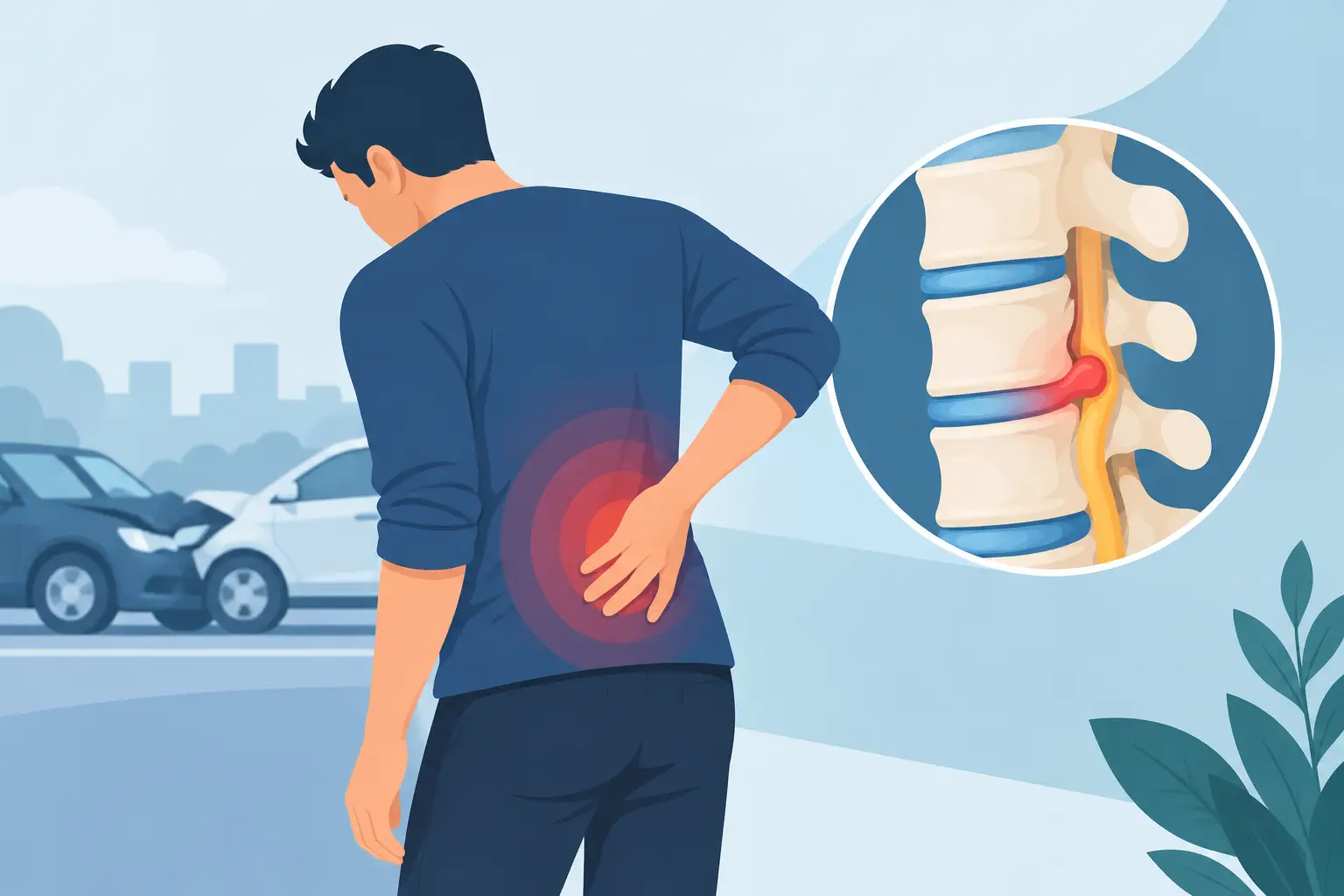
A car accident can turn an ordinary drive into a painful, confusing day. The search for a same day chiropractor after accident care often starts before symptoms have fully appeared: your neck feels tight, your back is stiff, you have a headache, or you simply do not feel like yourself. Prompt evaluation can help you understand what happened, begin appropriate non-surgical care, and create a clear record of your injuries from the start.
At the same time, not every crash-related symptom belongs in a chiropractic office first. Knowing when to seek emergency care, when to schedule a same-day evaluation, and what to expect at your appointment can help you make a confident decision.
Start With Safety After a Collision
If you have severe pain, loss of consciousness, confusion, vomiting, chest pain, shortness of breath, uncontrolled bleeding, a suspected fracture, or new weakness or numbness that is worsening, seek emergency medical care right away. These symptoms may require imaging, medical stabilization, or hospital-based treatment before any other type of care.
For many people, however, the first hours after a collision bring less obvious symptoms. You may be able to walk away from the scene but notice that turning your head is difficult, sitting becomes uncomfortable, or your low back starts aching later that evening. Adrenaline can temporarily mask pain. A low-speed accident can still strain muscles, ligaments, joints, and discs, especially when the body is jolted unexpectedly.
A same-day chiropractic evaluation can be a practical next step when you are stable but experiencing neck pain, back pain, stiffness, headaches, shoulder pain, reduced range of motion, muscle spasms, or radiating discomfort after an accident. Early attention is not about assuming the worst. It is about documenting your condition, identifying limitations, and giving your body an organized path toward recovery.
When to See a Same Day Chiropractor After an Accident
You do not need to wait until pain becomes severe to be evaluated. In fact, waiting can make it harder to connect symptoms to the accident and may allow guarding, inflammation, and restricted movement to become more established.
Whiplash is a common example. The rapid forward-and-back motion of a crash can irritate soft tissues in the neck and upper back. Symptoms may include neck stiffness, headaches, jaw tension, shoulder pain, dizziness, or difficulty concentrating. Some symptoms begin immediately, while others appear over the next 24 to 72 hours.
Low-back injuries can also develop gradually. A collision may aggravate spinal joints, muscles, or an existing disc condition. You may feel soreness at first, then notice pain with bending, sitting, standing from a chair, or getting in and out of your vehicle. Pain that travels into the hip, leg, arm, or hand deserves prompt professional attention, particularly if it comes with tingling or numbness.
A timely visit also gives you a baseline. Your provider can record your pain level, affected areas, range-of-motion limits, neurological symptoms, and how the injury interferes with work, sleep, driving, and family responsibilities. That record can be valuable for your treatment plan and, when applicable, a personal injury claim.
What Happens at the First Appointment
A quality accident evaluation should not begin with a one-size-fits-all adjustment. It should begin with listening. Your provider will ask about the collision, including where you were seated, the direction of impact, whether airbags deployed, and what symptoms you noticed at the scene and afterward.
The clinical exam may include posture assessment, movement testing, palpation of painful tissues, and appropriate orthopedic or neurological testing. The goal is to identify which areas are irritated, how your function has changed, and whether your symptoms suggest the need for referral or additional imaging.
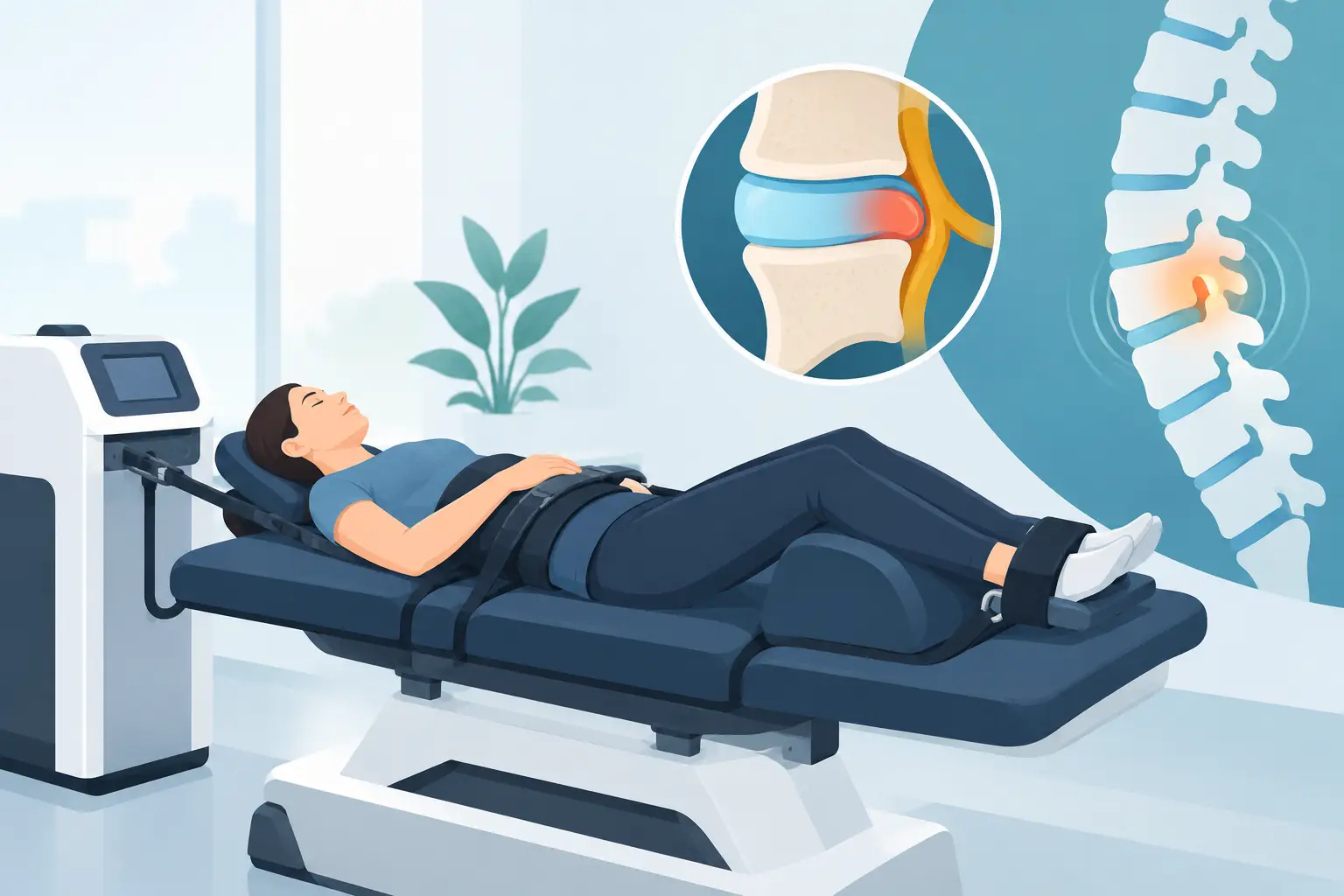
From there, your care plan should reflect your condition and your tolerance that day. Immediately after an accident, some patients need a gentle approach focused on reducing inflammation, relieving muscle tension, and restoring comfortable movement. Depending on the findings, care may include gentle chiropractic adjustments, trigger point therapy, interferential electrical stimulation, intersegmental traction, or other therapies designed to improve circulation and ease muscle guarding.
As symptoms improve, treatment may shift toward restoring spinal mobility, strengthening supportive muscles, and helping you return safely to normal activities. Recovery is rarely identical from one patient to the next. The severity of the crash, pre-existing conditions, job demands, and how consistently you can follow your treatment plan all matter.
Why Prompt Documentation Matters
After an accident, your health comes first. But clear documentation also protects your ability to explain what you experienced and what care you needed. Insurance companies and attorneys often need organized records showing the timing of symptoms, exam findings, treatment recommendations, progress, and any ongoing limitations.
Delays do not automatically mean an injury is unrelated to a crash. Symptoms can take time to develop. Still, an unexplained gap between the accident and your first appointment may create unnecessary questions later. A same-day or next-day evaluation provides a clear starting point, even if your symptoms initially seem manageable.
Bring any available accident information to your appointment, such as a claim number, police report details, insurance information, and attorney contact information. If you do not have every document yet, do not delay necessary care. A well-organized injury clinic can help you understand what is needed and communicate with the appropriate parties as your case moves forward.
For patients working with an attorney, Letters of Protection may help make care accessible while a case is pending. This arrangement depends on the circumstances of the case and should be discussed with your attorney and provider. The right clinic should coordinate professionally, maintain detailed records, and keep treatment decisions focused on your actual clinical needs.
What to Do Before Your Appointment
After you have made sure there is no emergency, take a few simple steps to prepare. Write down where you hurt, when each symptom began, and what makes it worse or better. Note whether pain affects sleep, work, lifting, driving, walking, or caring for children. These details help your provider see the full impact of the injury.
Avoid trying to push through significant pain with strenuous exercise, heavy lifting, or aggressive stretching. Gentle movement may be appropriate for some people, but the right approach depends on the injury. Do not let a temporary reduction in pain convince you that you are fully recovered. Accident injuries can fluctuate, particularly during the first few days.
It is also wise to follow through with any instructions from emergency providers or your primary care physician. Chiropractic care can be part of a coordinated recovery plan, but it should complement necessary medical evaluation, not replace it.
Care That Supports Your Life Outside the Clinic
The point of accident treatment is not simply to feel better on the table. It is to help you turn your head while driving, sit through work without escalating pain, sleep more comfortably, pick up your child, and move through daily life with greater confidence.
That requires more than an isolated visit. A personalized plan should establish realistic goals, monitor your progress, and adapt when symptoms change. Some patients feel meaningful relief quickly; others need more time, especially after a significant collision or when an accident aggravates an older injury.
At Westside Spine & Injury, patients can receive non-surgical accident care alongside practical case-management support, including help with documentation, insurance communication, attorney coordination, and transportation when available. Bilingual service and same-day availability can remove barriers at a time when every errand may feel more difficult.
Pain after an accident is not something you have to sort out alone. If you are stable but sore, stiff, or worried about symptoms that have started after a crash, scheduling a prompt evaluation can give you a clearer next step and let you focus on healing.