A headache that starts after a car accident can make every part of the day harder – driving, working at a screen, sleeping, and keeping up with family responsibilities. Chiropractic treatment for post accident headaches may help when the pain is connected to whiplash, neck strain, restricted joint movement, or muscle tension. The first step, however, is understanding what is causing the headache and making sure there are no signs of a more serious injury.
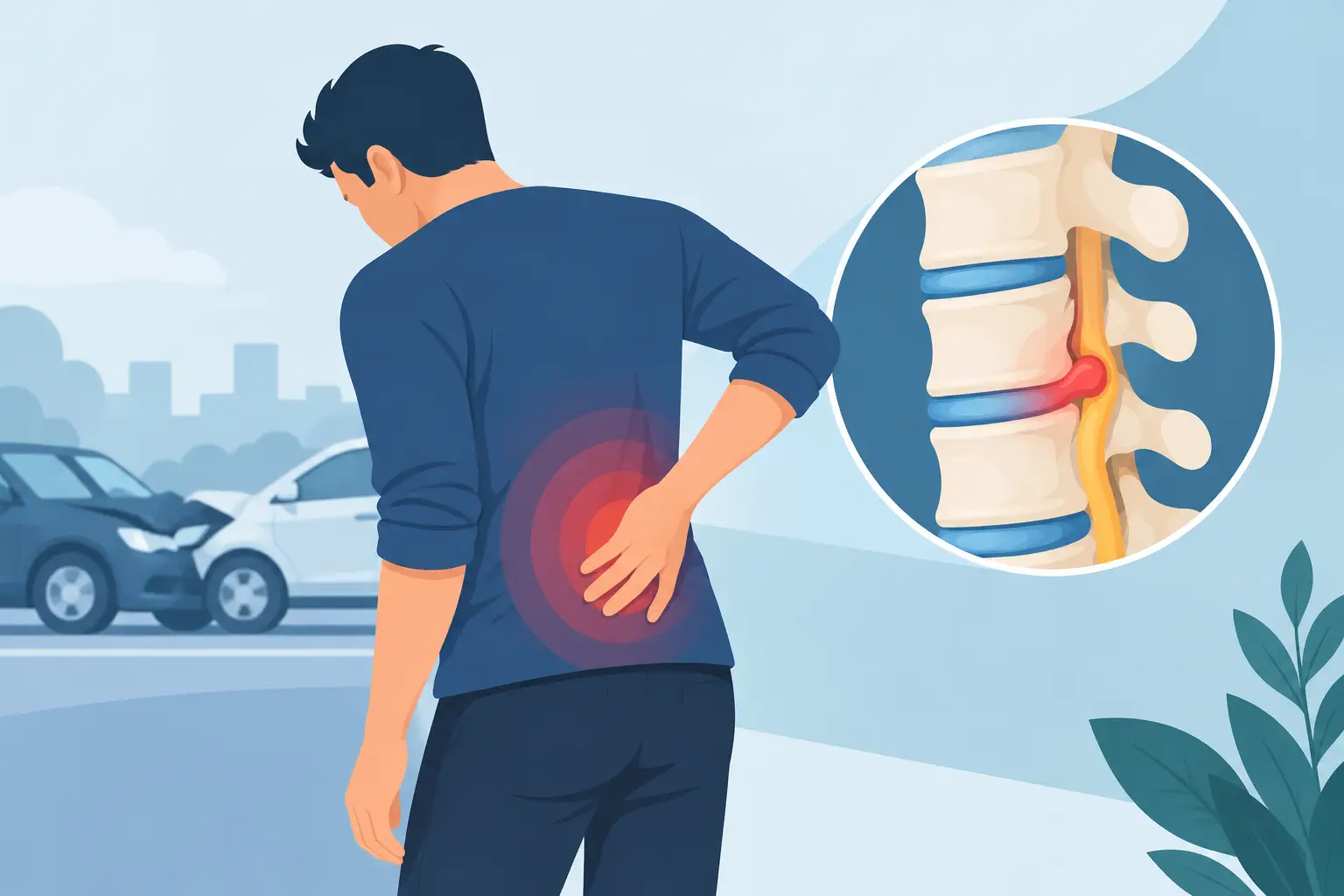
A collision does not have to feel severe to affect the neck and upper back. In a rear-end impact especially, the head can move rapidly forward and backward while the muscles, ligaments, joints, and nerves in the cervical spine absorb the force. Pain may appear immediately, but it can also develop over the next several hours or days as inflammation and muscle guarding increase.
Why headaches can follow an accident
Many post-accident headaches are related to a cervical injury, commonly called whiplash. The neck is closely connected to the head through muscles, joints, and nerve pathways. When those structures are irritated, pain can travel upward from the base of the skull and settle behind the eyes, across the temples, or along one side of the head.
A cervicogenic headache is one example. It begins with dysfunction in the neck but is felt in the head. People may notice that turning their head, looking down at a phone, sitting at a desk, or holding one position too long makes the headache worse. Stiffness, shoulder pain, reduced range of motion, and tenderness at the base of the skull often occur alongside it.
Muscle tension can also play a significant role. After an accident, the body may tighten protective muscles around the neck, shoulders, and upper back. Trigger points in these tissues can refer pain into the head. Poor sleep, stress about the accident, and altered posture while trying to avoid pain can prolong the cycle.
Not every headache after a crash has the same cause. A concussion, medication issue, dehydration, stress response, or unrelated migraine condition may need a different approach. That is why a careful evaluation matters more than simply trying to push through the symptoms.
When a post-accident headache needs urgent care
Seek emergency medical attention promptly if a headache is sudden and severe, is rapidly worsening, or follows a direct head impact. Other warning signs include loss of consciousness, confusion, repeated vomiting, fainting, seizures, slurred speech, new weakness or numbness, unequal pupils, worsening balance problems, vision changes, or fluid or blood from the ears or nose.
These symptoms can point to a concussion or a more serious neurological injury. Chiropractic care is not a substitute for emergency evaluation. Patients who have already been assessed medically may still benefit from conservative care for neck-related pain and headaches, depending on their diagnosis and overall condition.
What chiropractic treatment for post accident headaches involves
A productive recovery plan starts with more than an adjustment. At Westside Spine & Injury, the evaluation focuses on how the accident affected your neck, spine, muscles, movement, and daily function. Your provider reviews the crash details, symptom pattern, prior health history, and any imaging or medical findings that are already available.
The physical examination may include posture, cervical range of motion, muscle tenderness, joint mobility, strength, and neurological screening. This helps distinguish a likely neck-driven headache from symptoms that should be referred for additional medical assessment. It also creates a clear baseline for tracking progress over time.
If chiropractic care is appropriate, treatment is individualized. Some patients need gentle care first because the area is highly inflamed or movement is limited. Others may be ready for a broader plan that addresses spinal motion, soft-tissue tension, and rehabilitation needs. The goal is to reduce pain, restore mobility, and help the body move more normally without aggravating the injury.
Chiropractic adjustments and gentle joint care
When restricted motion in the cervical or upper thoracic spine contributes to symptoms, chiropractic adjustments or other manual techniques may be used to improve joint movement. Restoring appropriate motion can reduce mechanical stress on surrounding tissues and may lessen the neck pain that feeds a cervicogenic headache.
The approach should match the patient. A recent accident, advanced arthritis, osteoporosis, certain neurological findings, or a significant disc injury can change which techniques are suitable. Good care is never one-size-fits-all, and forceful treatment is not automatically the right answer for a fresh injury.
Therapies that address muscle tension and inflammation
Headaches often persist because injured muscles remain guarded. Trigger point therapy may help release painful knots in the neck, shoulders, and upper back that refer discomfort into the head. Interferential electrical stimulation can be used to support pain control and muscle relaxation, while intersegmental traction may encourage comfortable spinal movement and circulation.
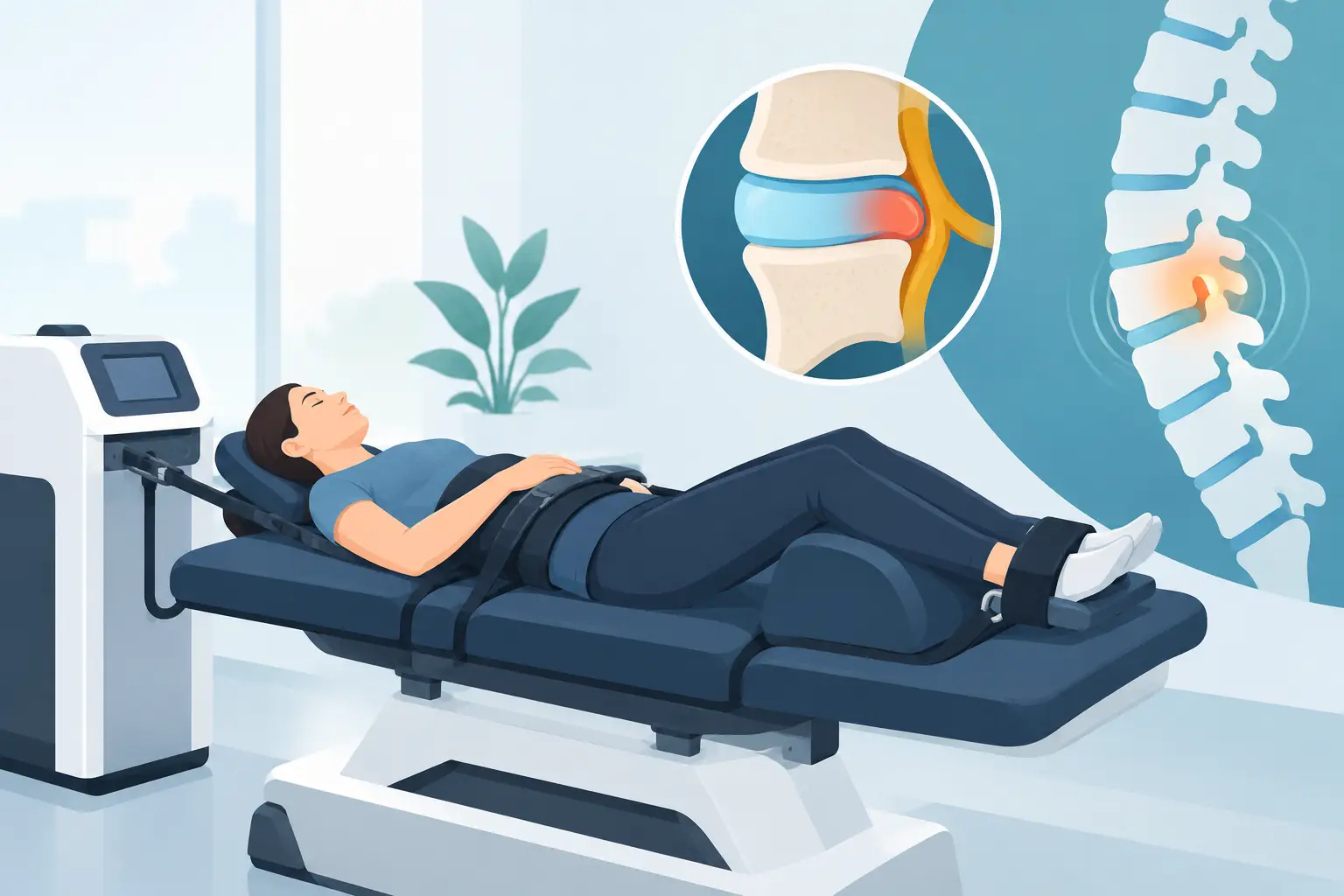
For some patients, cervical decompression or other advanced recovery therapies may be considered when clinical findings support them. These options are selected based on the source of pain, tolerance, and recovery goals – not simply because an accident occurred.
Movement and daily-life guidance
A treatment plan should also prepare you for the positions that trigger symptoms outside the clinic. Small changes can matter: adjusting screen height, taking brief movement breaks, avoiding prolonged phone use with the head bent down, and using a supportive sleep position may reduce strain on healing tissues.
Your provider may recommend controlled exercises as pain allows to rebuild range of motion and support the neck. Rest has a role in the early phase, but complete inactivity for too long can increase stiffness and deconditioning. The right pace depends on your symptoms and diagnosis.
What recovery can look like
Some people experience improvement quickly once muscle spasm and restricted motion begin to ease. Others need several weeks of consistent treatment, especially when headaches occur with significant whiplash, disc-related symptoms, or widespread upper-back tension. Recovery is not always linear. A long workday, poor sleep, stress, or a sudden awkward movement can temporarily flare symptoms.
Rather than judging progress by one headache-free day, look for meaningful functional changes. You may be able to turn your head more comfortably while driving, spend longer at a computer, sleep with fewer interruptions, or rely less on pain medication. Regular reassessment helps the care plan respond to those changes.
It is also helpful to document symptoms honestly. Keep track of when headaches occur, how long they last, what makes them worse, and whether you have associated nausea, dizziness, light sensitivity, neck pain, or numbness. This information supports clinical decision-making and, for personal injury patients, helps create accurate treatment records.
Why timely evaluation matters after a crash
Waiting for pain to become unbearable can make recovery more complicated. Early evaluation allows a provider to identify movement restrictions, muscle injury, and warning signs before you fall into habits that protect pain in the short term but limit recovery over time. It also establishes clear documentation of accident-related symptoms and the care you receive.
For patients handling a personal injury claim, organized records are part of practical support. A clinic experienced with accident recovery can coordinate documentation, work with attorneys and insurance representatives when appropriate, and help patients understand the treatment plan without adding administrative stress. Transportation assistance and bilingual service can also make it easier to stay consistent with care.
Choosing care that fits your symptoms
A headache after an accident deserves more than a generic pain-management plan. Ask whether the provider will perform a thorough assessment, screen for conditions that require medical referral, explain the proposed treatment, and monitor progress. You should understand what your plan is designed to address and what signs would require a different level of care.
If your headache began after a crash and is accompanied by neck stiffness, shoulder tension, or reduced mobility, a timely evaluation can provide clarity and a structured path forward. The focus should remain on safe healing, restored function, and the confidence to return to the routines that matter to you.