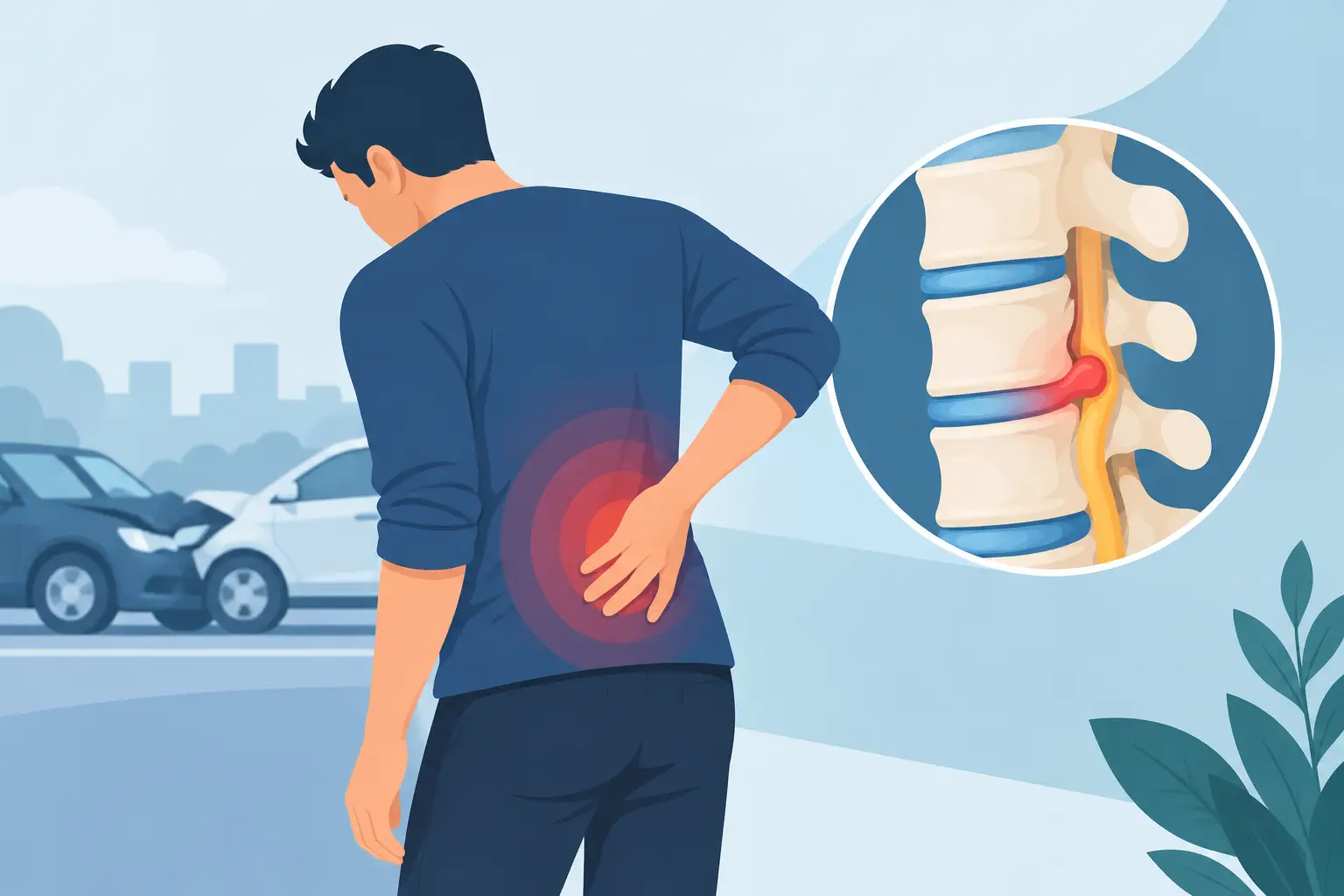
A crash can be over in seconds, but the soreness, stiffness, headaches, and limited movement may take much longer to resolve. If you are asking how long chiropractic after car accident treatment should last, the honest answer is that it depends on your injuries, how quickly you begin care, and how your body responds over time. A treatment plan should never be based on a one-size-fits-all number of visits. It should be based on a careful evaluation and measurable progress toward feeling and moving better.
For some patients, chiropractic care after a collision may last several weeks. For others with significant whiplash, disc-related pain, nerve symptoms, or multiple injuries, structured care can continue for several months. The goal is to reduce pain, restore mobility, support healing, and help you return safely to work, family responsibilities, and everyday activity.
How Long Does Chiropractic Care After a Car Accident Last?
A mild injury may improve with a short course of care, often involving consistent visits during the first few weeks followed by a gradual reduction as symptoms stabilize. More complex injuries may require a longer plan with regular reassessments. There is no benefit to guessing your recovery timeline before a provider understands what is happening in your neck, back, joints, muscles, and nervous system.
In the early phase after an accident, care often focuses on controlling inflammation, easing muscle guarding, and restoring comfortable motion. As acute pain improves, treatment may shift toward improving spinal mechanics, reducing lingering soft-tissue tension, and helping you rebuild normal movement tolerance. The frequency of visits may decrease as you need less hands-on support and can comfortably manage more daily activity.
A reliable plan should be flexible. If you are progressing quickly, your provider can adjust care accordingly. If pain persists, new symptoms appear, or your function remains limited, your plan may need more time, different therapies, or coordination with another healthcare professional.
What Determines Your Treatment Timeline?
The severity and type of injury are major factors. Whiplash can range from temporary neck soreness to a more disruptive injury involving headaches, reduced range of motion, shoulder pain, dizziness, or radiating symptoms. Low-back pain after a crash can involve strained muscles and ligaments, irritated joints, disc injuries, or sciatica-like symptoms. Each condition responds differently.
The force and direction of impact also matter. Even a low-speed collision can place the neck and back under sudden stress, particularly when a person is not expecting the impact. Adrenaline can mask pain immediately after the crash, which is why some people feel worse the next day or several days later.
Your health history influences recovery as well. Prior neck or back injuries, arthritis, disc conditions, physically demanding work, and chronic pain can affect how quickly your body responds. That does not mean relief is out of reach. It means your plan should account for your starting point rather than comparing your recovery to someone else’s.
Consistency is another important part of the equation. Missing recommended appointments or returning too quickly to heavy lifting, strenuous exercise, or repetitive work can make symptoms harder to calm down. Following the plan, reporting changes honestly, and completing recommended home instructions can help protect your progress.
Why Early Evaluation Matters
Seeking an evaluation soon after an auto accident gives you a clearer picture of your condition before symptoms become more entrenched. Early care can help identify restricted motion, muscle spasms, joint irritation, and other problems that may not be obvious at the scene of the crash.
It also creates a record of your symptoms, examination findings, diagnosis, and treatment recommendations. For a personal injury claim, timely and detailed documentation can be valuable. It connects your care to the accident and shows how the injury has affected your daily function over time.
Do not assume that pain will simply disappear because it seems manageable at first. Stiffness, headaches, neck pain, and low-back discomfort can interfere with sleep, concentration, driving, and work long before they become severe. Addressing the problem early may help you avoid compensating with poor movement patterns that place stress on other areas of the body.
What Care May Include During Recovery
Chiropractic adjustments may be used to improve joint motion and reduce mechanical restrictions in the spine and extremities. Depending on your examination, treatment may also include therapies designed to calm irritated tissues, improve circulation, reduce muscle tension, and support mobility.
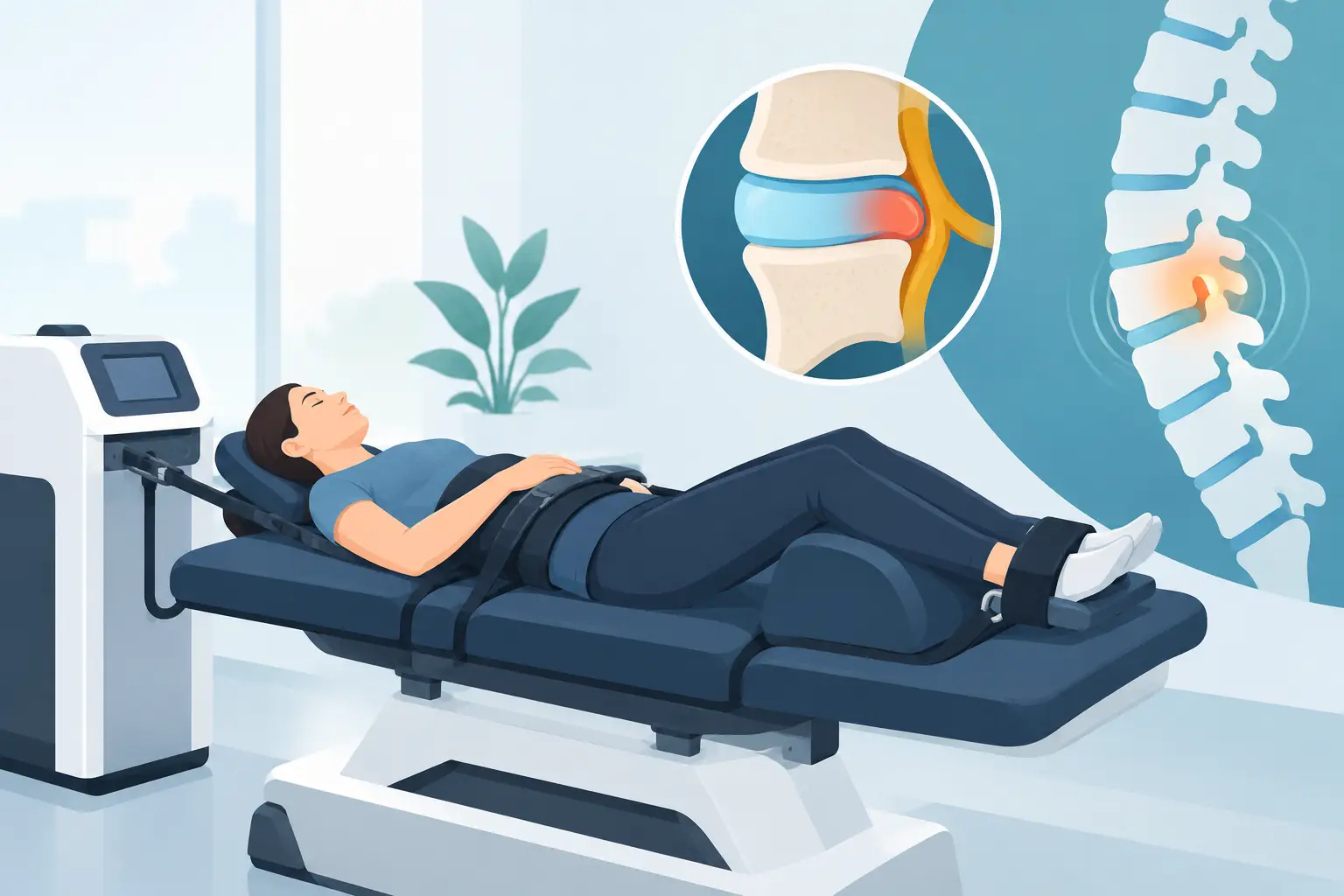
At Westside Spine & Injury, an individualized plan may include chiropractic care alongside spinal or cervical decompression, intersegmental traction, interferential electrical stimulation, trigger point therapy, and advanced recovery therapies. These services are selected based on your needs, not added automatically. A patient with acute whiplash may need a different approach than someone whose main concern is low-back pain with leg numbness.
As you improve, your provider should continue checking your range of motion, pain levels, strength, daily activity tolerance, and response to treatment. Progress is more meaningful than a calendar date alone. Being able to turn your head while driving, sleep more comfortably, sit through work, lift safely, or return to exercise are practical signs that recovery is moving in the right direction.
When Longer Care May Be Appropriate
Longer chiropractic care after a car accident may be appropriate when there are ongoing functional limitations, persistent pain, neurological symptoms, or a documented injury that requires continued conservative management. Some people feel better quickly but still have limited mobility or recurring pain when they resume normal routines. Ending care too early can leave those underlying limitations unaddressed.
A longer plan should still include regular reassessment. You deserve to know why care is continuing, what goals remain, and what changes should indicate that treatment can be reduced or completed. Clear communication helps you stay confident in the process.
If another provider recommends imaging, medication, a specialist consultation, or emergency evaluation, that recommendation should be taken seriously. Chiropractic care can be an effective non-surgical part of accident recovery, but the right care is always the care that matches your condition.
Symptoms That Need Prompt Medical Attention
Most accident-related muscle and joint injuries can be evaluated in a chiropractic setting, but certain symptoms should never be ignored. Seek urgent medical attention for severe or worsening headache, loss of consciousness, confusion, chest pain, trouble breathing, severe abdominal pain, sudden weakness, loss of bowel or bladder control, numbness in the groin area, or rapidly increasing numbness or weakness in an arm or leg.
These symptoms may signal a condition that needs emergency assessment. If you are unsure where to start, it is better to seek prompt medical guidance than to wait and hope the problem settles on its own.
How Treatment Documentation Supports Your Claim
After an accident, recovery is not only physical. Insurance calls, attorney requests, missed work, transportation challenges, and paperwork can create stress when you should be able to focus on healing. Organized clinical records help show the course of your injury, the care provided, your response to treatment, and any remaining limitations.
For patients working with a personal injury attorney, coordinated documentation can make the process more manageable. A clinic that works with attorneys, insurance companies, and Letters of Protection can help keep treatment records organized while you focus on attending appointments and getting better. This administrative support does not replace clinical care, but it can remove unnecessary barriers to receiving it.
Focus on Progress, Not a Predetermined Number of Visits
The right answer to how long chiropractic care after a car accident lasts is not a fixed number of weeks. It is the amount of time needed to make meaningful, documented progress toward less pain, better mobility, and a safer return to normal life. Your treatment should begin with a thorough evaluation, follow a personalized plan, and change as your body heals.
If a collision has left you dealing with neck pain, back pain, headaches, stiffness, or restricted movement, do not wait for those symptoms to control your routine. A timely evaluation can give you clear next steps, organized support, and a recovery plan built around your specific needs.