A collision can leave you feeling shaken, sore, and uncertain about what to do next, even when the vehicle damage looks minor. An auto accident injury chiropractic clinic provides a focused place to assess musculoskeletal injuries, begin non-surgical care, and document your recovery from the start. For many patients, getting evaluated promptly is not just about pain relief. It is about protecting mobility, identifying injuries that may worsen over time, and creating an organized plan for healing.
Why Pain Can Show Up Days After a Crash
Auto accident injuries do not always announce themselves at the scene. During an impact, adrenaline can temporarily mask pain. In the following hours or days, inflammation, muscle guarding, stiffness, headaches, and limited movement may become more noticeable.
Whiplash is one of the most common examples. The rapid back-and-forth motion of the head and neck can strain muscles, ligaments, and joints, even without a direct blow to the head. Symptoms may include neck pain, shoulder tightness, headaches, dizziness, reduced range of motion, or pain that travels into the arms.
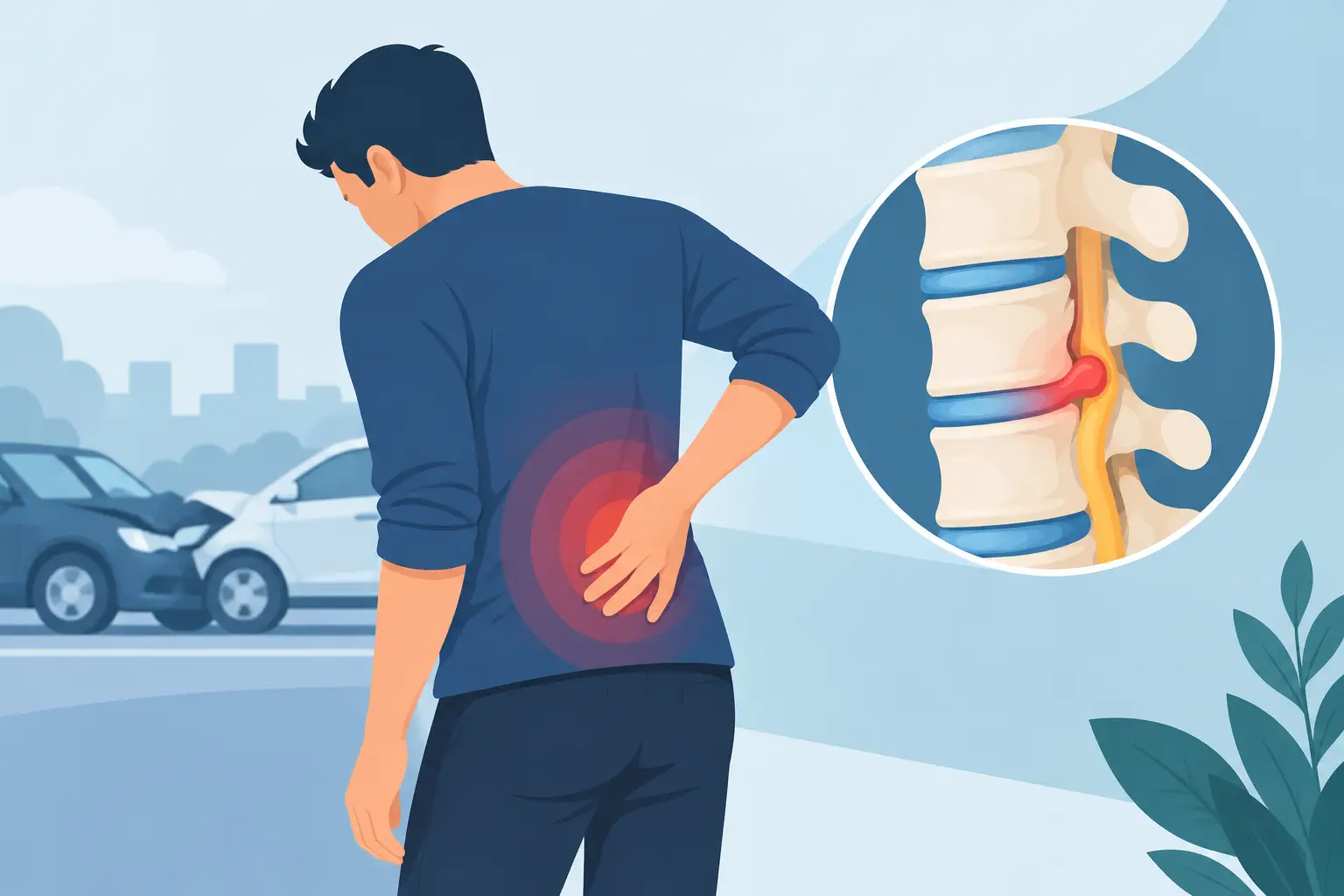
Back pain can also develop after a crash as the spine and surrounding soft tissues absorb force. Some people experience spasms, sciatica-like symptoms, numbness, tingling, or discomfort when sitting, bending, lifting, or sleeping. These symptoms deserve a professional evaluation, particularly when they interfere with work, driving, family responsibilities, or normal movement.
Emergency symptoms require immediate medical attention. Seek urgent care for severe or worsening headache, loss of consciousness, chest pain, trouble breathing, new weakness, loss of bowel or bladder control, significant abdominal pain, or other serious concerns. Chiropractic care can be an appropriate part of recovery for many injuries, but it should follow the right level of medical evaluation for your symptoms.
What an Auto Accident Injury Chiropractic Clinic Does
An accident-focused chiropractic clinic looks beyond the spot that hurts most. The goal is to understand how the collision affected your spine, joints, muscles, and movement patterns, then build a treatment plan that supports recovery and function.
Your first visit should include a thorough conversation about the accident, your current symptoms, health history, and daily limitations. A clinical examination may assess posture, range of motion, muscle tension, joint function, tenderness, neurological symptoms, and areas of referred pain. When imaging or another medical referral is appropriate, the care team can help guide that next step.
From there, treatment is individualized. Not every patient needs the same therapies or the same visit frequency. A person with mild neck stiffness after a low-speed collision may need a different approach than someone dealing with radiating pain, disc-related symptoms, significant muscle tension, or restricted mobility.
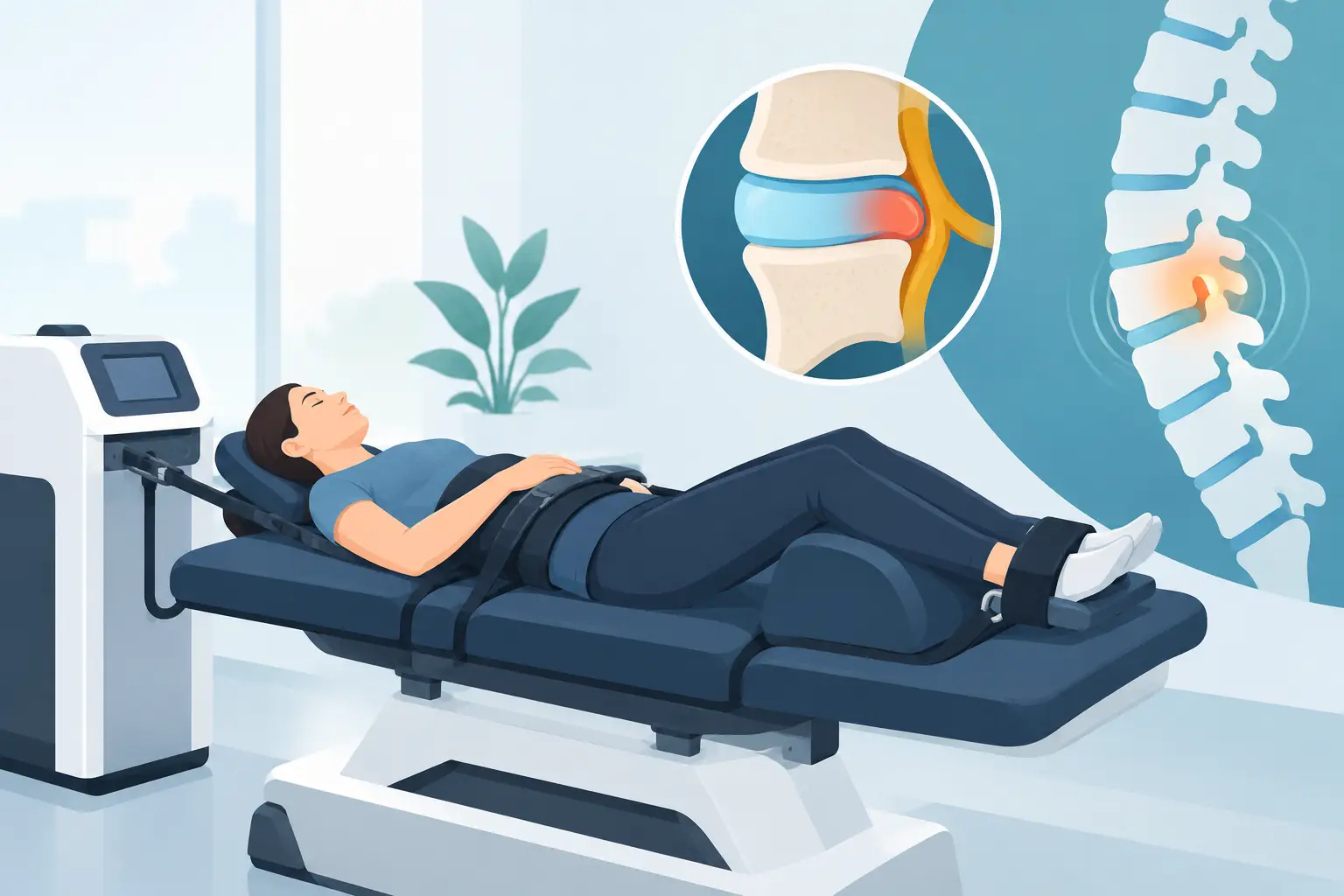
At Westside Spine & Injury, care may include chiropractic adjustments, therapeutic exercises, trigger point therapy, intersegmental traction, interferential electrical stimulation, spinal or cervical decompression, and other recovery therapies selected for the patient’s condition. These services are designed to reduce pain and inflammation, improve circulation, ease muscle tension, and restore healthier movement over time.
The Purpose of Early Evaluation
There is a practical reason to schedule an evaluation as soon as you can after an accident. Early care creates a baseline record of your symptoms and physical findings. It also gives you an opportunity to address inflammation and movement restrictions before compensation patterns place added stress on other areas of the body.
Waiting does not automatically mean you cannot receive care. Some injuries genuinely become apparent later. Still, a long gap between an accident and your first evaluation can make it harder to connect symptoms to the crash and may allow stiffness or altered movement to become more established.
Early treatment should not mean rushed treatment. Healing rates vary. Your care plan may change as pain improves, mobility returns, or symptoms reveal a need for a different clinical approach. The right plan is responsive to your progress, not based on a one-size-fits-all schedule.
Relief Matters, but Function Matters Too
Pain reduction is a meaningful goal, but recovery should also be measured by what you can do. Can you turn your head comfortably while driving? Sit through work without escalating back pain? Pick up your child, sleep through the night, or return to exercise safely?
A structured chiropractic plan should help connect treatment to these real-life milestones. That focus helps patients move from simply managing symptoms to rebuilding confidence in their bodies.
Treatment Documentation Can Support Your Injury Claim
After an auto accident, patients often face two parallel problems: getting better and keeping the claim process organized. Medical records can play an important role in showing the timing of your symptoms, the care recommended, your response to treatment, and the functional impact of your injuries.
This is why an auto accident injury chiropractic clinic should be prepared to manage more than appointments. Clear documentation, consistent progress notes, treatment records, and communication with the appropriate parties can reduce avoidable stress while you focus on healing.
For patients working with a personal injury attorney, coordinated communication can help keep the case moving without requiring the patient to act as the go-between. Westside Spine & Injury works directly with attorneys and insurance companies, supports Letters of Protection, and helps organize the records needed throughout treatment. Transportation assistance and bilingual service can also make consistent care more accessible when pain, vehicle damage, or language barriers complicate the process.
A clinic should never promise the outcome of a legal claim. What it can do is provide timely, accurate clinical documentation and help ensure your treatment history is organized and available when needed.
What to Bring to Your First Appointment
Bring the information you have, but do not delay care because you do not have every document yet. Your driver’s license, insurance information, claim number if available, accident report, and attorney contact information can be helpful. If you have been seen in an emergency room, urgent care, or by another provider, bring any discharge papers, imaging reports, or treatment recommendations you received.
Just as important, come prepared to describe how you feel and what has changed since the accident. Mention headaches, sleep problems, anxiety while driving, numbness, dizziness, pain with movement, or tasks you can no longer do comfortably. Small details can help create a more complete clinical picture.
How to Know if Chiropractic Care Is the Right Next Step
Chiropractic care is often a strong option for accident-related neck pain, back pain, headaches, whiplash, joint restrictions, muscle tension, and certain nerve-related symptoms. It is especially useful for patients who want a non-surgical, personalized plan focused on mobility and pain reduction.
However, the right path depends on the injury. Fractures, severe neurological symptoms, concussion concerns, internal injuries, and other urgent conditions need immediate medical evaluation. Some patients may benefit from chiropractic care alongside primary care, physical therapy, pain management, imaging, or specialist treatment. Coordinated care is not a setback. It is how the treatment plan stays appropriate to your needs.
You should also expect open communication. A dependable clinic explains what it finds, what treatment may involve, what progress can reasonably look like, and when a referral is necessary. You deserve clear answers, not pressure.
Start Recovery With a Plan
The days after a crash can become crowded with calls, claim forms, vehicle repairs, and missed work. Your health should not become another detail that gets pushed aside. A timely evaluation gives you a documented starting point and a plan for reducing pain, restoring mobility, and following your recovery with care.
If an accident has left you stiff, sore, limited, or unsure of your next step, schedule an evaluation and let a coordinated care team handle the details with you. Recovery is easier to face when you have both a clinical plan and a dependable partner behind it.