A car accident can leave you managing pain, missed work, vehicle repairs, and calls from insurers before you have had time to understand what your body needs. When it is time to begin treatment, the choice between LOP versus health insurance can feel just as confusing. The right path depends on your coverage, the facts of your injury claim, your financial situation, and how quickly you need organized care.
For many accident patients, the priority is clear: reduce pain, restore mobility, and document the recovery process without creating another administrative burden. A Letter of Protection and health insurance can both help make treatment possible, but they work very differently.
LOP Versus Health Insurance: The Core Difference
Health insurance is a benefit plan that may pay for covered medical care according to its rules. Depending on your plan, you may have a deductible, copay, coinsurance, referral requirement, prior authorization requirement, or a limited network of providers. You generally remain responsible for the patient portion of the bill as treatment occurs.
A Letter of Protection, commonly called an LOP, is not health insurance. It is an agreement connected to a personal injury claim. In general, your attorney provides a letter to a treating provider confirming that payment for appropriate treatment will be addressed from the proceeds of a settlement or judgment, if there is a recovery. This allows the provider to defer payment while you receive care.
That distinction matters. Insurance is designed to process covered services under a policy. An LOP is a payment arrangement tied to the outcome of an injury case. It can help a patient access care when using health insurance is difficult, unavailable, or not the preferred option for the circumstances of the claim.
When Health Insurance May Make Sense
Using health insurance may be a practical choice when you have active coverage, your preferred provider is in-network, and your out-of-pocket costs are manageable. It can be especially useful if you need care unrelated to the accident or if there is no active personal injury claim.
There are also situations where insurance is the faster route for certain medical services. Emergency care, imaging, specialist consultations, and prescriptions may be handled through your existing plan, subject to its requirements. Your insurer may require you to follow a particular process, such as obtaining a referral from a primary care physician or receiving prior approval for specific services.
However, health insurance does not always eliminate accident-related billing questions. Your plan may ask whether another party could be responsible for your injuries. It may also seek reimbursement from a future settlement for payments it made, depending on the plan and applicable law. These issues are not a reason to delay care, but they are worth discussing with your attorney and insurance carrier so there are no surprises later.
High deductibles can create another obstacle. A patient may technically have coverage but still face substantial out-of-pocket costs before benefits begin paying. Network restrictions may also limit where the patient can receive chiropractic or rehabilitative care.
When an LOP May Be a Better Fit
An LOP can be helpful after an auto accident or other personal injury when you have an attorney, need treatment promptly, and do not want immediate out-of-pocket expenses to determine whether you can start recovery. It is often used by patients who are uninsured, underinsured, facing a high deductible, or seeking care outside their health plan’s network.
For an injury claim, consistent treatment records matter. A provider working under an LOP typically understands that care must be clinically appropriate, clearly documented, and coordinated with the broader case process. That does not mean treatment should be driven by a legal claim. Your treatment plan should always be based on your examination findings, symptoms, function, and response to care. It does mean that accurate records can help show what happened, how your injury affected daily life, and what care was medically necessary.
At Westside Spine & Injury, patients can receive a comprehensive evaluation and an individualized non-surgical plan for accident-related neck pain, back pain, headaches, whiplash, restricted movement, and nerve symptoms. The office can also coordinate with attorneys and insurance representatives, helping keep records and communication organized while patients focus on healing.
An LOP is not a guarantee that an insurer will settle a claim or that a settlement will cover every expense. It also does not remove the need to understand the financial agreement before treatment begins. Ask for a clear explanation of how charges are handled, what happens if the case does not resolve as expected, and whether you are responsible for any remaining balance.
Treatment Access Is Only One Part of the Decision
It is tempting to choose the option that seems easiest at the first appointment, but the better question is whether the arrangement supports consistent, appropriate care over time. Accident injuries do not always follow a simple timeline. Whiplash symptoms may worsen over the first few days. Muscle guarding, inflammation, headaches, radiating pain, and reduced range of motion can interfere with driving, sleep, work, and family responsibilities.
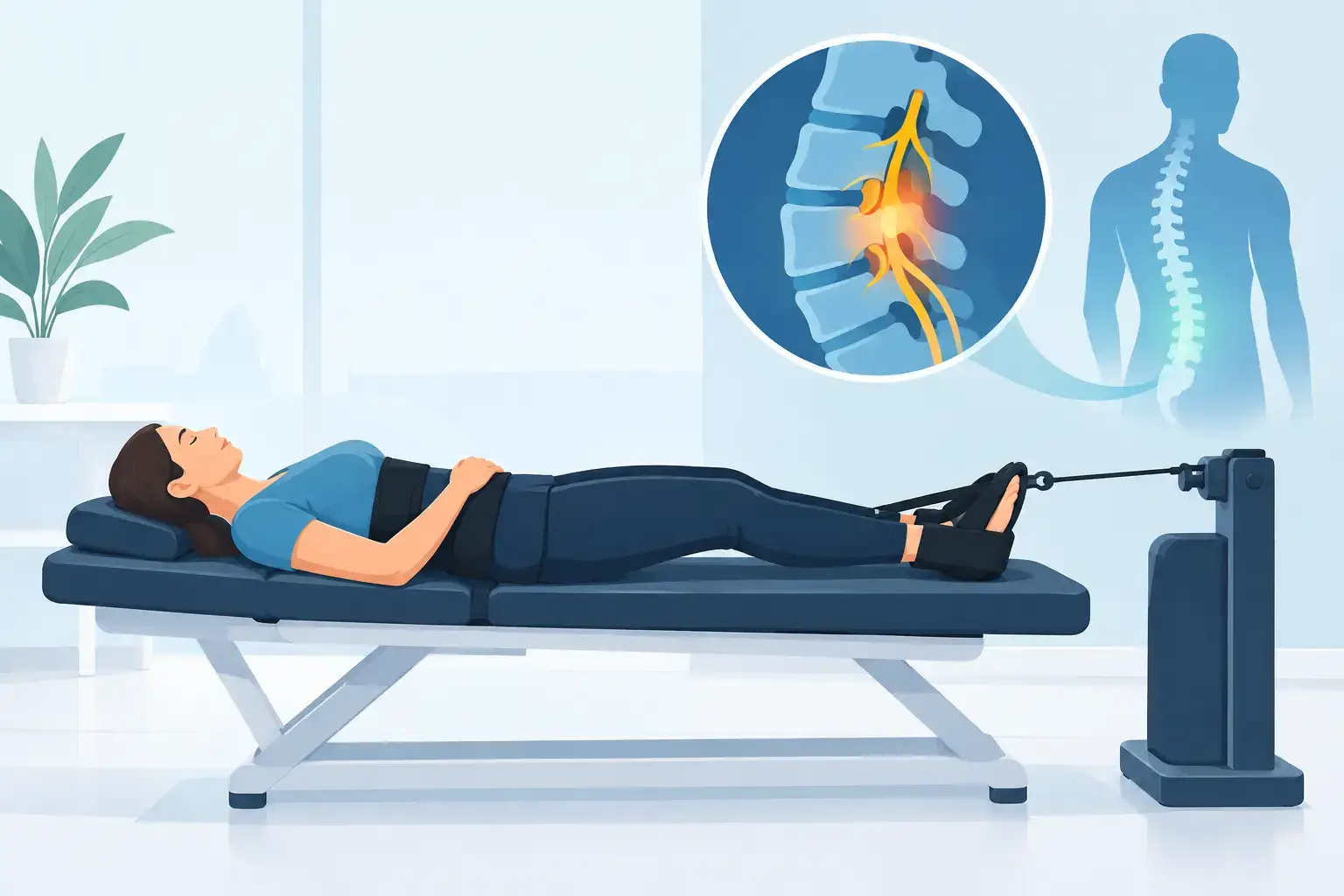
A complete evaluation helps determine whether conservative treatment may be appropriate and whether you need referral for additional medical assessment. Chiropractic adjustments, spinal or cervical decompression, intersegmental traction, electrical stimulation, and trigger point therapy may be used as part of a personalized plan when clinically indicated. The goal is not to rush through appointments. It is to support pain reduction, mobility, circulation, and functional recovery while monitoring your progress.
Whether you use insurance or an LOP, choose a provider who explains the care plan in plain language. You should understand what is being treated, why the recommended services may help, how often visits are expected, and how progress will be assessed.
Questions to Ask Before You Decide
Before selecting either route, get straightforward answers from the people involved in your care and claim. You do not need to become an insurance expert, but you do need enough information to make a confident choice.
Ask your health insurer whether accident-related chiropractic and rehabilitation services are covered, whether a deductible or copay applies, and whether there are network or authorization rules. If you are working with an attorney, ask how an LOP would work in your specific case, what obligations you would have, and how medical bills may be addressed if the claim is disputed or recovery is limited.
You should also ask the treating office whether it accepts your insurance or LOP, how billing communication will be managed, and what documentation will be available. If transportation, work schedules, or language access are barriers, bring those up early. Consistent care is easier when the practical details are addressed from the start.
Do Not Delay an Evaluation Because Billing Feels Unclear
Waiting for pain to become unbearable can make recovery more difficult. Early evaluation creates a baseline for your symptoms and function, helps identify appropriate next steps, and gives you a chance to ask questions before administrative details become more stressful.
The choice between LOP versus health insurance is not always either-or. Some patients use health coverage for certain services and an LOP arrangement for others, depending on their plan, provider availability, and attorney guidance. Others may have access to auto-related benefits, such as Medical Payments coverage, that should also be reviewed. Every policy and injury claim is different, so avoid assumptions based on someone else’s experience.
A good care team will not pressure you toward a billing method that you do not understand. They will explain the available options, coordinate with the appropriate parties, and keep the focus where it belongs: on your condition, your treatment plan, and your ability to return to daily life with more comfort and confidence.
If you are hurting after an accident, begin with a thorough evaluation and honest questions. Clear information about payment is valuable, but timely, appropriate care is what gives your recovery a place to start.