Sciatica can make ordinary movements feel uncertain. Getting out of the car, sitting through a workday, carrying groceries, or sleeping comfortably may trigger pain that starts in the low back and travels through the hip, leg, or foot. Fort Worth sciatica treatment should do more than temporarily cover up those symptoms. It should identify what may be irritating the nerve, reduce pain and inflammation, and help you move with greater confidence.
For some people, sciatica begins gradually after repetitive strain, a disc condition, or long periods of sitting. For others, it starts after an auto accident, when a sudden impact affects the spine, muscles, and soft tissues. The symptoms can look similar, but the care plan should reflect the person, the cause of the injury, and the way pain is affecting daily life.
What Sciatica Pain Can Feel Like
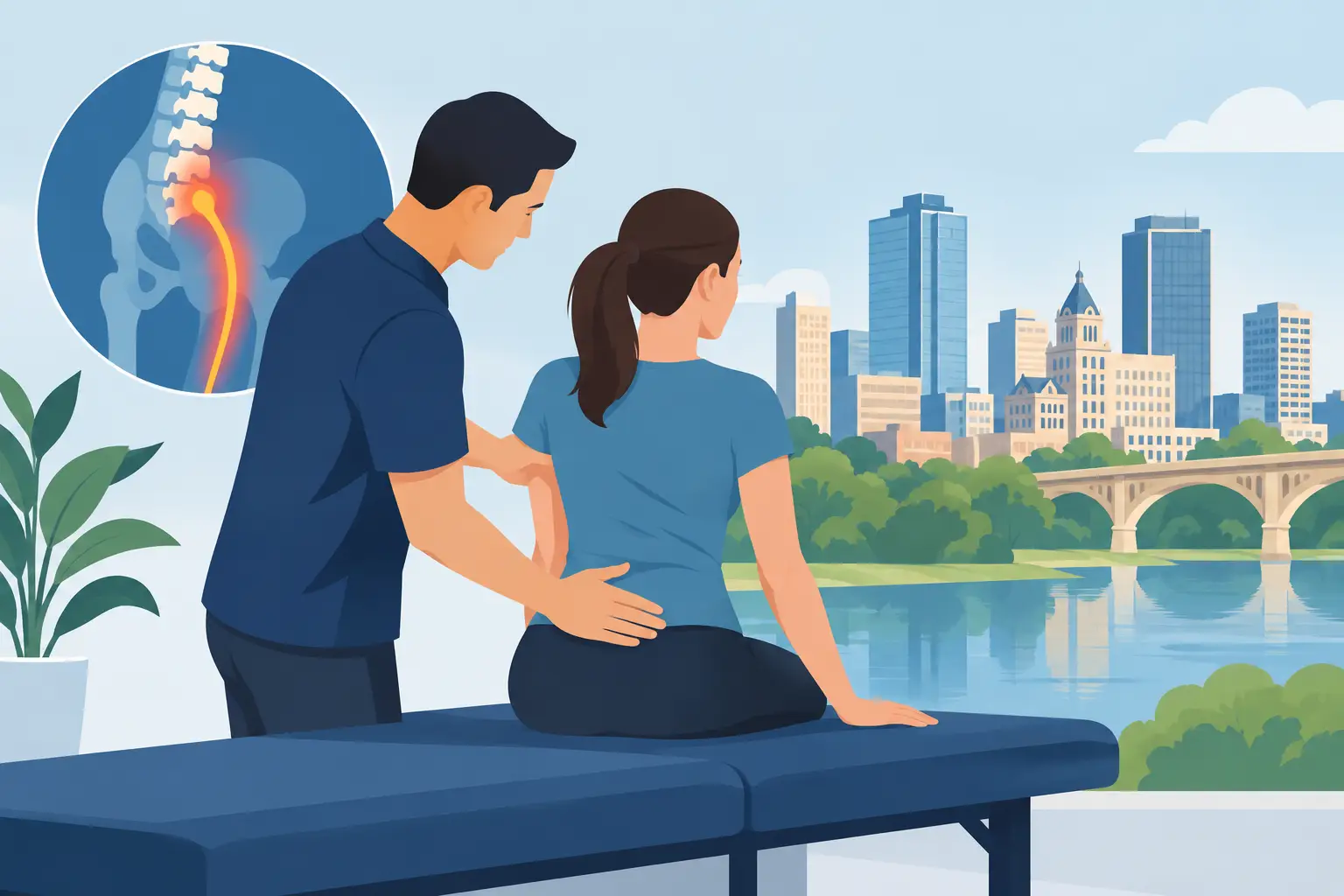
Sciatica is not simply another name for lower back pain. It describes symptoms related to irritation or compression of the sciatic nerve or the nerve roots that contribute to it. The sciatic nerve runs from the low back through the hips and down each leg, which is why pain can travel well beyond the spine.
Symptoms may include a sharp, burning, electric, or aching sensation that moves from the low back or buttock into the thigh, calf, or foot. Some patients notice tingling, numbness, weakness, or a feeling that one leg is less stable than the other. Pain may worsen with sitting, bending, coughing, lifting, or standing after a long drive.
The severity varies. A mild flare may be uncomfortable but manageable, while more significant nerve irritation can interfere with work, exercise, childcare, and sleep. A careful evaluation helps separate sciatica-like symptoms from other causes of leg pain and guides the next steps in care.
When Fort Worth Sciatica Treatment Starts With an Evaluation
A personalized evaluation is the foundation of effective care. At Westside Spine & Injury, the goal is to understand the full picture rather than treating a painful area in isolation. Your provider may assess your posture, range of motion, spinal alignment, muscle tension, reflexes, and the movements that increase or reduce your symptoms.
That assessment matters because sciatica can have several contributing factors. A herniated or bulging disc may place pressure on a nerve root. Spinal joint restrictions, muscle spasms, inflammation, degenerative changes, or pelvic imbalance can also affect how the low back and hips move. After an accident, pain may involve a combination of disc irritation, strained muscles, joint dysfunction, and protective muscle guarding.
Your treatment plan should be based on those findings and your goals. Someone trying to return to a physically demanding job may need a different progression than someone whose main concern is sitting comfortably at a desk or driving without pain. Recovery is not one-size-fits-all, and treatment should adjust as your symptoms and mobility change.
Non-Surgical Care That Supports Healing
Many cases of sciatica respond well to conservative, non-surgical treatment. The right approach depends on the source of symptoms, how long they have been present, and whether there are signs of nerve weakness or more serious injury. Care may include a combination of therapies designed to reduce irritation while helping the body regain normal movement.
Chiropractic Adjustments and Mobility Care
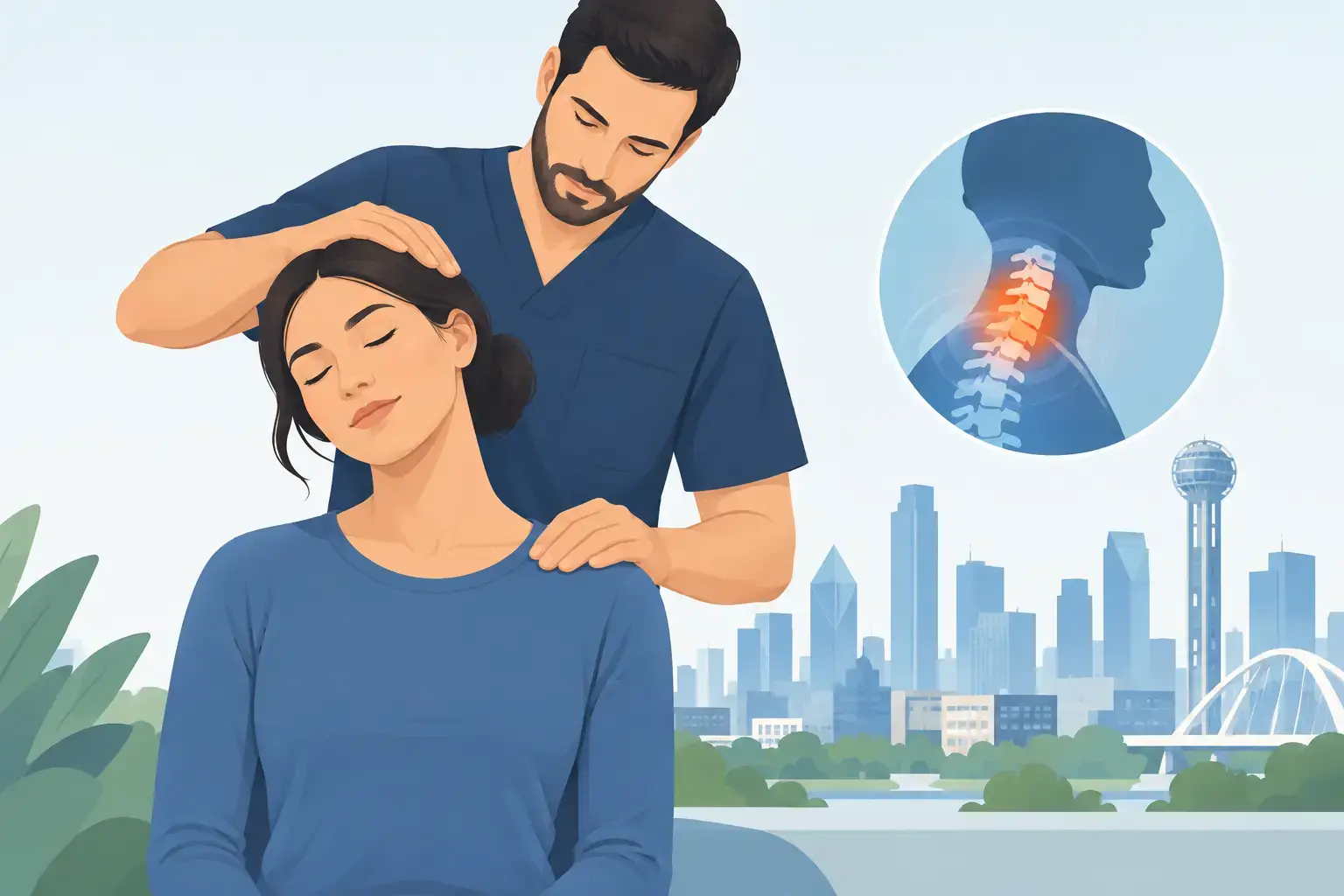
When appropriate, gentle chiropractic adjustments can help improve spinal and joint motion. Restricted movement in the low back, pelvis, or surrounding joints can cause the body to compensate in ways that keep muscles tight and place added stress on sensitive areas. Restoring healthier movement may reduce mechanical pressure and support a more comfortable range of motion.
Adjustments are not a shortcut or a one-visit fix. They are part of a broader plan that may include soft-tissue work, therapeutic modalities, and guidance on activity. The goal is to help you move better without pushing through pain that your body is not ready to handle.
Spinal Decompression for Disc-Related Symptoms
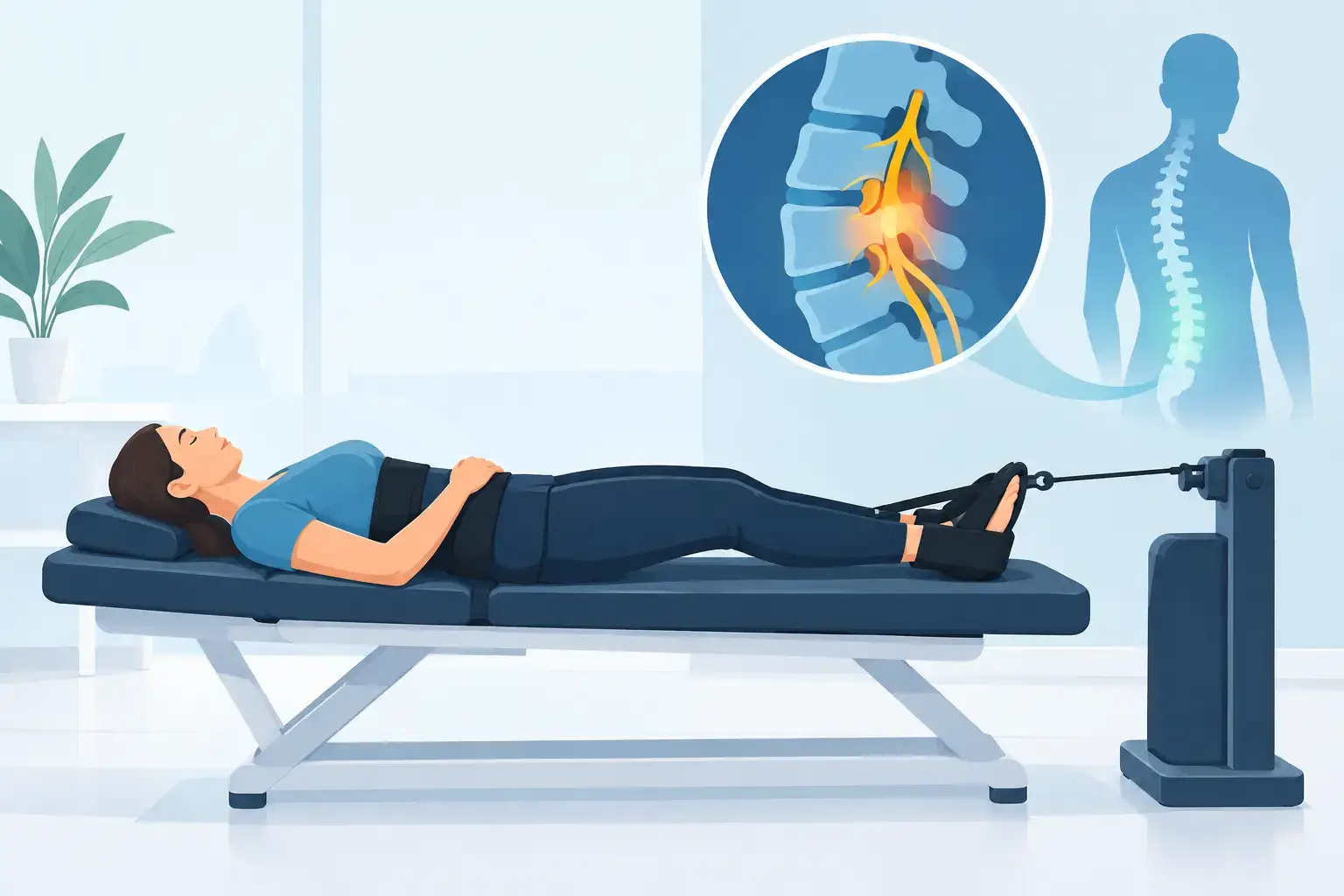
For patients whose sciatica may be connected to disc pressure or nerve root irritation, spinal decompression may be considered. This therapy uses controlled traction to gently create space within the spine. In the right situation, that can reduce pressure on sensitive structures and support circulation and nutrient exchange around the disc.
Decompression is not appropriate for every condition, which is why an evaluation comes first. A provider should review your symptoms, health history, and examination findings before recommending it. When it fits the diagnosis, it can be a valuable part of a plan for reducing pain and improving tolerance for everyday movement.
Muscle and Inflammation Support
Sciatica often causes the surrounding muscles to tighten as the body tries to protect the painful area. That tension can become part of the problem, limiting movement and making the hip, low back, and leg feel even more restricted.
Trigger point therapy can address tender, tight areas in the muscles that may be contributing to pain patterns. Interferential electrical stimulation may help calm discomfort and muscle spasm, while intersegmental traction can support mobility and circulation in the spine. These treatments are used to complement hands-on care, not replace a thorough recovery plan.
The best combination depends on your symptoms. A patient in an acute, highly painful flare may need an initial focus on comfort and inflammation control. As pain settles, care can shift toward restoring mobility, improving tolerance for normal activity, and helping prevent repeated aggravation.
Sciatica After a Car Accident Requires Prompt Attention
After a collision, low back pain or radiating leg symptoms may not fully appear until the next day or several days later. Adrenaline, shock, and immediate concern about vehicle damage can mask physical symptoms at first. Waiting for pain to become severe can make it harder to document the injury and begin appropriate treatment.
Early evaluation provides a baseline for your condition and creates a clear record of symptoms, findings, and recommended care. This is especially helpful when sciatica affects your ability to work, drive, sleep, or manage responsibilities at home.
For personal injury patients, treatment also involves practical coordination. A clinic that works with attorneys, insurance companies, and Letters of Protection can help keep medical records organized while you focus on healing. Transportation assistance and same-day availability can also remove barriers when pain, vehicle damage, or scheduling challenges make care difficult to access.
What You Can Do Between Visits
Your daily choices can affect sciatica symptoms, but this does not mean you need to stop moving completely. Prolonged bed rest may increase stiffness for many people. Controlled, comfortable movement is often more useful than trying to power through a workout or staying still all day.
Pay attention to positions that consistently trigger symptoms. If sitting increases pain, take brief standing or walking breaks rather than remaining in one position for hours. Use careful body mechanics when getting in and out of a vehicle, lifting items, or bending toward the floor. Heat or cold may provide temporary relief for some people, depending on whether muscles feel tight, inflamed, or both.
Avoid relying on internet stretches or exercises that sharply increase leg pain, numbness, or weakness. A movement that helps one person may aggravate another person’s disc or nerve irritation. Your provider can recommend activity modifications that match your condition and stage of recovery.
When Sciatica Needs Urgent Medical Attention
Most sciatic symptoms can be evaluated in a scheduled clinical setting, but certain signs require prompt medical attention. Seek urgent care if you develop sudden or worsening leg weakness, loss of bowel or bladder control, numbness in the groin or saddle area, fever with severe back pain, or pain after a major trauma. These symptoms can signal a condition that needs immediate assessment.
Even without those warning signs, persistent radiating pain, progressive numbness, or symptoms that are disrupting daily function deserve a professional evaluation. The sooner the cause is clarified, the sooner care can be tailored to your needs.
Pain that travels down your leg can make life feel smaller than it should. A thoughtful treatment plan can help reduce pain, restore mobility, and give you a clear path back to work, family activities, and the routines that matter to you. If your symptoms are keeping you from moving comfortably, scheduling an evaluation is a practical first step toward focused, organized recovery.