Pain that starts in the low back or hip and travels down one leg can make ordinary tasks feel uncertain. Sitting through work, getting in and out of a car, climbing stairs, or sleeping comfortably may suddenly become difficult. Effective sciatica relief is not about simply pushing through the pain. It starts with identifying what is irritating the sciatic nerve and building a care plan that helps reduce pain, restore mobility, and support healing.
What Sciatica Pain Can Feel Like
Sciatica describes a pattern of symptoms caused by irritation or compression affecting the sciatic nerve or the nerve roots that form it in the lower spine. The pain often follows one side of the body, moving from the lower back, buttock, or hip into the thigh, calf, or foot.
For some people, the sensation is sharp, burning, electric, or shooting. Others notice numbness, tingling, heaviness, or weakness in the leg. Symptoms may worsen with prolonged sitting, bending, coughing, lifting, or driving. They can also fluctuate, which is why a person may feel manageable discomfort one day and significant limitation the next.
Sciatica is a symptom pattern, not a diagnosis by itself. A careful evaluation helps determine whether the issue may be related to a disc condition, joint restriction, muscle tension, inflammation, spinal narrowing, or another source of nerve irritation. That distinction matters because the right approach for one cause may not be the best choice for another.
Why Sciatica Can Appear After an Auto Accident
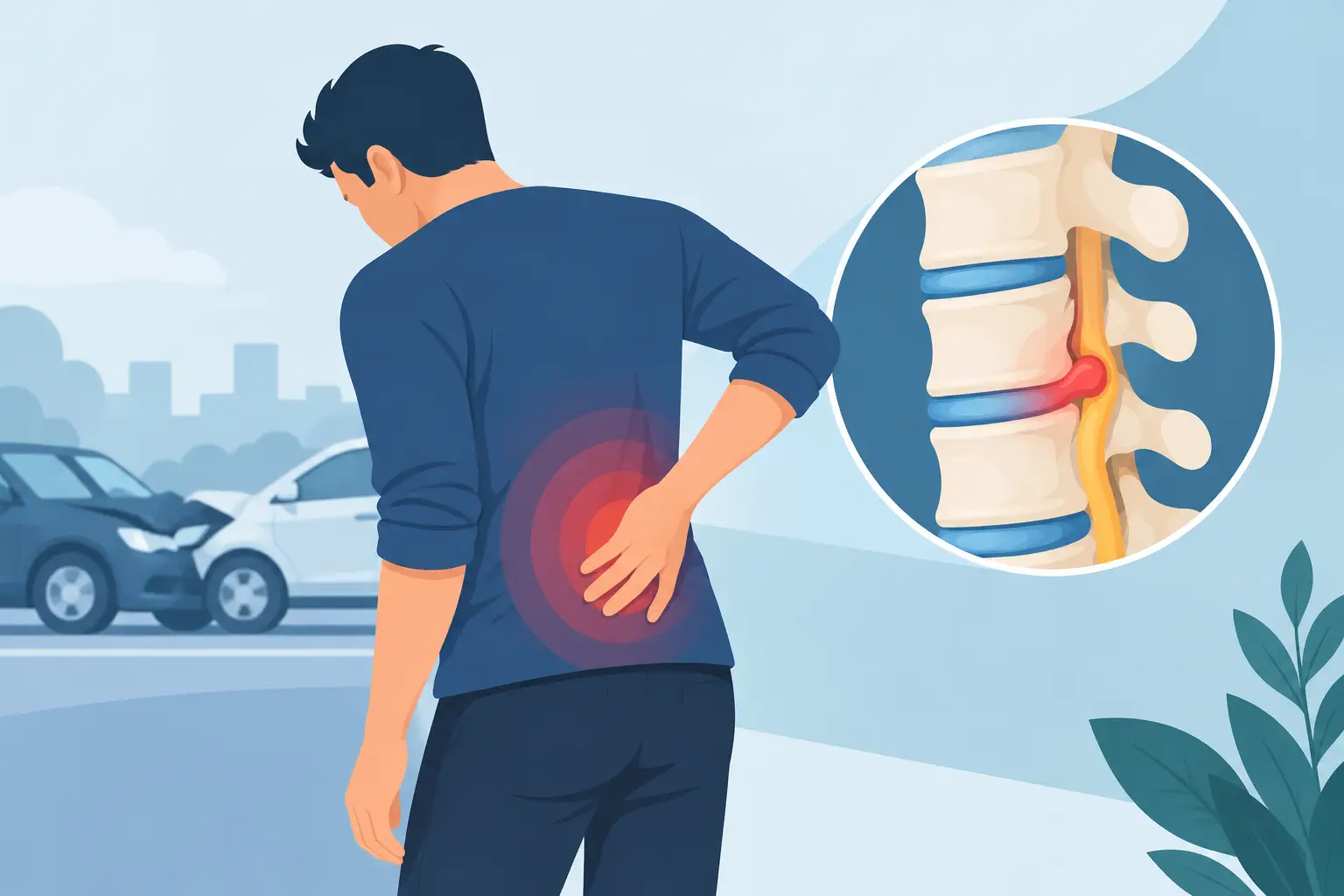
A collision does not have to cause an obvious fracture to affect the spine. The force of an auto accident can strain muscles and ligaments, irritate spinal joints, aggravate a previously quiet disc problem, or alter the way the body moves and bears weight. Symptoms may begin immediately, but they can also develop over the following days as inflammation and muscle guarding increase.
This delayed onset is one reason accident-related back and leg pain should not be dismissed. A driver may initially focus on neck pain, headaches, or bruising, then later notice pain radiating into the buttock or leg. Early evaluation can document symptoms, identify movement limitations, and create a structured path for recovery before pain becomes more disruptive.
For personal injury patients, organized records are also part of responsible care. Clear evaluations, treatment notes, and progress documentation can help patients, attorneys, and insurance representatives understand how an injury is affecting daily function and what care has been recommended.
Sciatica Relief Starts With a Thorough Evaluation
A useful treatment plan should not be based on a quick guess. During an evaluation, a provider may review how the symptoms began, where pain travels, what movements aggravate it, and whether there has been a recent accident or prior history of back pain. They may also assess posture, range of motion, muscle tension, spinal mobility, reflexes, strength, and areas of tenderness.
The goal is to understand both the pain and the person experiencing it. Someone whose symptoms flare after a long commute may need different guidance than someone whose pain began after a rear-end collision or someone who cannot comfortably lift a child at home.
Imaging or medical referral may be appropriate in certain cases. Non-surgical chiropractic care can be a helpful option for many musculoskeletal causes of sciatica, but treatment should always match the findings, symptom severity, and the patient’s overall health history.
Non-Surgical Care Options for Sciatica Relief
The best plan is individualized. Care may include a combination of therapies designed to reduce irritation, improve movement, and help the body tolerate everyday activities with less pain.
Chiropractic adjustments and mobility care
When spinal joints are restricted or moving poorly, surrounding tissues can become irritated and compensate in unhelpful ways. Gentle chiropractic adjustments may help improve joint motion, reduce mechanical stress, and support a more comfortable range of motion. The specific technique and frequency should be tailored to the patient’s condition and comfort level.
Spinal decompression for disc-related symptoms
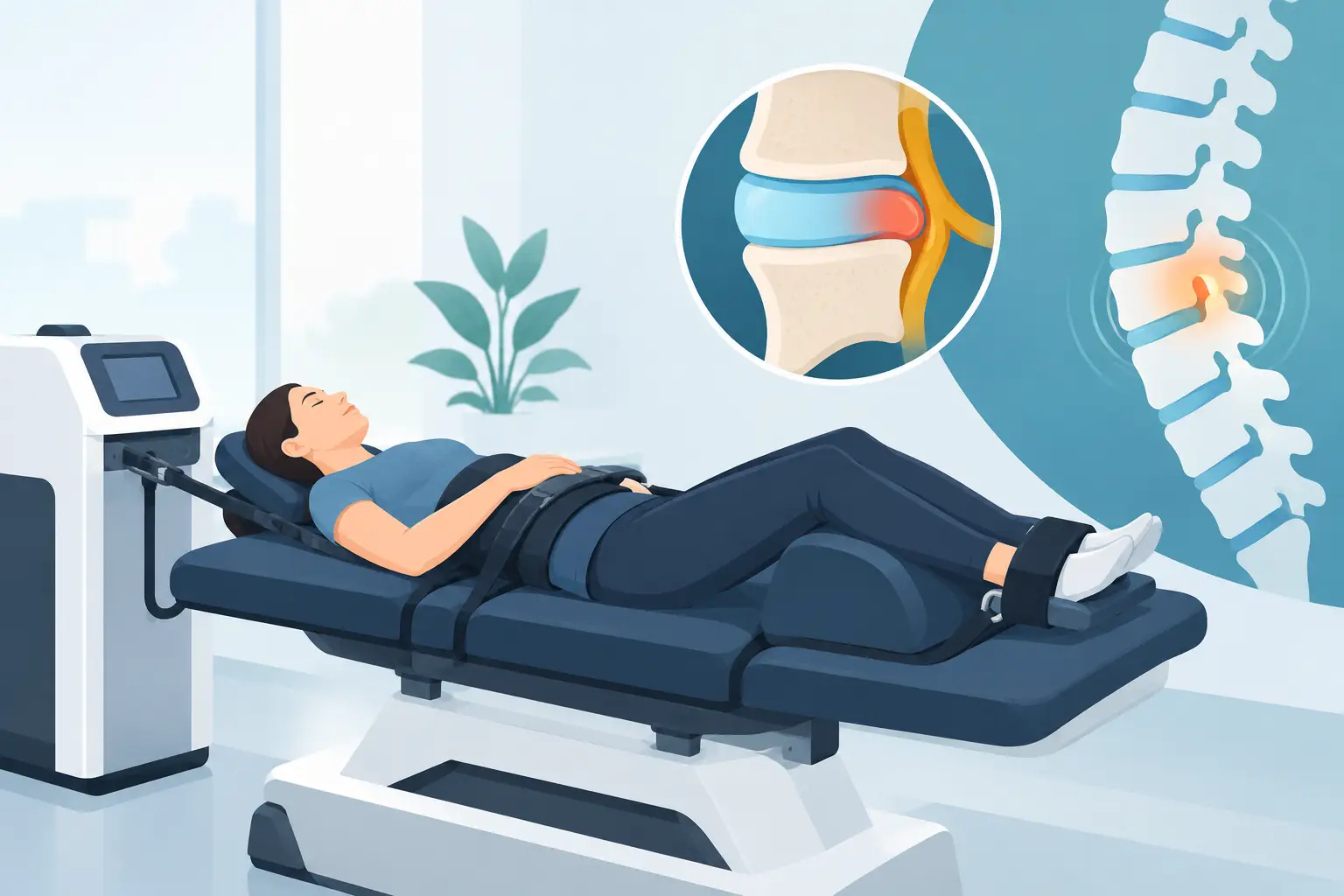
For some patients, especially those with symptoms consistent with disc involvement, spinal or cervical decompression may be considered. This non-surgical therapy uses controlled traction to help reduce pressure within the spine and support circulation to affected tissues. It is not appropriate for every condition, but it can be a valuable part of a conservative care plan when clinically indicated.
Intersegmental traction and therapeutic support
Intersegmental traction uses gentle movement to support spinal mobility and circulation. Interferential electrical stimulation may be used to help manage pain and muscle spasms, while trigger point therapy can address tight, sensitive muscle bands that contribute to hip, buttock, or leg discomfort. These therapies are often most useful when combined with hands-on care and an active recovery plan rather than used as a stand-alone solution.
Movement guidance that fits real life
Rest can be helpful briefly after a flare-up, but extended inactivity may lead to more stiffness and sensitivity. Patients often benefit from gradual, guided movement that respects their symptoms. This can include comfortable walking, position changes during the workday, gentle mobility exercises, and modified ways to bend, sit, or get into a vehicle.
There is no single stretch that works for everyone with sciatica. A movement that helps one person may worsen symptoms for another, particularly when a disc injury or acute inflammation is involved. That is why individualized instruction matters.
Everyday Habits That May Reduce Flare-Ups
Small adjustments can make a meaningful difference while a patient is recovering. Avoid staying in one position for too long, particularly if sitting increases leg symptoms. Short movement breaks can be more manageable than one long exercise session. When sitting, support the lower back and keep both feet grounded when possible.
Pay attention to activities that repeatedly trigger sharp or radiating pain. Heavy lifting, deep bending, twisting while carrying an object, and sudden high-impact exercise may need to be modified temporarily. The goal is not to avoid movement indefinitely. It is to give irritated tissues a chance to calm down while rebuilding confidence and function.
Sleep position can matter as well. Some people are more comfortable on their side with a pillow between the knees, while others prefer lying on their back with support beneath the knees. Comfort is a practical guide here: a position that reduces tension and allows restful sleep is generally the better choice.
When Sciatica Symptoms Need Urgent Medical Attention
Most cases of radiating leg pain can be evaluated through a scheduled appointment, but certain symptoms need urgent medical care. Seek immediate attention for:
- New loss of bladder or bowel control
- Numbness in the groin or inner thigh area
- Sudden or progressive leg weakness, including trouble lifting the foot
- Severe pain after a major fall, collision, or other trauma, especially with fever or unexplained weight loss
These symptoms can indicate a more serious condition that should not wait for routine conservative treatment.
A Recovery Plan Should Support More Than Pain Relief
Pain relief matters, but a strong plan also considers what pain is preventing you from doing. That may mean returning to work without fearing the drive, sleeping through the night, walking comfortably at the grocery store, caring for family, or resuming exercise safely.
For accident-related sciatica, recovery can feel even more complicated when appointments, transportation, insurance questions, and legal documentation are all competing for attention. Westside Spine & Injury provides individualized non-surgical care alongside practical case-management support, including coordination with attorneys and insurance companies when appropriate. The focus is to keep treatment organized so patients can focus on healing.
Sciatica symptoms can be frustrating, but they do not have to define your routine. A timely evaluation can clarify what is driving the pain and provide a thoughtful next step toward moving with greater comfort and confidence.