A sharp pain traveling from the low back into the hip, buttock, or leg can make ordinary routines feel uncertain. Sitting through a workday, getting in and out of a car, carrying groceries, or sleeping comfortably may suddenly become difficult. To reduce sciatica symptoms, the goal is not simply to cover up the pain. It is to identify what may be irritating the sciatic nerve, calm inflammation and muscle tension, and restore the movement patterns that support recovery.
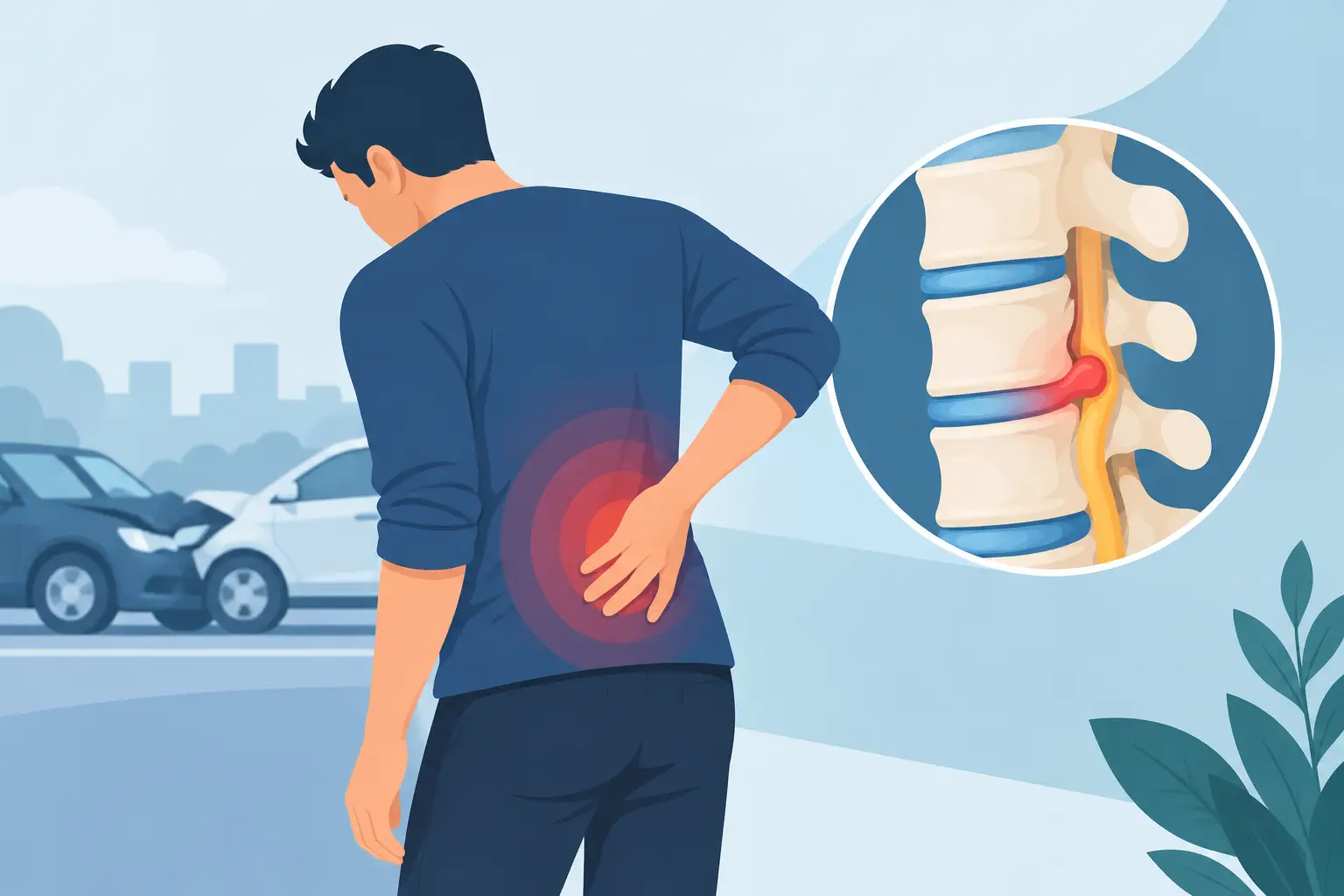
Sciatica is a description of nerve-related symptoms, not a diagnosis by itself. The sciatic nerve is the largest nerve in the body, running from the lower spine through the hips and down each leg. When a spinal disc, joint, tight muscle, or injury places pressure on or irritates a nerve root, pain may radiate along that pathway. Symptoms can include burning, tingling, numbness, weakness, or an electric-like pain in one leg.
For many people, especially after an auto accident or a sudden lifting injury, an early evaluation provides clarity and helps prevent a short-term problem from becoming a longer recovery.
Start by understanding what is driving the pain
Sciatica can develop for different reasons, and the right care depends on the source. A herniated or bulging disc may irritate a nerve in the lower back. Spinal joint restrictions, degenerative changes, narrowing around the nerve, and deep muscle tension in the hip can also contribute. After a collision, even a low-speed impact can strain the spine and surrounding soft tissues, changing how the body moves and reacts to pressure.
The location of pain offers useful clues, but it does not tell the whole story. Pain that runs below the knee, numbness in the foot, or noticeable leg weakness deserves a thorough assessment. A clinician can review the injury history, perform neurological and movement testing, and determine whether imaging or referral is appropriate.
Trying random stretches or intense workouts before knowing the cause can backfire. Some movements help one type of sciatica and aggravate another. A personalized plan is more useful than a one-size-fits-all routine.
Gentle movement can reduce sciatica symptoms
When pain is intense, complete bed rest can feel like the safest option. However, staying still for days can increase stiffness, weaken supporting muscles, and make the nervous system more sensitive to movement. Short, frequent periods of comfortable activity are often a better starting point.
Walking on a level surface for a few minutes at a time may help maintain circulation and reduce guarding in the hips and lower back. Change positions regularly if sitting worsens symptoms. For office workers and drivers, a brief standing or walking break every 30 to 45 minutes can be more manageable than waiting until pain has built up.
The key is to respect the body’s signals. Mild muscular soreness after activity may be expected, but increasing leg pain, spreading numbness, or symptoms that linger significantly after movement are signs to scale back and seek guidance. Recovery should build tolerance gradually, not force the body through sharp pain.
Use positions that take pressure off the low back
Small adjustments can make daily life more comfortable while treatment is underway. Many people feel relief lying on their side with a pillow between the knees, which can reduce rotation through the hips and low back. Others prefer lying on their back with their lower legs supported on a chair or several firm pillows.
When sitting, choose a supportive chair and keep both feet on the floor rather than crossing the legs. A small lumbar support may help some people maintain a more comfortable posture. If driving aggravates symptoms, adjust the seat so the knees are not significantly higher than the hips and avoid reaching far forward for the steering wheel.
There is no single perfect posture. The best position is generally the one that reduces leg symptoms and allows you to move again without a sharp flare.
Calm inflammation and muscle guarding
The body often responds to nerve irritation by tightening nearby muscles. That protective response can become part of the problem, pulling on the pelvis and limiting motion around the lower back. Conservative treatment may focus on reducing inflammation, easing muscle tension, and improving circulation so the area can move more normally.
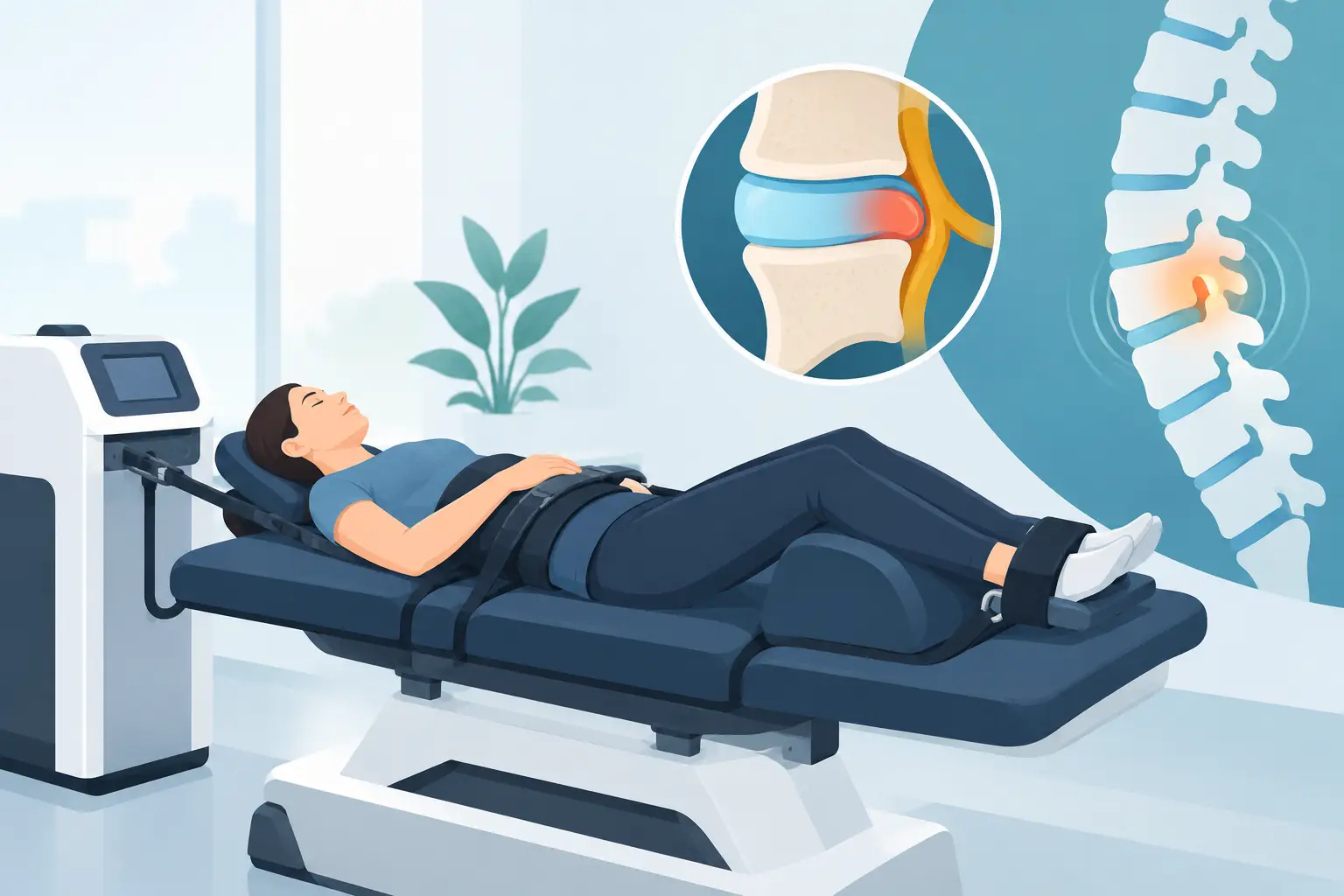
Depending on the examination findings, non-surgical care may include chiropractic adjustments to address joint restriction, trigger point therapy for tight muscles, intersegmental traction, or interferential electrical stimulation for pain and muscle discomfort. Spinal decompression may be considered when disc-related pressure is suspected and the patient is an appropriate candidate. These services are not interchangeable, and they should be selected based on the patient’s symptoms, health history, and response to care.
At home, heat or ice may provide temporary comfort. Ice can be useful after a recent flare or injury when the area feels acutely inflamed, while gentle heat may help when muscle tightness is the main concern. Use either for short periods with a barrier between the pack and skin. If one option increases discomfort, stop using it.
Rebuild mobility before returning to heavier activity
Sciatica often improves when the spine, hips, and core regain coordinated movement. That does not necessarily mean aggressive strengthening right away. Early rehabilitation may begin with controlled mobility work, breathing mechanics, and simple exercises that do not send symptoms farther down the leg.
As symptoms settle, a treatment plan may progress toward hip mobility, core stability, and better lifting mechanics. This matters for people whose work involves driving, standing, lifting, or repeated bending. It also matters for parents, active adults, and anyone who wants to return to exercise without fearing the next flare.
A useful rule is to watch the direction of symptoms. Pain that retreats from the calf or foot and becomes more centralized can be a positive change for some disc-related cases. Pain that moves farther down the leg or is paired with increasing weakness should be assessed promptly.
Avoid common setbacks during recovery
Sciatica can improve, then flare when people feel better and return to everything at once. Recovery is rarely about avoiding all activity. It is about choosing the right amount of activity at the right stage.
Avoid lifting with a rounded back and twisting at the same time, particularly when picking up heavy boxes, children, or equipment. Break up long car rides when possible, and do not keep a wallet or thick object in a back pocket while sitting. Reaching for extreme stretches, deep forward folds, or high-impact workouts may also irritate a sensitive nerve before the body is ready.
Medication may have a role for some patients, but it should be discussed with a qualified medical provider, particularly for people with other health conditions or who take prescription medications. Pain relief can make movement easier, but it does not replace an evaluation or a structured rehabilitation plan.
Know when sciatica needs urgent medical attention
Most cases of sciatica are not emergencies, but certain symptoms should never be ignored. Seek immediate medical attention for new loss of bladder or bowel control, numbness around the groin or inner thighs, rapidly worsening leg weakness, fever with severe back pain, or symptoms after a major fall or crash. These can indicate conditions that require urgent medical care.
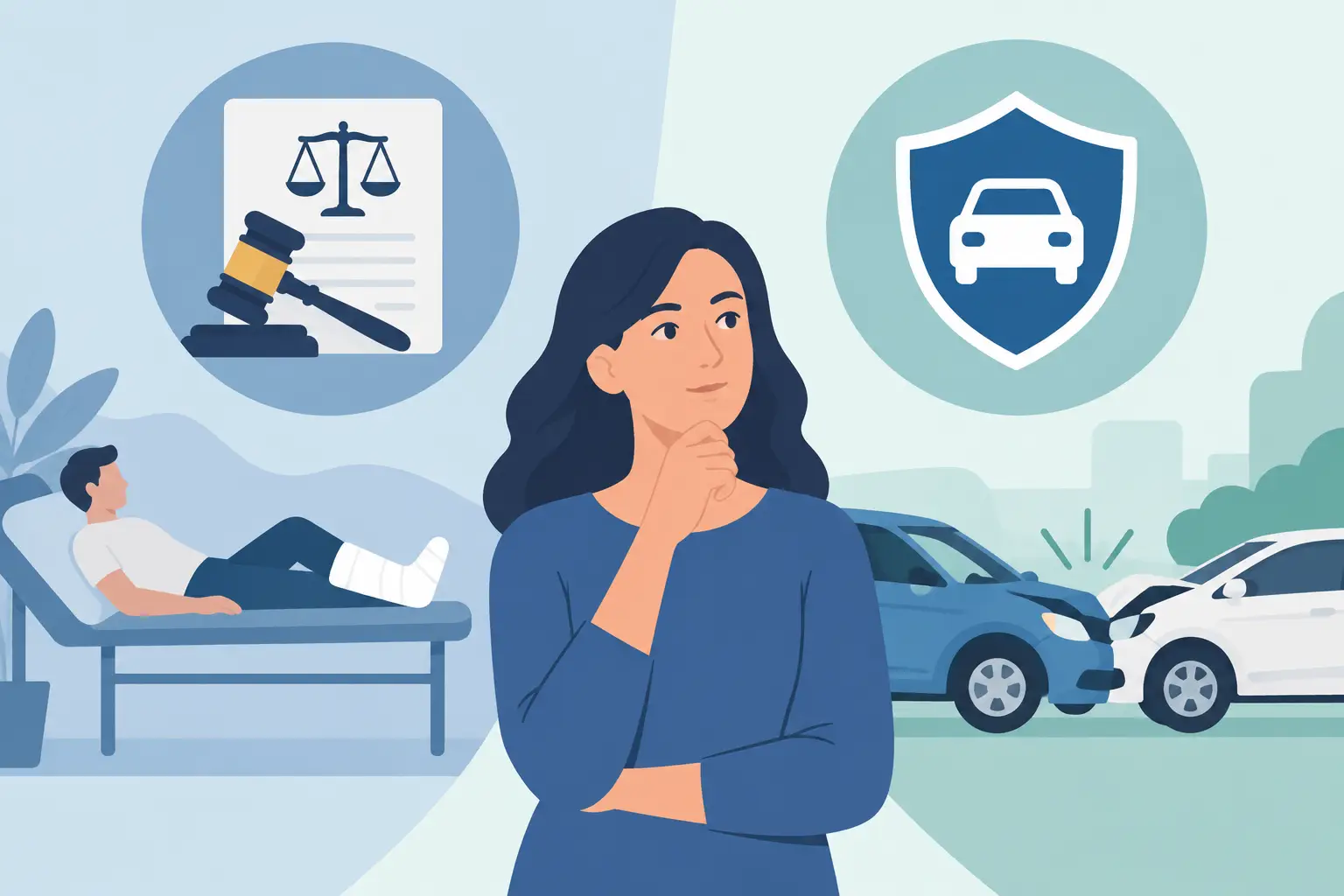
Schedule a timely evaluation when leg pain persists, numbness is recurring, sleep is regularly disrupted, or symptoms interfere with work and normal responsibilities. After an auto accident, symptoms may not appear fully until hours or days later. Documentation from early evaluations can support both appropriate care and an organized personal injury claim.
Personalized care can make recovery more manageable
For accident-related sciatica, treatment involves more than addressing pain on the table. Patients may also need clear records, coordinated communication with an attorney or insurance company, and practical help getting to appointments. Westside Spine & Injury provides individualized non-surgical care alongside organized case-management support, including Letters of Protection and transportation assistance when needed.
Whether sciatica started after a collision, a work strain, or gradual wear and tear, the most productive next step is an evaluation that connects your symptoms to a clear recovery plan. With appropriate care, steady movement, and attention to warning signs, you can focus on healing and returning to the activities that matter to you.