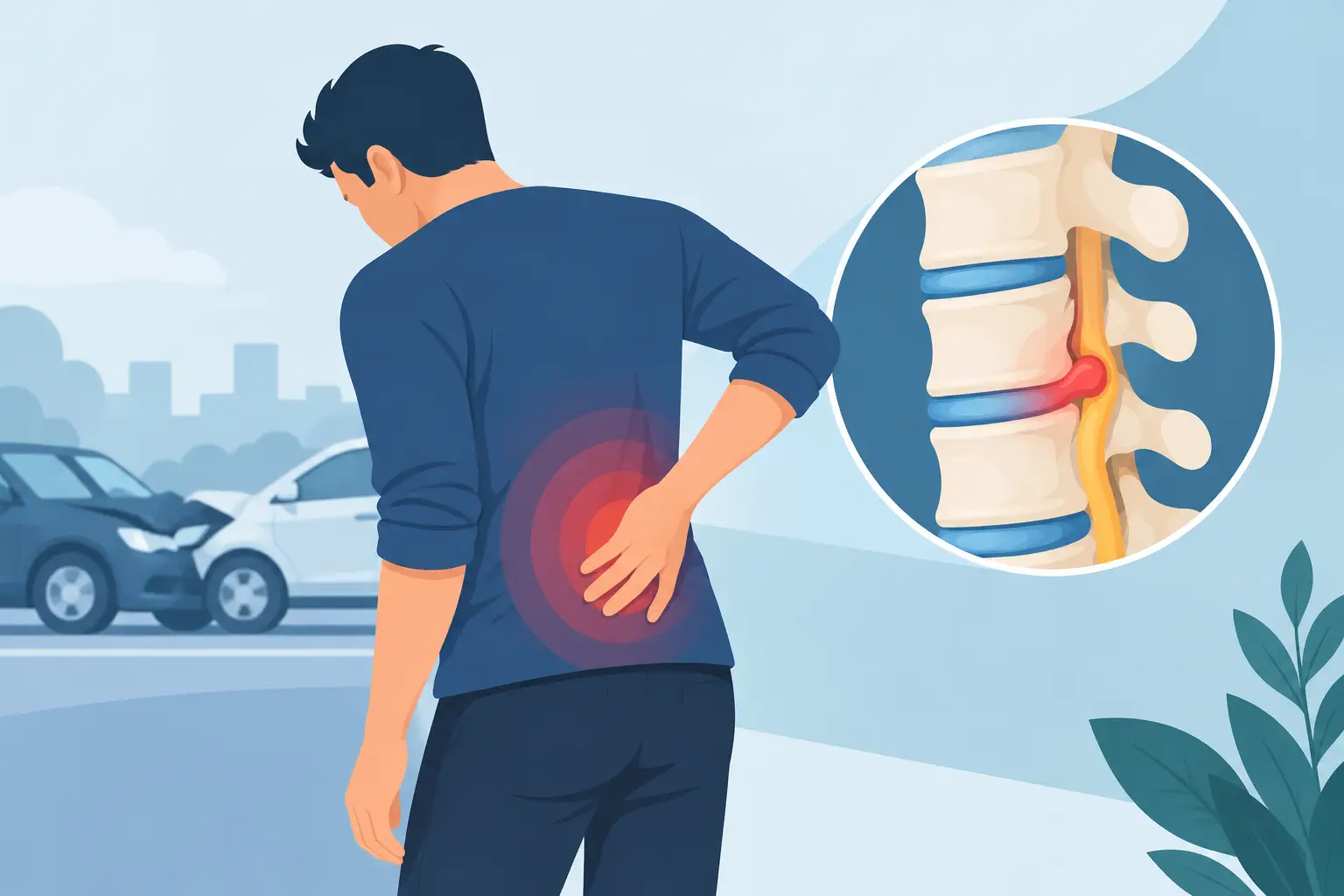
Joint pain can make ordinary movements feel uncertain. Turning your head while driving, lifting a child, climbing stairs, or getting up from a chair may trigger pain, stiffness, catching, or a limited range of motion. After a car accident, those symptoms can be especially confusing because joint and soft-tissue injuries do not always feel severe on the first day.
So, does chiropractic treat joint pain? Chiropractic care may help address certain types of joint pain by improving movement, reducing surrounding muscle tension, and supporting recovery from musculoskeletal injuries. The right answer depends on the joint involved, the cause of the pain, your overall health, and whether a more urgent medical condition needs attention first.
At Westside Spine & Injury, care begins with understanding what is driving the pain, not simply treating the place where it hurts. A personalized, non-surgical plan can help many patients reduce pain, restore mobility, and focus on healing after an accident or during an ongoing pain problem.
Does Chiropractic Treat Joint Pain Caused by Injury?
Chiropractors commonly evaluate and treat joint pain related to mechanical or musculoskeletal problems. These are issues involving how the joints, muscles, ligaments, tendons, and nerves work together. A joint may become painful when it is moving poorly, moving too much after a sprain, or being stressed by tight muscles and altered posture.
This is particularly relevant after an auto accident. The force of a collision can strain the neck, back, shoulders, hips, knees, wrists, and jaw. Whiplash, for example, can irritate the joints and soft tissues of the cervical spine even when an X-ray does not show a fracture. Symptoms may include neck stiffness, headaches, shoulder pain, pain between the shoulder blades, and difficulty turning the head.
Chiropractic treatment is not a cure for every form of joint pain. It cannot reverse advanced joint degeneration, repair a complete ligament tear, or replace emergency care for a fracture or dislocation. However, it can be a useful part of conservative care when an evaluation shows that joint dysfunction, muscle guarding, inflammation, or restricted mobility is contributing to symptoms.
How Chiropractic Care May Help Painful Joints
A joint does not work alone. When pain develops in one area, nearby muscles often tighten to protect it. That protective tension can reduce circulation, limit movement, and place more stress on other joints. For instance, a painful hip can change the way you walk and eventually contribute to knee or low-back discomfort.
Chiropractic adjustments are designed to improve motion in restricted spinal or extremity joints. When appropriate, an adjustment may reduce stiffness and help the body move more comfortably. Treatment is not limited to adjustments, though. A comprehensive plan may also include therapies that calm irritated tissue and prepare the body to move more normally.
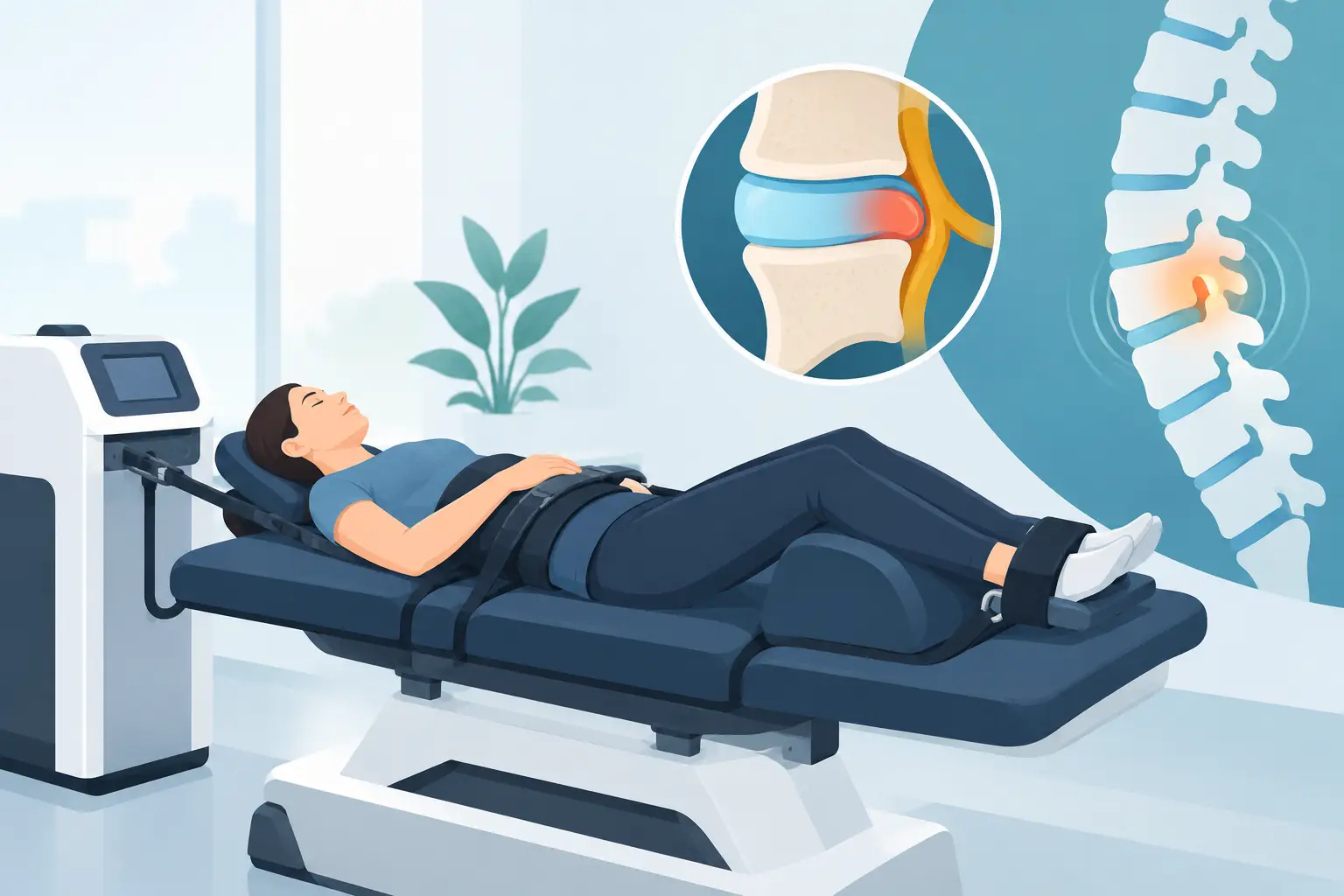
Depending on your condition, care may include spinal or cervical decompression, intersegmental traction, interferential electrical stimulation, and trigger point therapy. These treatments may help reduce muscle tension, improve circulation, manage inflammation, and support a gradual return to activity. The goal is practical: less pain with daily movement, more confidence in your body, and a clear path forward.
For many patients, the best results come from combining in-office care with guidance on posture, activity modification, gentle mobility work, and appropriate strengthening. Rest can be helpful early after an injury, but prolonged avoidance of movement can also lead to more stiffness and weakness. Your plan should account for both pain relief and safe functional recovery.
Which Joints May Respond to Chiropractic Treatment?
Chiropractic care can be considered for several regions of the body when the pain is musculoskeletal and the patient is an appropriate candidate. The spine is the most familiar area, but joint-related symptoms are not limited to the back or neck.
Neck and upper-back joints may become restricted after whiplash, repetitive work, poor posture, or a sudden strain. The shoulder can be painful because of muscle imbalance, altered movement patterns, or referred pain from the neck. Low-back and sacroiliac joint pain may affect bending, standing, walking, and getting in or out of a vehicle.
Hip, knee, ankle, and wrist symptoms also deserve a careful evaluation. In some cases, treatment can address the movement restrictions or soft-tissue tension contributing to pain in these areas. In other cases, the right next step may be imaging, orthopedic evaluation, physical rehabilitation, or co-management with another healthcare provider. A responsible treatment plan recognizes that distinction.
The Evaluation Matters as Much as the Treatment
The same symptom can have very different causes. Knee pain after a minor twist may be a temporary strain, while knee pain after a collision could involve a more significant injury. Neck pain with mild stiffness is different from neck pain accompanied by progressive weakness, numbness, balance changes, or severe headache.
A thorough evaluation considers how the injury happened, where the pain travels, what movements worsen it, and whether there are signs of nerve involvement. It should also include an assessment of range of motion, muscle tenderness, joint function, posture, and relevant medical history. If diagnostic imaging or medical referral is needed, it should not be delayed.
Seek urgent medical attention for severe or worsening pain after significant trauma, visible deformity, inability to bear weight, sudden loss of strength, loss of bowel or bladder control, chest pain, fever with joint swelling, or a severe headache with neurological symptoms. Chiropractic care is most effective when it is provided at the right time and for the right condition.
What to Expect From a Personalized Joint Pain Plan
There is no single treatment schedule that works for every patient. A recent accident injury may need more frequent early visits to manage pain, track changes, and restore motion safely. Longstanding joint discomfort may require a slower approach that addresses mobility, conditioning, work demands, and recurring movement habits.
Your care plan should explain what is being treated, why each therapy is recommended, and how progress will be measured. That may include easier turning of the neck, less pain when sitting or walking, improved sleep, reduced headaches, or returning to work and family responsibilities with fewer limitations.
For personal injury patients, organized documentation is also part of proper care. Timely evaluations, clear treatment records, and consistent progress notes can help show how an injury has affected function over time. When treatment is connected to an accident claim, coordination with attorneys and insurance representatives can reduce unnecessary stress while you concentrate on recovery.
When Chiropractic Is One Part of a Broader Recovery Plan
Joint pain often improves best with coordinated care rather than a one-size-fits-all approach. A chiropractor may work alongside a primary care provider, pain specialist, orthopedic provider, or other healthcare professional when symptoms or diagnostic findings call for additional support.
This is not a limitation of chiropractic care. It is good clinical judgment. A patient with a suspected fracture needs medical imaging and stabilization. Someone with a major tendon or ligament injury may need orthopedic guidance. A patient with osteoarthritis may benefit from a combination of movement-based care, symptom management, weight-bearing exercise guidance, and medical treatment.
For mechanical pain, stiffness, and soft-tissue injury, conservative chiropractic care may offer a useful starting point before more invasive options are considered. The focus should remain on safe treatment, measurable improvement, and a plan that fits your diagnosis.
A Clear Next Step When Joint Pain Is Interrupting Your Life
You do not have to decide on your own whether a painful joint is a minor strain, an accident-related injury, or a sign that you need another type of medical care. A professional evaluation can clarify the cause, identify red flags, and outline reasonable treatment options.
If joint pain is limiting your ability to drive, work, sleep, exercise, or care for your family, early assessment can help prevent uncertainty from becoming prolonged restriction. The most helpful next step is a care plan built around your injury, your goals, and the support you need to move forward with confidence.