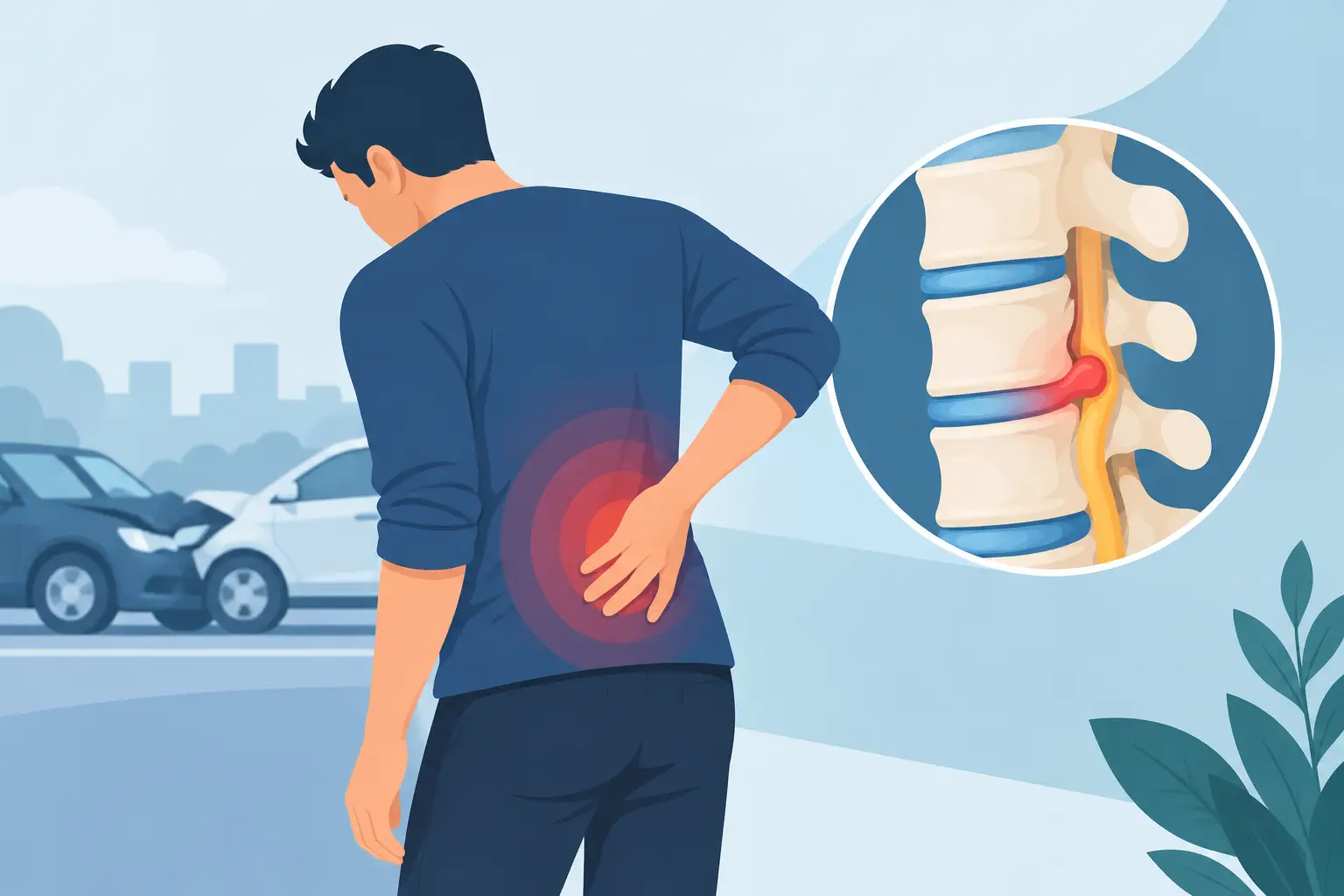
A disc bulge can make ordinary movements feel risky. Sitting through a workday, turning to check traffic, lifting a child, or getting out of bed may trigger back pain, leg pain, numbness, or tingling. After an auto accident, these symptoms can be especially unsettling because pain does not always appear immediately. So, can decompression treat disc bulges? For some patients, non-surgical spinal decompression can be a helpful part of a conservative treatment plan designed to reduce pain, restore mobility, and support the body’s healing process.
The right answer depends on the source of symptoms, the severity of the disc condition, your medical history, and whether nerve function is affected. Decompression is not a cure-all, and it is not appropriate for every type of back problem. A thorough evaluation comes first.
What a Disc Bulge Means
Spinal discs are flexible cushions between the vertebrae. They help absorb force and allow the spine to move. A disc bulge occurs when the disc extends beyond its usual boundary. This is different from a disc herniation, where inner disc material pushes through a tear in the tougher outer layer, although the terms are sometimes used loosely in everyday conversation.
A bulging disc may cause no symptoms at all. Problems arise when the disc, surrounding inflammation, or both irritate a nearby nerve. In the low back, that irritation can contribute to sciatica: pain, burning, tingling, or weakness that travels into the buttock, leg, or foot. In the neck, it may cause pain that reaches the shoulder, arm, or hand.
An accident can aggravate a previously quiet disc condition or create forces that strain the discs, joints, muscles, and ligaments around the spine. That is why a careful examination matters. The pain pattern, physical findings, and imaging when clinically appropriate help guide treatment rather than relying on a scan alone.
Can Decompression Treat Disc Bulges?
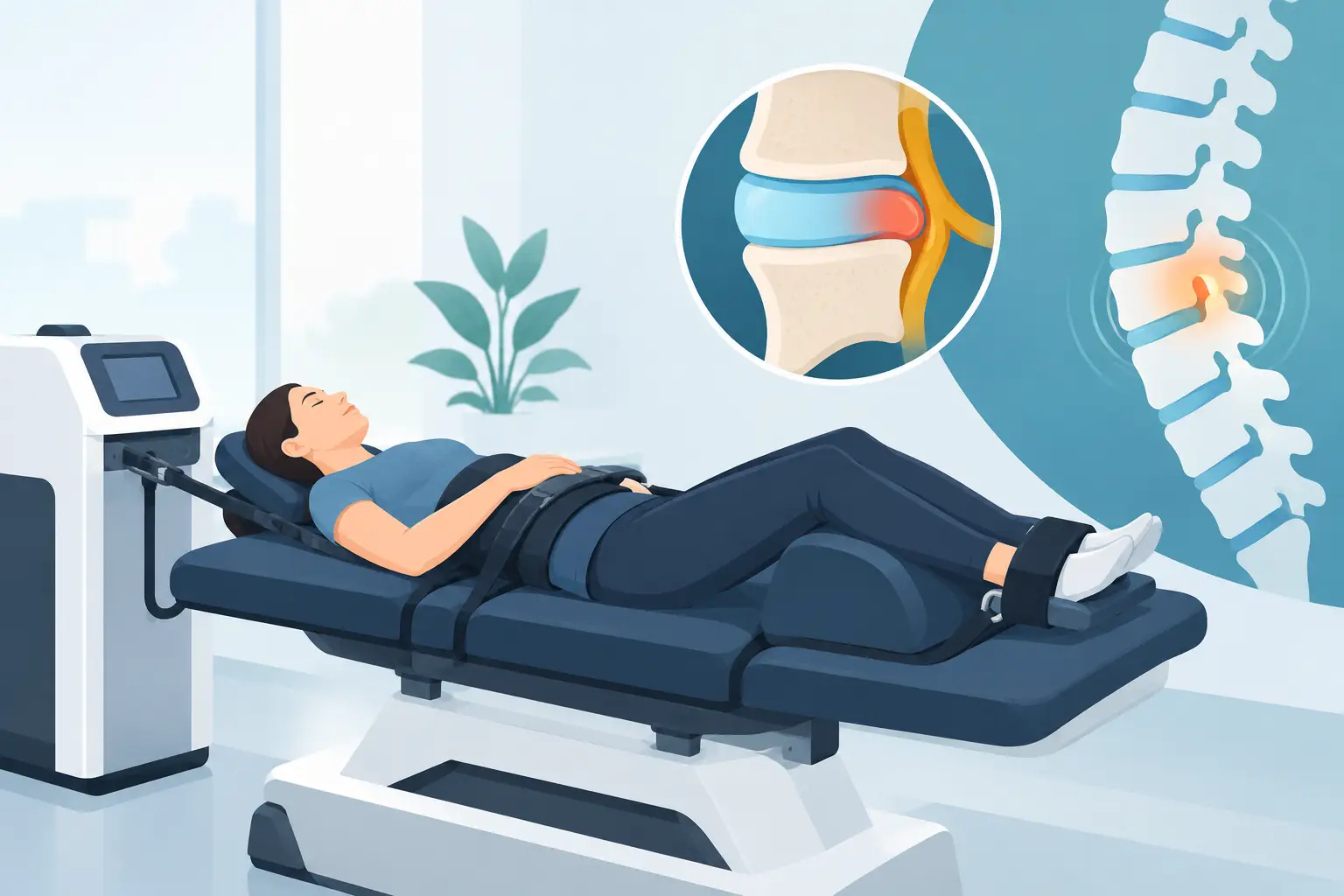
Non-surgical spinal decompression is a controlled form of traction. It gently stretches the spine in cycles while the patient is positioned comfortably on a specialized table. The goal is to reduce compressive forces around an irritated disc and nerve root without surgery.
For the right patient, this change in pressure may help relieve symptoms associated with a bulging or herniated disc. Creating more space between vertebrae may reduce stress on the disc, support fluid exchange, and ease irritation in nearby tissues. Many patients describe less pressure, improved movement, and a gradual reduction in radiating pain over a series of visits.
Still, decompression does not physically “push” every bulge back into place, and no responsible provider should promise that it will. Disc changes can take time, and pain is influenced by inflammation, muscle guarding, movement habits, joint function, sleep, and overall health. The more practical goal is meaningful: reduce pain, improve function, and help you return safely to the activities that matter to you.
When Decompression May Be a Good Option
Decompression may be considered when conservative care is appropriate and symptoms suggest disc-related pressure or nerve irritation. It is often used for persistent neck or low-back pain, sciatica, certain disc herniations or bulges, and pain that worsens with sitting, bending, or loading the spine.
It can be particularly useful as one part of an individualized plan, not as a stand-alone shortcut. At Westside Spine & Injury, a plan may combine decompression with chiropractic care, intersegmental traction, interferential electrical stimulation, trigger point therapy, and guided recommendations for activity modification. Each service has a different role. One may help calm muscle tension, another may improve joint motion, while decompression may address the pressure component of a disc-related condition.
Progress is usually measured by more than a pain score. Can you sit longer without symptoms? Are you sleeping more comfortably? Has pain stopped traveling as far down your arm or leg? Are you moving with greater confidence? These functional changes help determine whether the plan is working.
What a Session Is Like
A decompression session is generally noninvasive and does not involve needles or medication. You are secured comfortably on the treatment table while the equipment applies gentle, programmed traction and release cycles. The treatment is designed to be controlled, not forceful.
Some patients feel a light stretching sensation or relief during treatment. Mild soreness can occur as the body adjusts, especially when muscles have been guarding painful areas for weeks. Tell your provider about any increased pain, numbness, dizziness, or other concern so the plan can be adjusted promptly.
A course of care is commonly scheduled over several weeks, but frequency and duration should be based on your condition and response. Consistency matters, particularly when the goal is to reduce inflammation and help irritated tissues settle down over time.
Who Should Not Receive Spinal Decompression?
A professional evaluation protects patients from receiving treatment that does not fit their condition. Spinal decompression may not be recommended for people with certain fractures, spinal instability, severe osteoporosis, active cancer involving the spine, spinal infection, or other conditions that require a different level of care. Pregnancy and prior spinal surgery may also require special consideration depending on the individual situation.
Urgent symptoms should never be managed by waiting for a routine decompression appointment. Seek immediate medical attention for new or worsening bowel or bladder changes, numbness in the groin or saddle area, significant or rapidly progressing weakness, fever with severe back pain, or pain after a major trauma. These can signal conditions that need prompt medical assessment.
Likewise, worsening neurological symptoms after a car crash deserve careful attention. Early evaluation can help identify the appropriate next step, whether that involves conservative chiropractic care, imaging, medical referral, or coordinated care with another provider.
Why an Integrated Plan Matters After an Accident
Disc symptoms after a collision rarely exist in isolation. Whiplash, muscle strain, headaches, restricted movement, and inflammation can change the way you sit, walk, sleep, and work. Treating only one painful spot may leave other drivers of discomfort unaddressed.
A structured recovery plan begins with a comprehensive evaluation and a clear explanation of what may be contributing to your symptoms. From there, care can be adjusted as your movement and tolerance improve. The objective is not to rush you through visits. It is to provide treatment that matches your injury, daily responsibilities, and recovery goals.
For personal injury patients, organized documentation is part of that support. Accurate records of evaluations, symptoms, treatment recommendations, and progress can be important for your attorney or insurance claim. Coordinating these details can reduce stress while you focus on healing, particularly when pain has already disrupted work, family responsibilities, and transportation.
Supporting Your Results Between Visits
The habits between appointments can influence recovery. Avoiding every movement is usually not the answer, but repeatedly forcing painful bending, twisting, or heavy lifting can keep an irritated disc and nerve sensitive. Your provider can help you identify reasonable modifications based on your job, home demands, and current symptoms.
Short walks, position changes during long periods of sitting, and using supportive body mechanics can often be useful when tolerated. A personalized recommendation is better than copying an exercise routine online, especially if pain travels into the leg or arm. The wrong movement at the wrong stage can flare symptoms rather than calm them.
Recovery also has a timeline. Some patients notice relief quickly, while others need steady care before inflammation and muscle guarding begin to improve. If symptoms are not changing as expected, the plan should be reassessed instead of simply continuing the same treatment indefinitely.
Disc-related pain can be disruptive, but it does not have to dictate every decision you make. A thoughtful evaluation can clarify whether decompression is appropriate and build a non-surgical plan that supports safer movement, clearer documentation, and a more confident return to daily life.