A rear-end collision can leave you feeling shaken but surprisingly functional at first. Then, later that day or the next morning, your neck stiffens, headaches begin, and turning your head becomes difficult. In the question of whiplash treatment versus rest, the best answer is usually not choosing one or the other. A short period of rest may be appropriate, but staying inactive for too long can make stiffness, weakness, and loss of motion harder to overcome.
Whiplash is a soft-tissue neck injury caused by a rapid back-and-forth movement of the head. It is common after auto accidents, but it can also occur during falls, sports injuries, or other sudden impacts. Because symptoms can be delayed and vary widely from person to person, an early evaluation is a practical first step toward protecting your health and documenting what happened.
Whiplash Treatment Versus Rest: The Key Difference
Rest has a place in the first stage of recovery. Right after an injury, reducing strenuous activity can give irritated muscles and joints time to settle. This does not usually mean complete bed rest or keeping your neck still for days. It means avoiding activities that sharply increase pain, such as heavy lifting, intense workouts, repetitive overhead work, or sudden neck movements.
Treatment, on the other hand, addresses the reasons pain and restricted movement may continue. A personalized care plan can focus on reducing inflammation and muscle tension, restoring comfortable range of motion, improving circulation, and helping the neck, shoulders, and upper back move properly again.
The goal is not to push through severe pain. It is to return to safe, guided movement at the right pace. For many people, gentle activity and appropriate clinical care lead to better function than prolonged inactivity alone.
Why Too Much Rest Can Slow Recovery
When your neck hurts, it is natural to want to avoid movement entirely. The problem is that muscles and joints are designed to move. Extended inactivity can cause muscles to become weaker and tighter, while the brain may begin to associate ordinary movement with danger or pain.
That pattern can make everyday tasks feel harder. Looking over your shoulder while driving, working at a computer, carrying groceries, sleeping comfortably, or picking up a child may remain difficult long after the initial injury should have improved.
A brief rest period may help calm acute symptoms, especially during the first day or two. But if stiffness, headaches, shoulder pain, or limited motion continue, it is wise to be evaluated rather than waiting for the problem to resolve on its own. Whiplash symptoms can also involve the upper back, jaw, arms, and hands, not just the neck.
What a Whiplash Evaluation Should Look For
A thorough evaluation should begin with your accident history, symptoms, and daily limitations. Your provider may ask about the direction of impact, whether you struck your head, when symptoms began, and whether you have experienced dizziness, numbness, tingling, weakness, or changes in sleep.
The physical exam may include checking posture, neck and shoulder motion, muscle tenderness, joint movement, reflexes, and signs of nerve irritation. This matters because two people in the same type of collision can have very different injuries and recovery needs.
Some symptoms require medical attention right away. Seek urgent evaluation if you have severe or worsening headache, confusion, fainting, vomiting, new weakness, numbness that is spreading, trouble walking, loss of coordination, vision changes, or significant pain after a high-impact accident. These symptoms may point to an injury that needs emergency medical assessment.
For non-emergency whiplash symptoms, early documentation is still valuable. Pain after a crash may be real even when there are no visible cuts or bruises. A timely assessment creates a clear record of your symptoms, clinical findings, and recommended care.
What Active Whiplash Treatment May Include
There is no single treatment that is right for every whiplash injury. The best plan depends on your pain level, mobility, medical history, job demands, and whether nerve symptoms or other accident-related injuries are present.
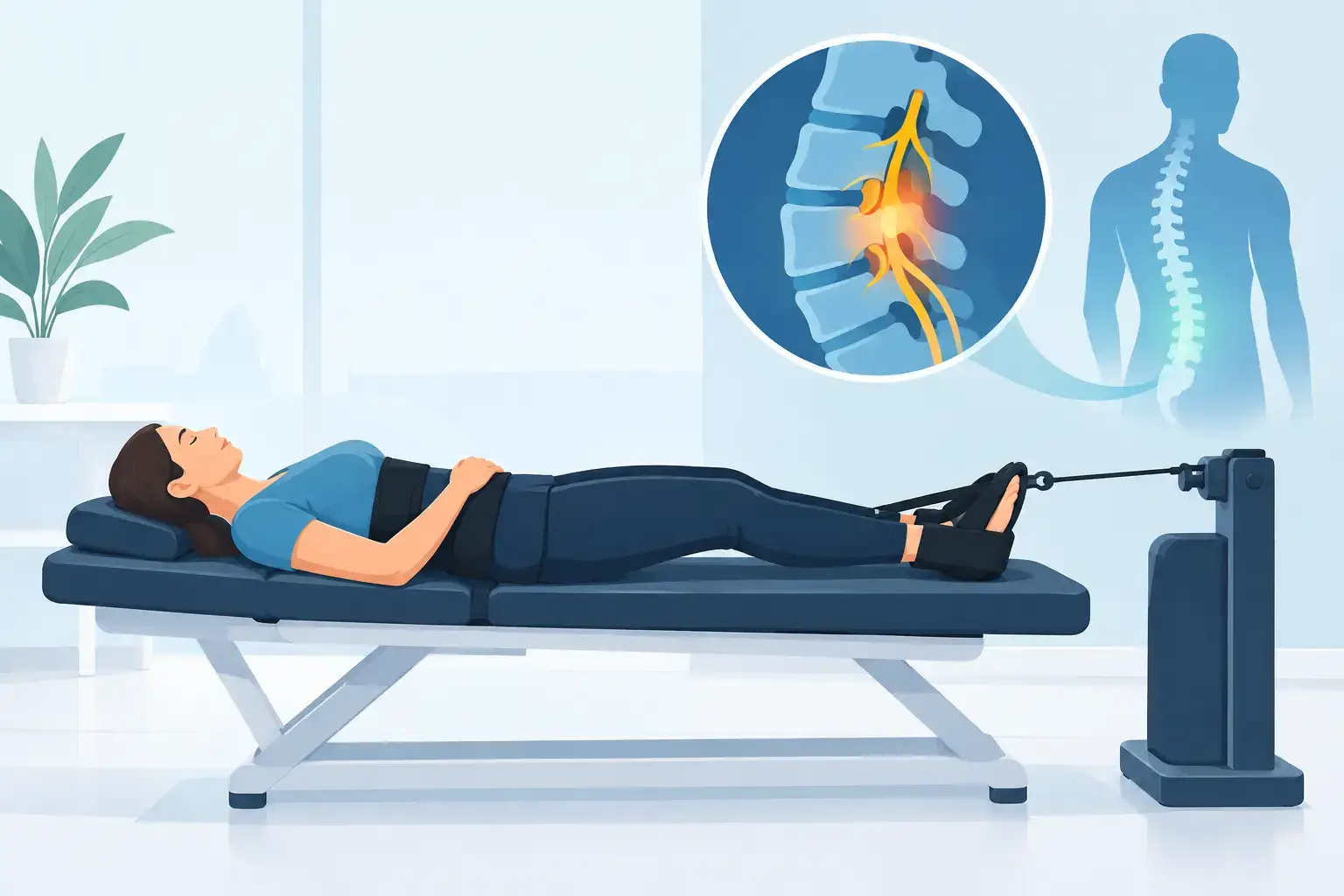
At Westside Spine & Injury, care is built around a personalized plan rather than a one-size-fits-all series of visits. Depending on the evaluation, non-surgical treatment may include gentle chiropractic adjustments, soft-tissue and trigger point therapy, intersegmental traction, interferential electrical stimulation, cervical decompression, and guided movement recommendations.
These therapies are intended to support comfort and function. For example, soft-tissue treatment may help address protective muscle tightness, while traction or decompression may be considered when spinal joint irritation or disc-related symptoms are part of the clinical picture. Electrical stimulation may be used to help manage pain and muscle tension. Your plan should be adjusted as your symptoms and mobility change.
Active treatment also includes practical guidance for daily life. You may need to change how you sit at work, position your headrest, sleep, use your phone, or return to exercise. Small changes can reduce repeated strain while your neck heals.
Movement Should Be Gradual, Not Forced
The phrase “stay active” does not mean ignoring pain signals. Early movement should be gentle, controlled, and appropriate for your condition. For one patient, that may mean short walks and comfortable neck motion throughout the day. For another, it may mean beginning with symptom-relief therapies before adding more activity.
A good recovery plan respects the difference between mild soreness during rehabilitation and sharp, escalating, or radiating pain. If an exercise or activity clearly worsens symptoms, tell your provider so the plan can be modified.
When Rest May Be Enough
A mild neck strain can improve with brief activity modification, ice or heat as recommended, comfortable movement, and time. If pain is steadily improving over several days and you can move your neck normally, formal treatment may not be necessary.
However, “wait and see” becomes less helpful when symptoms interfere with work, driving, sleep, family responsibilities, or normal movement. It is also not the best approach when pain is not improving, headaches persist, or symptoms travel into the shoulder, arm, or hand.
The trade-off is simple: rushing back to demanding activity can aggravate an injury, while too much rest can leave the neck deconditioned and stiff. A professional evaluation helps establish a middle path based on what your body is telling you.
Whiplash Care After a Car Accident
After an auto accident, recovery often involves more than treatment. Patients may be trying to schedule appointments around work, arrange transportation, communicate with an insurance company, and keep track of paperwork while they are in pain.
For personal injury patients, consistent records matter. Documentation may include your initial findings, reported symptoms, treatment recommendations, progress notes, missed-work limitations, and functional improvements. This information can help keep your care organized and give your attorney or insurance representative a clearer picture of the injury and recovery process.
If you are working with an attorney, a clinic experienced in personal injury care can coordinate records and communicate as appropriate. Westside Spine & Injury also assists eligible patients with Letters of Protection, insurance communication, and transportation support, helping remove barriers that might otherwise delay care.
How to Decide What to Do Today
If your neck is mildly sore after a recent impact, avoid heavy activity, keep movement comfortable, and monitor your symptoms closely. If symptoms are moderate, worsening, delayed, or limiting what you can do, schedule an evaluation soon. The earlier you understand the injury, the easier it is to make informed choices about rest, work, driving, and treatment.
You do not have to prove that you are “hurt enough” before asking for help. Whiplash recovery is about reducing pain, restoring mobility, and returning to daily life with confidence. A clear evaluation and a plan matched to your condition can help you focus on healing instead of guessing whether you should keep waiting.