A stiff neck after a car accident can make ordinary tasks feel surprisingly difficult. Looking over your shoulder to change lanes, turning toward a coworker, sleeping comfortably, or picking up a child may trigger pain or a guarded feeling. To restore neck mobility, the goal is not to force movement through pain. It is to identify what is limiting motion, calm irritated tissues, and rebuild comfortable movement with the right level of care.
Neck symptoms can start immediately after a collision, but they do not always appear right away. Adrenaline can mask pain for hours or days, while muscle tightness and inflammation develop afterward. Early evaluation gives you a clearer picture of your condition and creates documentation of your symptoms and treatment from the beginning.
Why It Can Be Hard to Restore Neck Mobility
Your neck is a compact, highly mobile structure. Muscles, joints, discs, nerves, and ligaments work together to support the weight of your head while allowing you to turn, look up, look down, and bend side to side. An abrupt impact can strain several of these structures at once.
Whiplash is a common example. During a rear-end, side-impact, or other collision, the head can move rapidly forward, backward, or sideways. Even at lower speeds, that motion may overstretch muscles and ligaments, irritate the small joints in the cervical spine, and create protective muscle spasms. The body often responds by limiting movement. That guarding is understandable in the short term, but prolonged stiffness can make daily life harder and contribute to recurring discomfort.
Mobility may also be limited by inflammation, trigger points in the upper back and shoulder muscles, poor posture adopted to avoid pain, or nerve irritation. Some people notice headaches at the base of the skull, pain between the shoulder blades, tingling into an arm, or a feeling that their neck catches when they turn. These details matter because the right treatment plan depends on the source and pattern of your symptoms.
Trying to push through a restricted range of motion is not always productive. Stretching aggressively when the area is acutely inflamed can increase soreness. On the other hand, avoiding all movement for too long can allow stiffness and fear of movement to become part of the problem. A measured plan helps balance protection with gradual progress.
Start With a Complete Evaluation
An evaluation is the first step toward a plan that fits your injury, health history, and daily demands. Your provider should ask how the injury occurred, when symptoms began, what movements aggravate them, and whether you have headaches, numbness, weakness, dizziness, or pain that travels into the shoulders or arms.
The physical exam may include posture, cervical range of motion, muscle tenderness, joint movement, strength, reflexes, and orthopedic or neurologic testing when appropriate. This helps distinguish common soft-tissue injuries from symptoms that may need additional medical attention or imaging.
Seek prompt medical assessment, especially after an accident, if you have severe or worsening headache, confusion, fainting, significant dizziness, new weakness, loss of coordination, numbness that is progressing, trouble speaking, chest pain, or changes in bowel or bladder control. These symptoms should not be managed with home exercises alone.
For personal injury patients, an early, thorough evaluation serves another practical purpose: it connects your symptoms to the accident and establishes a clear treatment record. When pain is affecting work, driving, sleep, and family responsibilities, accurate documentation can be as important as symptom relief.
A Plan to Restore Neck Mobility Safely
A productive recovery plan is usually individualized and progressive. The first visits may focus more heavily on reducing pain, muscle tension, and inflammation. As symptoms settle, care can shift toward improving joint movement, restoring strength and control, and helping you return to normal activities without repeated flare-ups.
Reduce irritation before demanding more motion
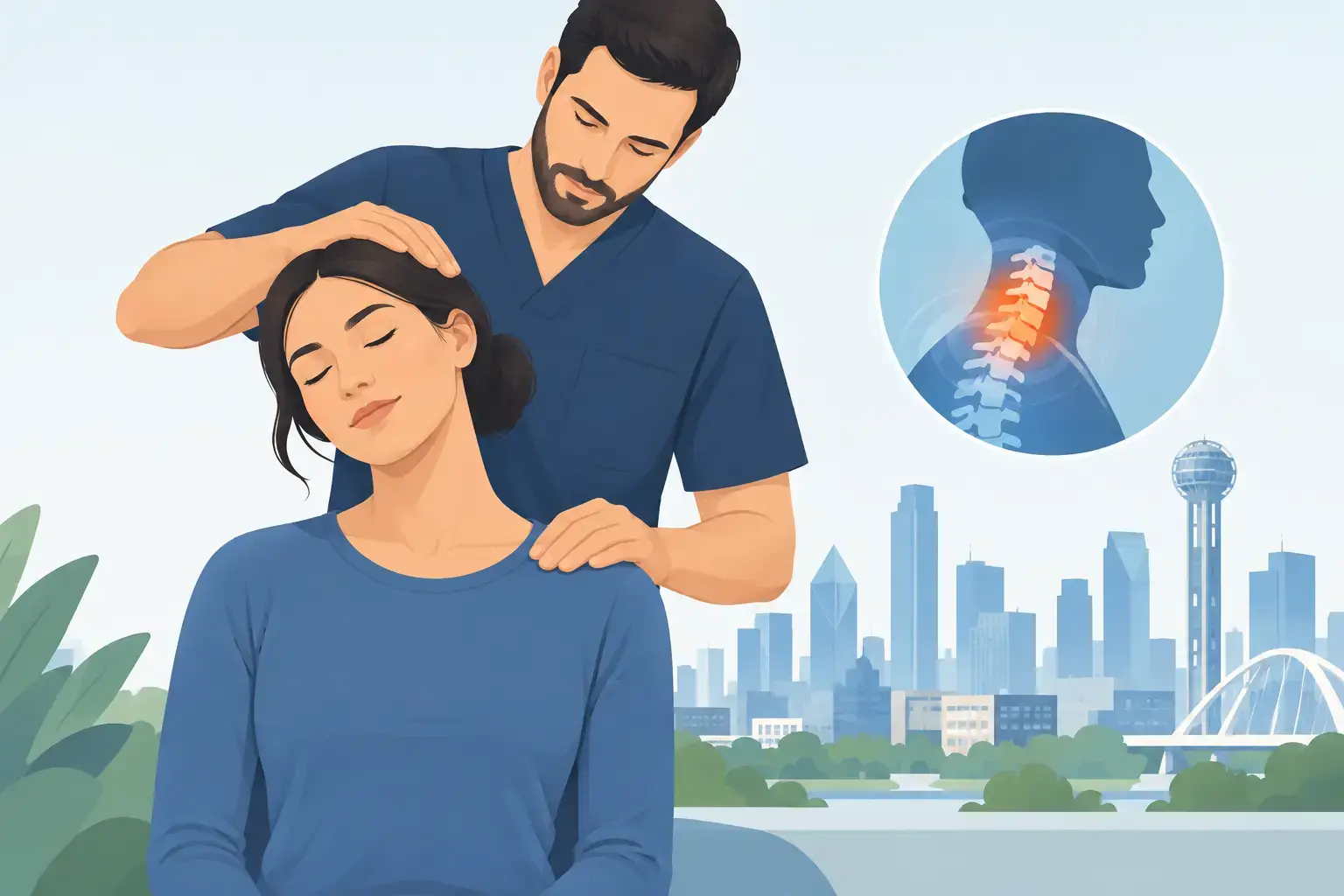
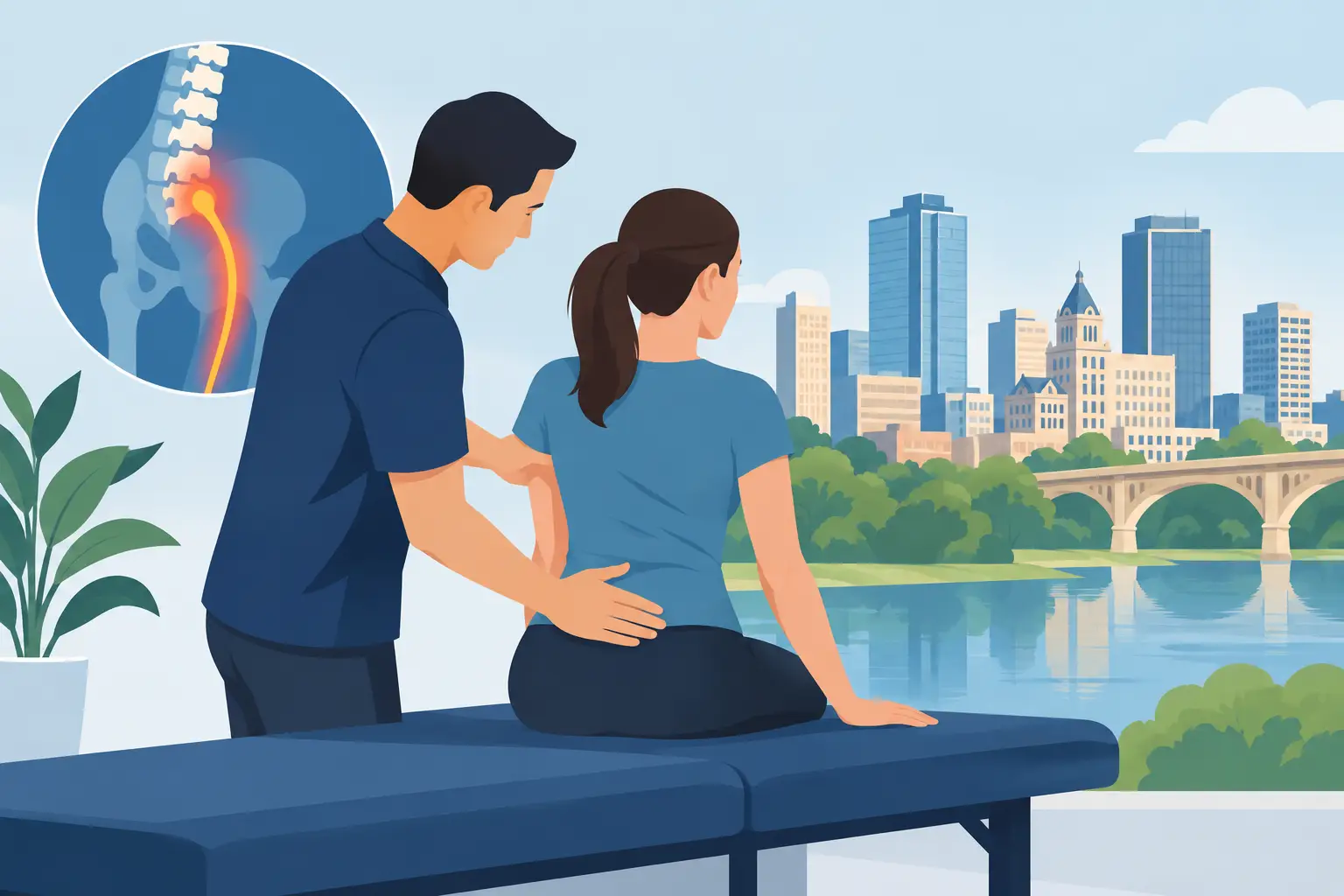
When muscles are in spasm or the cervical joints are irritated, comfortable movement often improves once those tissues are addressed. Depending on your exam findings, non-surgical care may include chiropractic adjustments to improve joint motion, gentle manual therapy, trigger point therapy for tight muscles, and therapies designed to reduce pain and muscle guarding.
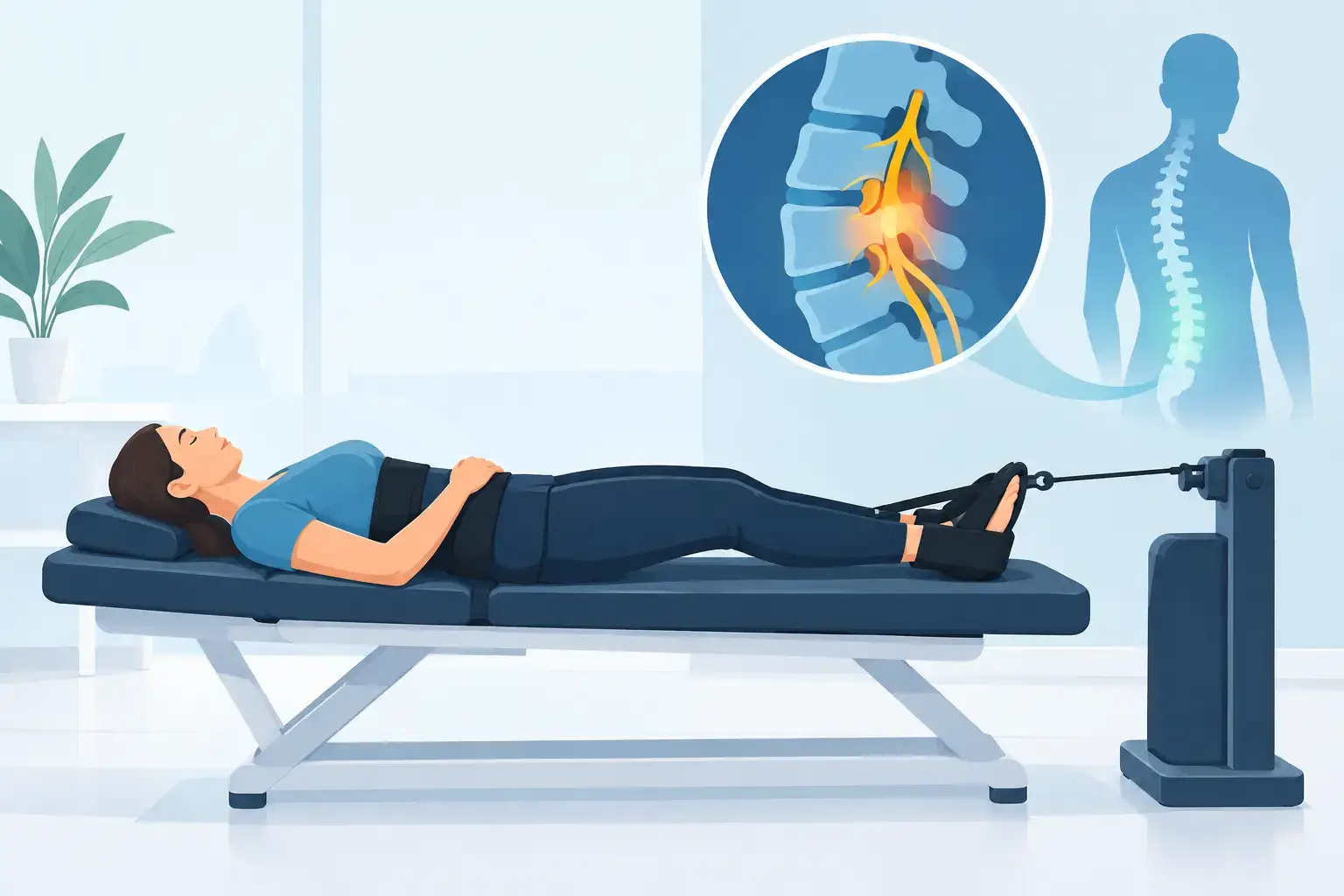
Interferential electrical stimulation may be used to help manage discomfort and support muscle relaxation. Intersegmental traction can provide gentle, supported motion to the spine. Some patients also benefit from cervical decompression when disc-related symptoms or nerve irritation are part of the clinical picture. These options are not interchangeable, and they are not necessary for every neck injury. Your treatment should reflect what your examination shows and how you respond over time.
Reintroduce motion in small, controlled doses
Once acute pain is more manageable, gentle movement can help prevent further stiffness. The right movements should feel controlled and tolerable, not sharp, unstable, or increasingly painful. A provider may recommend simple range-of-motion work such as slowly turning the head within a comfortable range, nodding gently, or bringing an ear toward a shoulder without forcing the stretch.
The key is consistency rather than intensity. Several brief sessions can be easier on an irritated neck than one long stretching session. If a movement causes pain that lingers or symptoms that travel farther into an arm, stop and discuss it with your provider.
Address the shoulders, upper back, and posture
Neck mobility is rarely a neck-only issue. After an injury, people commonly elevate their shoulders, lean forward over a phone or laptop, or hold their head rigidly while driving. This can overload the upper trapezius, levator scapulae, and muscles between the shoulder blades.
Improving upper-back movement and shoulder-blade control can reduce the work your neck has to do. Your plan may include posture coaching, gentle strengthening, and activity modifications that make workstations, driving, and sleep less aggravating. The best position is not one perfectly held posture for hours. It is a supported position you change regularly.
What Recovery Can Look Like Week to Week
Recovery is not always a straight line. You may notice steady improvement for several days, then feel more sore after a busy work shift, a long commute, poor sleep, or an attempt to return to exercise too quickly. A temporary increase in tightness does not automatically mean you have reinjured your neck, but it is useful information for adjusting your plan.
In the early phase, meaningful progress may look like being able to check blind spots with less discomfort, sleeping longer before waking from pain, or needing fewer breaks at your desk. Later, goals may include returning to the gym, carrying groceries, working a full shift, or driving without apprehension.
Keep your provider informed about changes in symptoms and function. Pain ratings are helpful, but daily function often tells the fuller story. If your job requires lifting, long hours at a computer, frequent driving, or physical labor, your recovery plan should account for those demands rather than offering generic advice.
Do Not Let Logistics Delay Your Care
After a crash, it is easy for treatment to get pushed behind vehicle repairs, missed work, insurance calls, and attorney appointments. Yet waiting until stiffness becomes chronic can make recovery more complicated. Organized care gives you a place to address both the clinical and practical sides of an injury.
For accident patients in Fort Worth and nearby communities, Westside Spine & Injury provides individualized non-surgical treatment along with support for personal injury documentation, insurance communication, Letters of Protection, and attorney coordination. Transportation assistance and bilingual service can also reduce barriers when pain, scheduling, or paperwork are already adding stress.
Your care plan should be clear: what is being treated, why it is recommended, how progress will be measured, and when the plan will be reassessed. You deserve to understand each step without feeling rushed or left to manage the process alone.
Support Your Neck Between Visits
Treatment is most effective when daily habits support the recovery process. Use a supportive sleep position that keeps your neck close to neutral, and avoid stacking pillows so high that your head is forced forward. Take regular movement breaks during desk work or long drives. When using your phone, bring it closer to eye level instead of repeatedly bending your neck down.
Stay within the activity level your provider recommends. Complete rest may be appropriate briefly after a significant injury, but prolonged inactivity can increase stiffness. At the same time, returning to heavy lifting, contact sports, or intense workouts before your neck can tolerate them may delay progress. The right pace depends on your symptoms, examination findings, and the physical demands of your life.
Restoring neck movement is not about proving you can tolerate pain. It is about giving an injured area the attention, guided care, and steady progression it needs so you can move through work, driving, family life, and the rest of your day with more comfort and confidence.