A rear-end collision can leave you with more than a stiff neck. In the days or weeks after an accident, pain may spread into the shoulder, arm, or hand. Turning your head while driving can become difficult, and headaches may start interrupting work, sleep, and family time. Thoughtful cervical disc care helps identify what is driving those symptoms and creates a clear path toward reducing pain and restoring mobility.
The cervical spine is the seven-bone section of the spine in your neck. Between most of those bones are discs that cushion movement and help the neck handle everyday forces. When a disc is irritated or injured, the goal is not to push through pain or guess at a solution. The goal is to understand the injury, protect function, and use the right level of conservative care while monitoring how your body responds.
What Cervical Disc Problems Can Feel Like
A cervical disc can become strained, bulge beyond its usual boundary, or herniate when its inner material presses outward. Trauma such as a car accident can contribute to this process, but repetitive posture, age-related changes, prior injuries, and physically demanding work can also play a role. Symptoms vary because every disc issue is different, and not every neck pain episode is caused by a disc.
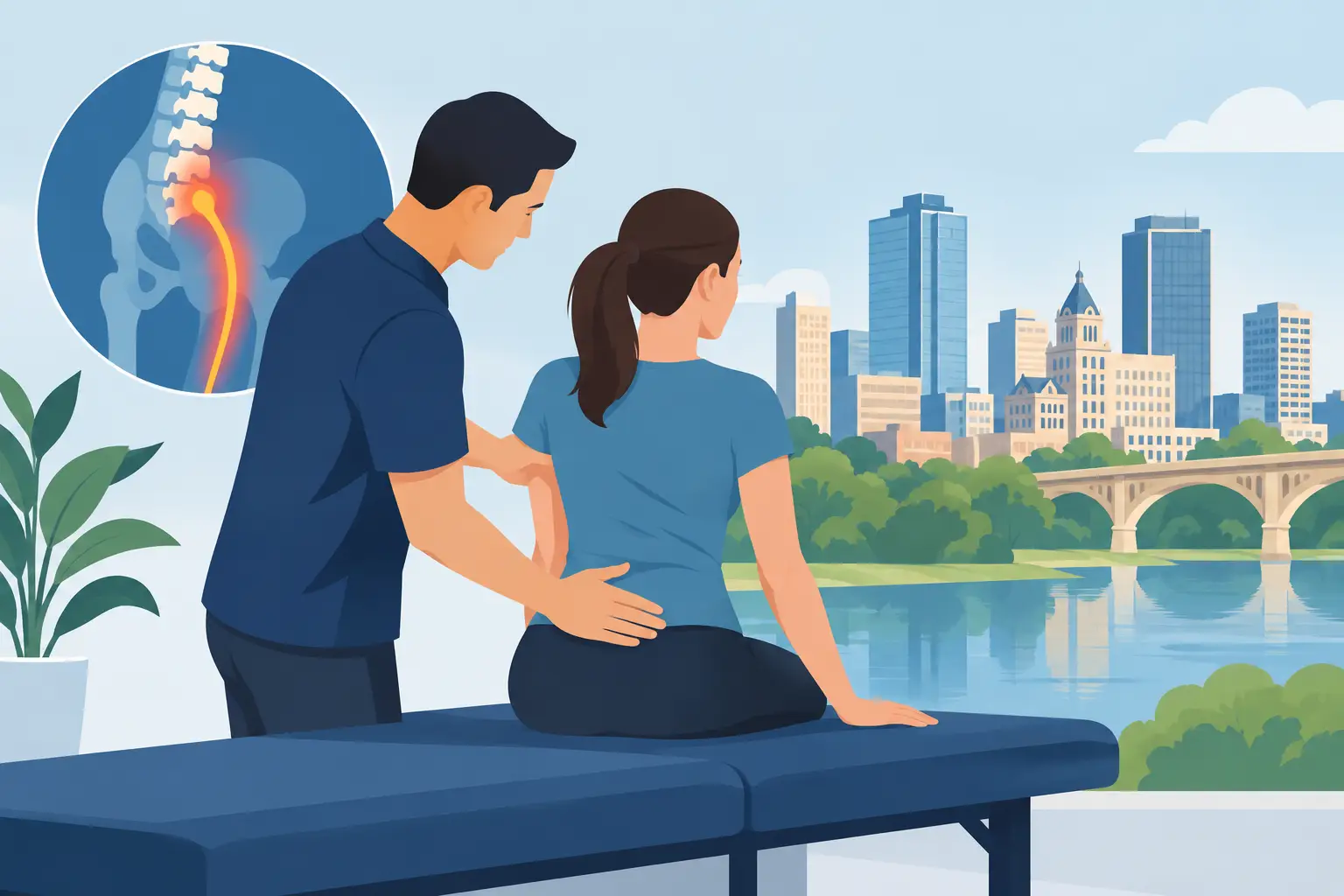
Disc-related irritation may cause neck pain that feels sharp, aching, or persistently tight. Some people notice pain between the shoulder blades, while others feel burning, tingling, numbness, or weakness traveling down one arm. This can happen when inflammation or disc material irritates a nearby nerve root.
Headaches, reduced range of motion, and muscle guarding are also common after a collision. The muscles around the neck often tighten to protect an injured area, but that protection can eventually make movement more limited and uncomfortable. A complete evaluation helps separate possible disc symptoms from whiplash, joint irritation, muscle injury, or a combination of concerns.
When Neck Pain Needs Prompt Attention
Most neck pain can be assessed through a scheduled clinical evaluation, but certain symptoms deserve urgent medical attention. Seek emergency care for sudden or worsening arm or leg weakness, loss of coordination, difficulty walking, new bowel or bladder changes, severe unrelenting pain after major trauma, or numbness affecting both sides of the body.
These symptoms do not automatically mean a serious spinal condition, but they should not be managed with home remedies alone. If you have recently been in an auto accident, it is also wise to get evaluated even when symptoms initially seem mild. Adrenaline can mask pain, and delayed stiffness or nerve symptoms are common.
Cervical Disc Care Starts With a Complete Evaluation
Effective care begins with listening. Your provider should ask how the injury happened, where symptoms travel, what movements aggravate them, and how pain is affecting work, driving, sleep, and daily responsibilities. For personal injury patients, documenting those details early can also provide a clearer record of the condition and its progression.
A physical examination may include range-of-motion testing, orthopedic and neurological checks, posture assessment, and evaluation of muscle tension and joint movement. Depending on your symptoms and injury history, imaging or medical referral may be appropriate. Imaging can be useful when there are significant neurological findings, trauma-related concerns, or symptoms that do not improve as expected, but it is not automatically required for every painful neck.
This evaluation matters because treatment should match the patient. A person with acute pain and guarding may need a gentler starting point than someone with longstanding stiffness and no nerve symptoms. The best plan is not simply the most aggressive plan. It is the one that supports healing without aggravating an already sensitive area.
Non-Surgical Options for Cervical Disc Care
For many patients, conservative treatment is the appropriate first step. Care is designed to calm inflammation, reduce mechanical stress, improve movement, and help the surrounding muscles support the neck more effectively. Progress should be measured by more than pain alone. Better sleep, safer driving, fewer headaches, improved arm comfort, and an easier return to normal activity all matter.
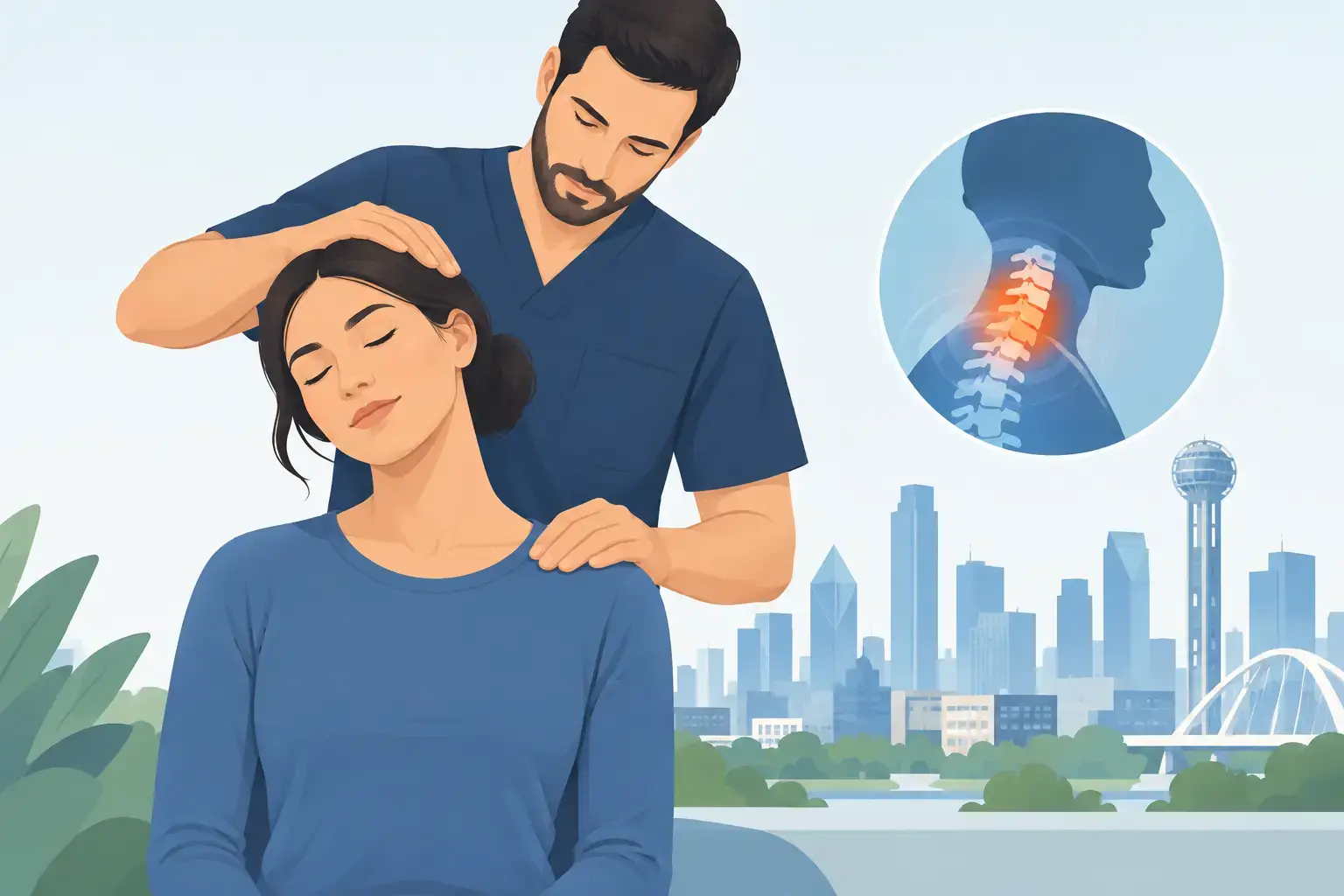
Chiropractic adjustments may be used when clinically appropriate to address restricted joint motion and improve spinal mechanics. Techniques should be selected based on the patient’s examination findings, tolerance, and stage of recovery. After a recent injury or with certain disc presentations, low-force or modified approaches may be preferable.
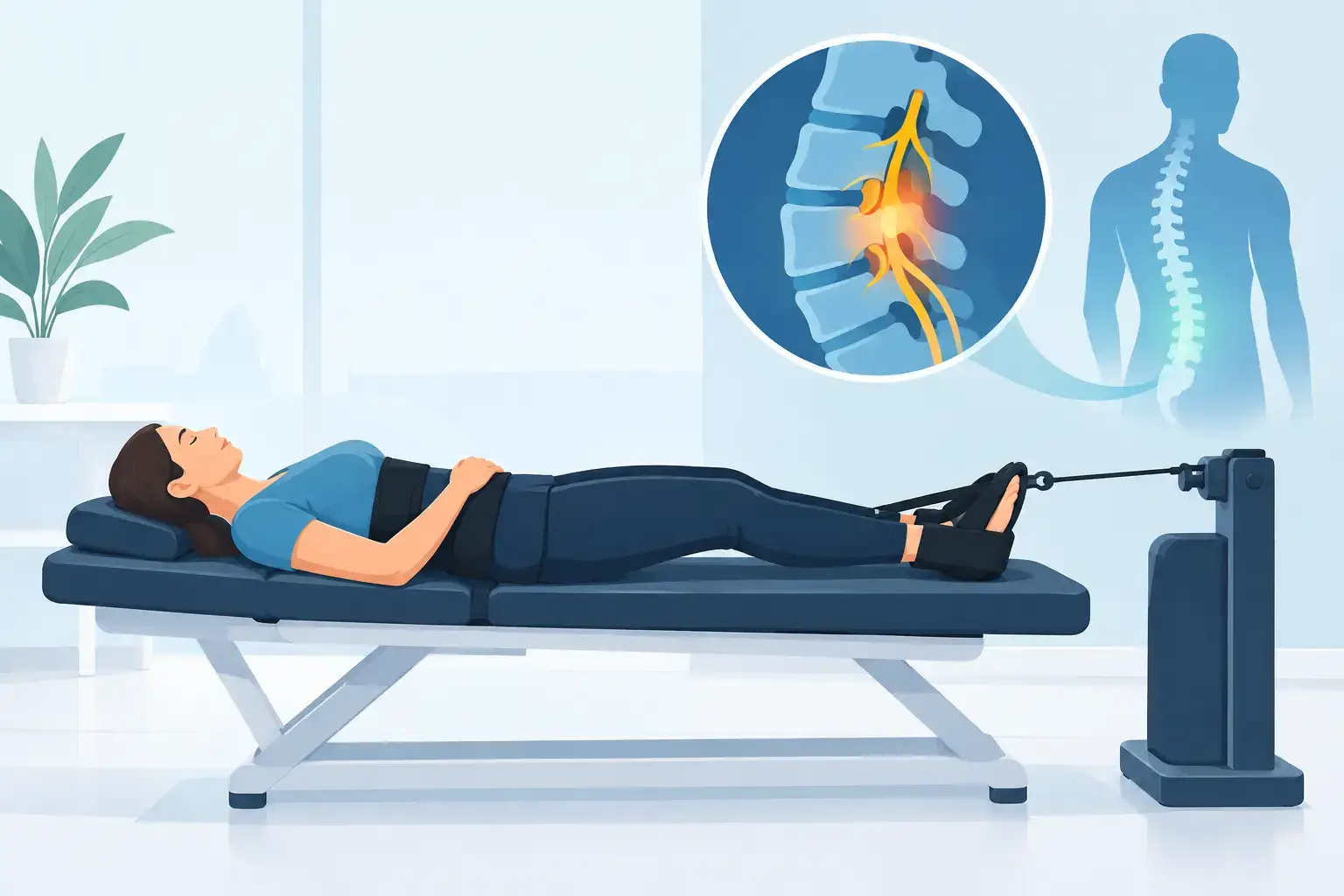
Cervical decompression can be considered for some patients with disc-related neck or radiating arm symptoms. This treatment uses controlled traction to gently reduce pressure through the neck. It is not a one-size-fits-all answer, and it is not appropriate for every condition, but it may be part of a personalized plan when the examination supports it.
Intersegmental traction may help promote gentle movement through the spine, while interferential electrical stimulation can help address pain and muscle tension. Trigger point therapy may be useful when tight, sensitive muscles are contributing to headaches, restricted movement, or shoulder pain. These therapies work best as parts of a coordinated plan rather than isolated appointments with no reassessment.
As symptoms improve, guided movement and home recommendations become increasingly valuable. The right exercises can help restore control, endurance, and confidence in daily motion. The wrong exercises, especially when started too early or performed through sharp radiating pain, can increase irritation. That is why individualized guidance matters.
Daily Habits That Support Neck Recovery
Clinical treatment has greater impact when it is supported by practical habits between visits. You do not need to hold your neck perfectly still. In many cases, gentle, tolerable movement is better than prolonged guarding. The key is avoiding movements or activities that repeatedly produce sharp pain, numbness, or arm symptoms.
Pay attention to the positions that occupy the most time. Looking down at a phone, working with a laptop too low, cradling a phone between your shoulder and ear, or sleeping with the neck twisted can keep an irritated area under stress. Small adjustments, such as bringing screens closer to eye level, using a headset, taking brief movement breaks, and choosing a pillow that keeps the neck comfortably aligned, can reduce unnecessary strain.
Heat or ice may provide temporary comfort depending on the stage of injury and your response. Neither replaces evaluation or treatment, especially after an accident. Avoid trying to force a stiff neck to “pop” or relying on forceful self-manipulation when you have radiating pain, dizziness, or new neurological symptoms.
Recovery After an Auto Accident Requires Organization
After a crash, pain is only one part of the problem. Patients may also be managing insurance calls, missed work, attorney questions, transportation barriers, and uncertainty about what records are needed. Delays in care can make it harder to track symptoms and document the connection between an accident and the treatment required.
Westside Spine & Injury provides non-surgical treatment alongside practical case-management support for Fort Worth-area personal injury patients. That can include thorough documentation, communication with attorneys and insurance representatives, Letters of Protection support, and transportation assistance when available. The purpose is simple: reduce administrative stress so patients can focus on healing.
A well-organized treatment plan also creates regular opportunities to reassess progress. If symptoms are improving, care can evolve toward restoring function and preventing setbacks. If pain is not responding as expected, the plan can be adjusted and referral considered when necessary. Good care does not promise a fixed recovery timeline. It responds to the person in front of you.
What to Expect From a Personalized Plan
Recovery from a cervical disc condition depends on the nature of the injury, the presence of nerve irritation, overall health, work demands, and how consistently the plan can be followed. Some people improve steadily in a matter of weeks. Others need a longer course of care, especially when symptoms have been present for months or an accident aggravated a preexisting condition.
The most useful next step is an evaluation that gives your symptoms a name, explains your options in plain language, and identifies appropriate treatment. Neck pain may feel like it has put your life on hold, but a structured plan can help you move forward with more comfort, confidence, and control.