A rear-end collision at a Fort Worth stoplight can leave you shaken but able to walk away. Then, later that day or the next morning, turning your head becomes difficult, a headache begins, and your upper back feels tight. This Fort Worth whiplash treatment guide explains what may be happening, when to seek care, and how a structured recovery plan can help you reduce pain, restore mobility, and focus on healing.
Whiplash is not simply a sore neck. It is an injury caused by a rapid back-and-forth motion of the head and neck, often during a motor vehicle collision. That movement can strain muscles and ligaments, irritate joints, and affect the soft tissues that support the cervical spine. Symptoms can be mild at first, which is one reason people sometimes postpone an evaluation.
Why Whiplash Symptoms Can Be Delayed
During an accident, adrenaline and stress can mask discomfort. Inflammation and muscle guarding may build over the following hours or days, creating pain after you thought you were unharmed. Delayed symptoms do not mean the injury is unimportant. They are a reason to pay attention and get evaluated promptly.
Common whiplash symptoms include neck stiffness, reduced range of motion, shoulder or upper-back pain, headaches, dizziness, and tenderness along the neck. Some people also notice jaw discomfort, fatigue, trouble concentrating, numbness or tingling, or pain that travels into the arms. The exact symptoms depend on the force of the collision, your position in the vehicle, prior injuries, and your overall health.
A low-speed crash can still cause meaningful injury. Vehicle damage does not always show how much force reached your body, especially when the neck was unprepared for impact.
When to Seek Urgent Medical Attention
Whiplash should be assessed, but certain symptoms need urgent medical evaluation rather than waiting for a routine appointment. Seek immediate care for severe or worsening headache, loss of consciousness, confusion, fainting, trouble speaking, significant weakness, loss of balance, chest pain, difficulty breathing, or loss of bladder or bowel control.
New or worsening numbness, tingling, or weakness in an arm or leg also deserves prompt attention. These symptoms can indicate conditions beyond a straightforward soft-tissue injury. A careful provider can help determine the appropriate next step and whether additional medical assessment or imaging is needed.
Fort Worth Whiplash Treatment Guide: Start With an Evaluation
The first productive step is a comprehensive evaluation. Rather than treating every post-accident neck injury the same way, your provider should review the collision, your symptoms, health history, movement limitations, and daily responsibilities. The goal is to identify where pain is coming from, document your condition clearly, and build care around your needs.
An evaluation may include posture and range-of-motion testing, orthopedic and neurological assessments, and a review of symptoms such as headaches or radiating pain. If your presentation suggests that imaging or another medical referral is appropriate, that decision should be made early. A personalized treatment plan is more useful than guessing based on how the pain feels on one particular day.
For personal injury patients, early documentation matters as well. Clear records can show when symptoms began, how they changed, what treatment was recommended, and how the injury affected work, driving, sleep, family life, and normal activities. This documentation supports continuity of care and can be important when an insurance claim or legal case is involved.
What Non-Surgical Whiplash Care May Include
Whiplash recovery is usually not about one treatment or one appointment. It is about applying the right combination of therapies at the right pace. The plan should be adjusted as pain, inflammation, and movement improve.
Chiropractic adjustments may be used when clinically appropriate to address restricted spinal joint movement and help improve mobility. Gentle, targeted care is particularly valuable when a patient is dealing with stiffness and protective muscle tension after an accident. The approach should reflect the severity of the injury and how your body responds, not a one-size-fits-all schedule.
Supportive therapies can help calm irritated tissues and prepare the body to move more comfortably. Interferential electrical stimulation may help reduce pain signals and muscle spasm. Trigger point therapy can address tender, tight areas in the neck, shoulders, and upper back that often develop after whiplash. Intersegmental traction may support spinal mobility and circulation through gentle, controlled movement.
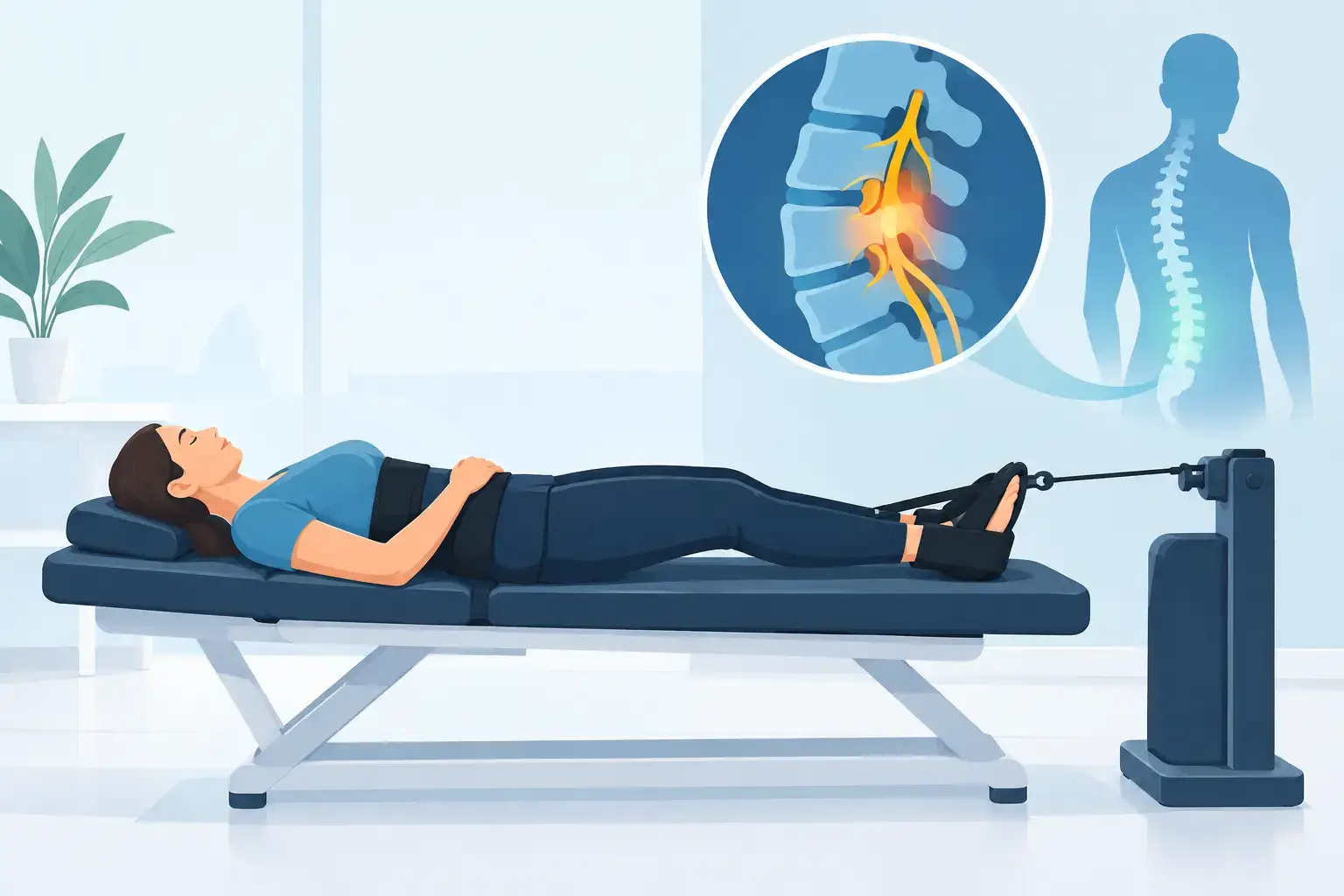
For some patients, cervical or spinal decompression may be considered when neck pain is accompanied by disc-related symptoms or nerve irritation. It is not the right answer for every type of whiplash, which is why an individual assessment matters. Your care plan should explain what each therapy is intended to address and how progress will be measured.
As symptoms settle, guided mobility work and practical activity recommendations can help you return to normal movement without overdoing it. Complete rest for an extended period can lead to more stiffness for some people, while pushing through sharp pain can aggravate an injury. The right balance depends on your exam findings, work demands, and recovery response.
What to Do Between Appointments
The early days after an accident are often uncomfortable and confusing. Follow the activity recommendations given by your provider, and avoid using pain relief as a reason to immediately return to heavy lifting, intense workouts, or physically demanding work. Pay attention to your symptoms instead of trying to “tough it out.”
Simple habits can also make a difference. Keep your neck in a comfortable, neutral position while working or using your phone, take short movement breaks instead of staying in one position too long, and use pillows that support restful sleep without forcing your neck into an awkward angle. If you are unsure whether heat, cold, massage, exercise, or a particular activity is appropriate for your injury, ask before trying it.
It also helps to keep a brief record of symptoms. Note headaches, sleep disruption, pain levels, missed work, and tasks that have become difficult. This gives your treatment team a clearer picture of what is improving and what still needs attention.
Recovery Timelines Are Personal
Some people improve substantially in a few weeks. Others need a longer course of care, especially when the collision aggravated prior neck or back problems, caused significant muscle guarding, or involved radiating symptoms and headaches. Recovery may not feel linear. You can have a better week followed by a flare-up after a long drive, a busy workday, or poor sleep.
The useful question is not whether you feel perfect after a few visits. It is whether pain, function, range of motion, and tolerance for daily activities are trending in the right direction. Ongoing reassessment helps your provider modify care based on objective changes and your real-life goals.
Help With the Details After a Car Accident
After an accident, treatment is only one part of the situation. Patients may also be managing insurance calls, vehicle issues, missed work, and communication with an attorney. Those pressures can make it harder to stay consistent with care.
Westside Spine & Injury provides non-surgical, individualized injury care alongside practical case-management support. For qualifying personal injury cases, the team can coordinate documentation, communicate with attorneys and insurance representatives, work with Letters of Protection, and assist with transportation needs. Bilingual service and appointment availability help make the process more accessible when you need care quickly.
You do not have to decide your entire recovery plan on the day of the accident. You only need to take the next responsible step: get evaluated, explain every symptom clearly, and give your body the organized support it needs to heal with confidence.