A sharp pain down the leg when you stand from the car, tingling into the hand after a rear-end collision, or numbness that makes sitting through work difficult can feel alarming. Can traction ease nerve pressure? For some people, carefully selected traction can help reduce symptoms associated with spinal compression, irritated nerve roots, and disc-related pain. It is not a one-size-fits-all solution, though. The right approach starts with understanding what is creating the pressure and whether traction is appropriate for your injury.
What Nerve Pressure in the Spine Can Feel Like
Nerves leave the spinal canal through small openings between the vertebrae. When a disc bulges or herniates, swelling develops after an injury, or nearby joints and muscles become irritated, the space around a nerve can narrow. This may lead to pain that stays in the neck or back, but it can also travel.
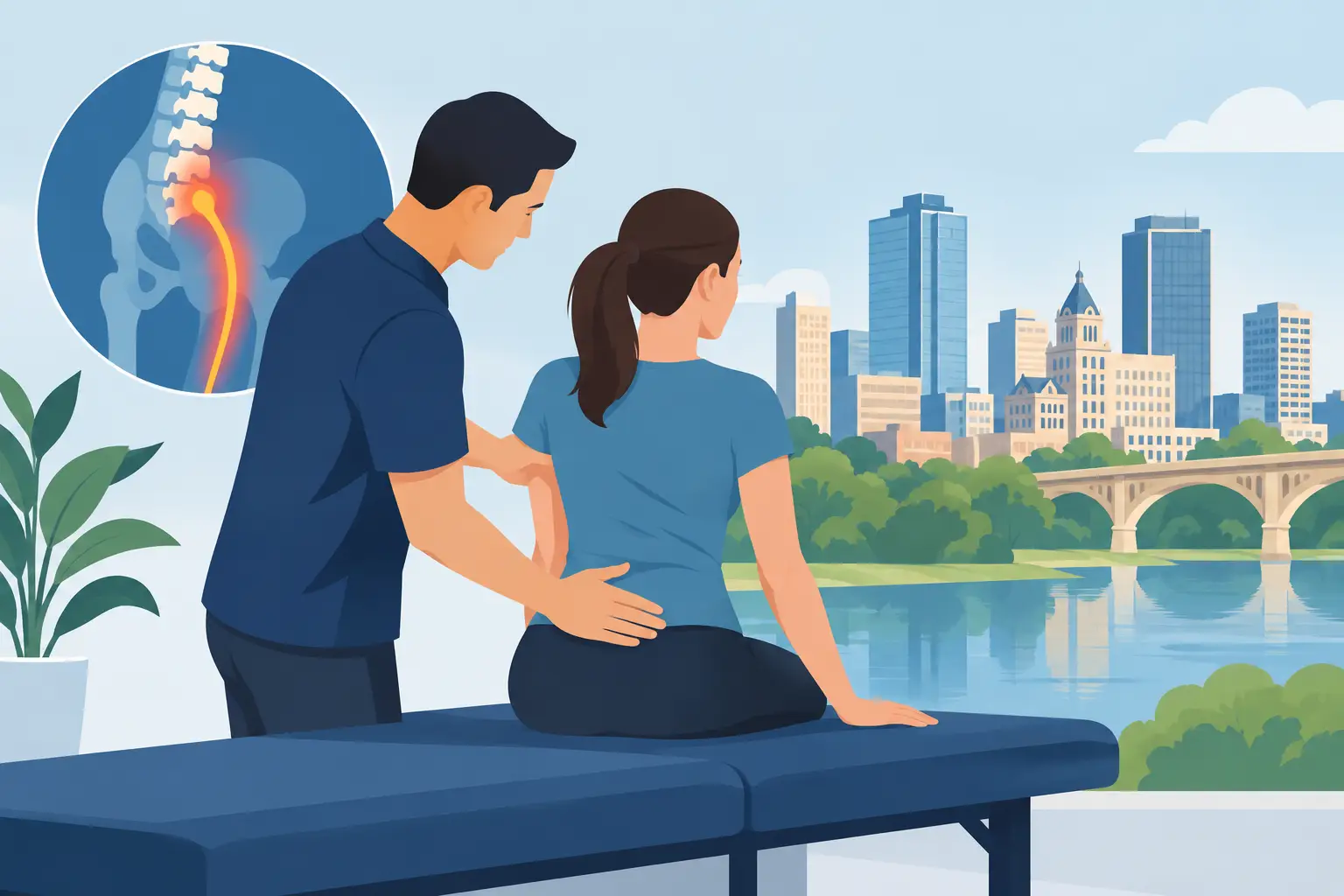
In the neck, nerve irritation may cause pain, tingling, numbness, or weakness through the shoulder, arm, or hand. In the lower back, it may contribute to sciatica: burning, aching, tingling, or shooting pain that travels through the buttock and down the leg. Symptoms can fluctuate based on posture, movement, inflammation, and the stage of healing.
After an auto accident, symptoms do not always appear immediately. A patient may leave the scene feeling sore but functional, then develop worsening stiffness, headaches, arm symptoms, or low-back pain over the following days. An evaluation helps distinguish ordinary muscle soreness from signs that may require more focused care or referral.
Can Traction Ease Nerve Pressure?
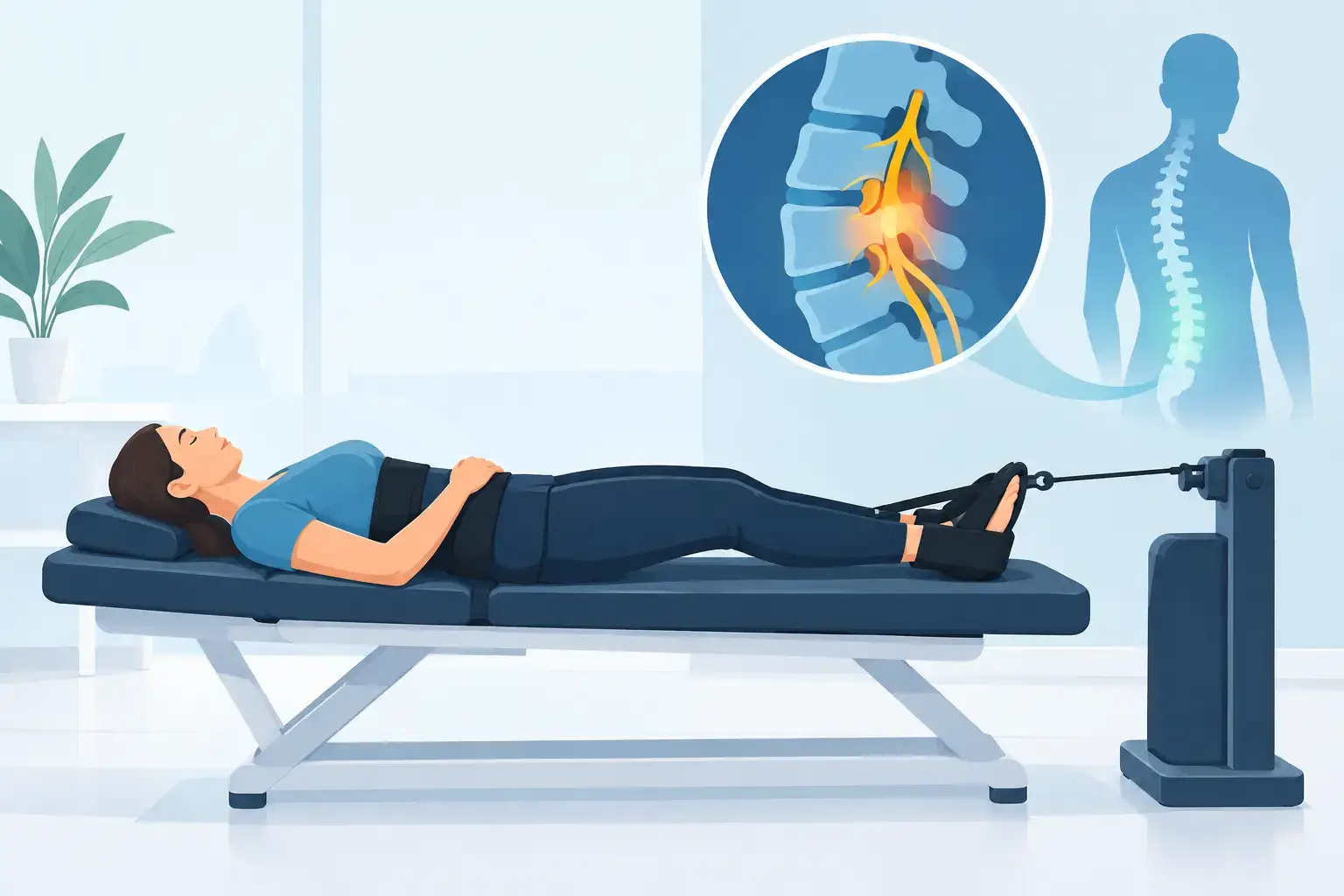
Traction is a controlled, gentle pulling force applied to the spine. Depending on the area being treated, it may create temporary space between spinal segments, reduce loading on irritated structures, and help relax protective muscle tension. When a nerve is being aggravated by disc-related pressure or joint compression, that change in pressure may reduce pain, tingling, or radiating symptoms for some patients.
The key word is may. Traction does not physically “put every disc back in place,” and it is not a guaranteed fix for every cause of nerve pain. Research and clinical results vary because nerve symptoms have many possible sources. Still, when traction is matched to the right diagnosis and used as part of a broader treatment plan, it can be a useful non-surgical option.
A patient with a recent disc flare and leg pain, for example, may respond differently than someone whose symptoms are driven primarily by severe arthritis, a shoulder condition, peripheral nerve entrapment, or another medical issue. The goal is not simply to apply traction. The goal is to reduce pain, restore mobility, and help the body tolerate normal movement again.
Cervical traction for neck and arm symptoms
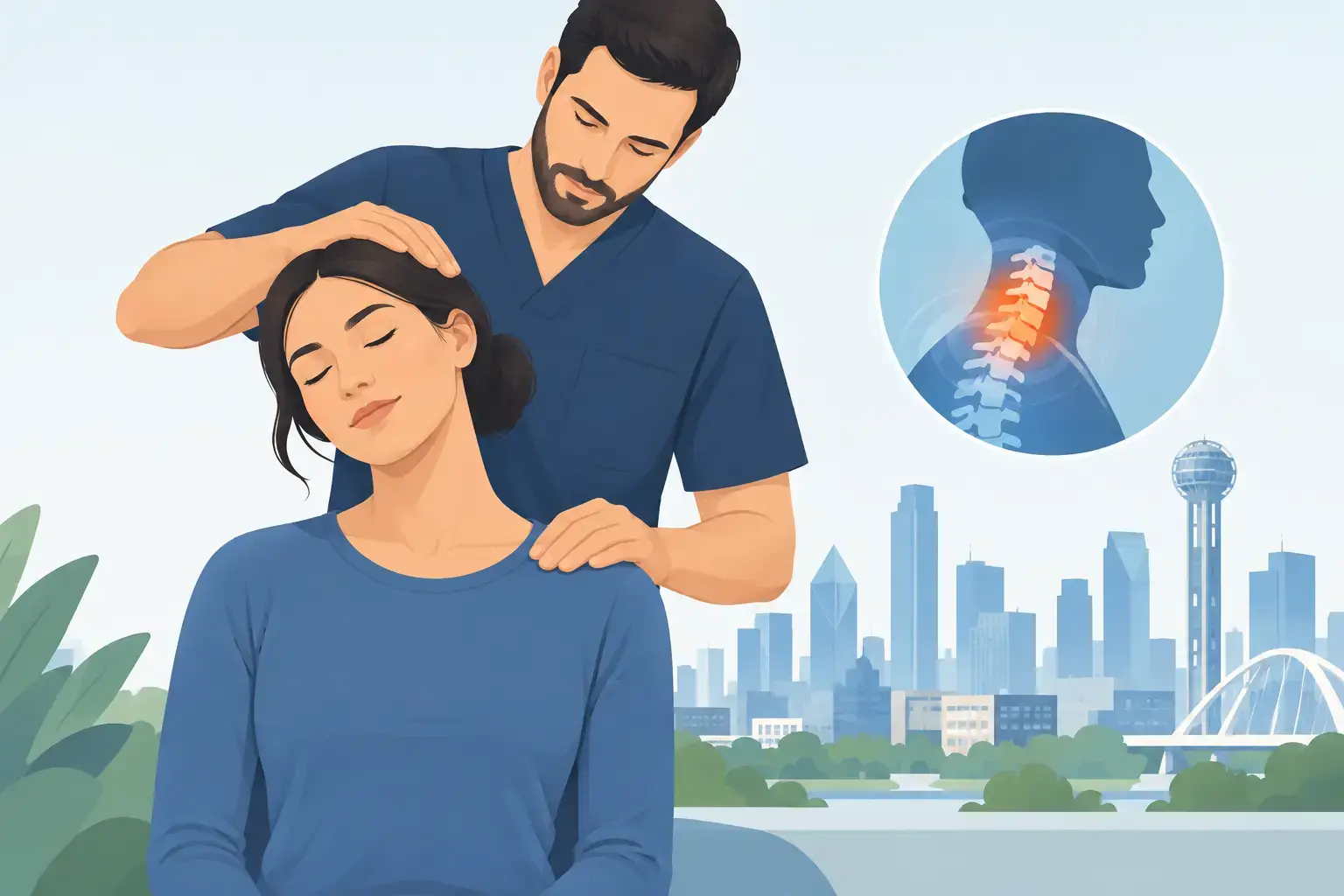
Cervical traction focuses on the neck. It may be considered for patients with neck pain that travels into the shoulder, arm, or hand, particularly when examination findings suggest irritation around a cervical nerve root. By gently unloading the neck, traction may provide short-term symptom relief and make it easier to begin mobility work, therapeutic exercise, or other hands-on care.
This can be especially relevant after whiplash, but whiplash injuries are not all alike. Some patients need a very gentle approach at first because inflammation and muscle guarding are significant. Others may need treatment directed more toward soft-tissue tension, restricted joints, or headaches. A careful exam guides the decision.
Lumbar traction for sciatica and leg pain
Lumbar traction is directed at the low back. It may help certain people whose low-back pain is accompanied by radiating pain, numbness, or tingling in the buttock or leg. The position, amount of force, and duration all matter. Treatment should be adjusted based on your symptoms during and after each visit.
Relief can be immediate for some patients and gradual for others. If symptoms worsen, centralize poorly, or fail to respond as expected, the care plan should be reassessed rather than repeated automatically.
Traction Works Best as Part of a Personalized Plan
A traction session is usually not the whole answer. Nerve irritation often involves more than pressure alone. Inflammation, muscle spasm, limited joint motion, poor movement patterns, and reduced activity after an accident can keep pain going even after the initial injury.
A structured plan may combine traction or spinal decompression with chiropractic adjustments when appropriate, trigger point therapy, interferential electrical stimulation, mobility work, and guided rehabilitation. Each service has a different purpose. Traction may reduce mechanical stress; soft-tissue treatment can address guarding and tension; movement-based care helps build confidence and function as symptoms improve.
Intersegmental traction is another form of supportive care that uses gentle movement to mobilize the spine. It is generally different from higher-force decompression approaches and may be used to promote comfort, circulation, and spinal mobility. Your provider should explain what type of traction is being recommended and what it is intended to address.
Progress should be measured by more than a pain score. Useful signs include sleeping more comfortably, sitting or driving longer, turning the head with less restriction, walking without leg pain, returning to work tasks, and relying less on protective movements. Those changes show whether treatment is helping you move through daily life with more confidence.
When Traction May Not Be the Right Choice
Traction is not appropriate for every patient or every stage of injury. Certain conditions require caution, modified care, imaging, medical clearance, or referral. These can include suspected fracture, spinal instability, severe osteoporosis, active infection, some inflammatory conditions, certain cancers, or progressive neurological deficits.
New or worsening weakness, loss of bowel or bladder control, numbness in the groin or saddle area, major balance changes, or severe pain after significant trauma require prompt medical attention. These symptoms should not be managed by trying traction at home.
Even without emergency warning signs, persistent numbness, recurring radiating pain, or symptoms that interfere with work, sleep, and normal activity deserve a professional evaluation. Proper testing helps determine whether the source appears spinal, muscular, joint-related, or outside the spine altogether.
Why an Evaluation Matters After an Accident
After a collision, it is tempting to wait and see if soreness disappears. But early assessment can document your condition, identify movement restrictions, and establish a treatment plan before compensation patterns and inflammation become more difficult to manage. This is particularly helpful when pain is affecting your ability to drive, work, care for family, or meet the physical demands of your job.
For personal injury patients, organized records also matter. Clear evaluation findings, treatment notes, progress updates, and communication with the appropriate parties can help keep care aligned with the practical demands of an insurance claim or legal case. Your recovery should not be delayed by uncertainty about where to start or how your treatment will be documented.
At Westside Spine & Injury, traction and decompression are considered within an individualized, non-surgical recovery plan. The focus is on matching care to your symptoms, monitoring your response, and helping reduce pain while restoring movement safely.
What to Expect During a Traction Visit
Your first visit should begin with a conversation about how the symptoms started, where they travel, what makes them better or worse, and how they affect daily activities. The provider may assess posture, range of motion, muscle tension, reflexes, sensation, and strength. If findings suggest that traction is not appropriate, a different treatment path or referral may be recommended.
During treatment, you should feel supported and comfortable, not forced into a painful position. Mild stretching or a sense of relief can occur, but sharp pain, increasing numbness, dizziness, or worsening radiating symptoms should be reported right away. Your feedback helps guide the treatment intensity and the next steps in your plan.
Nerve pain can make simple routines feel uncertain. A timely evaluation can clarify whether traction may be part of your recovery, provide a plan built around your injury, and help you take the next step toward moving more comfortably again.