A car accident can leave you shaken even when the vehicle damage looks minor. Hours or days later, neck stiffness, headaches, low back pain, shoulder tension, numbness, or reduced movement may begin to interfere with work, sleep, and family life. The benefits of chiropractic care after a car accident can include identifying musculoskeletal injuries early, reducing pain, restoring mobility, and creating a clear plan for recovery.
Chiropractic care is not a substitute for emergency medical treatment. If you have severe pain, loss of consciousness, confusion, worsening weakness, trouble breathing, chest pain, or other urgent symptoms, seek emergency care right away. Once serious injuries have been ruled out or addressed, a chiropractic evaluation can help determine whether the collision affected your spine, joints, muscles, and surrounding soft tissues.
Why Pain Can Appear After the Crash
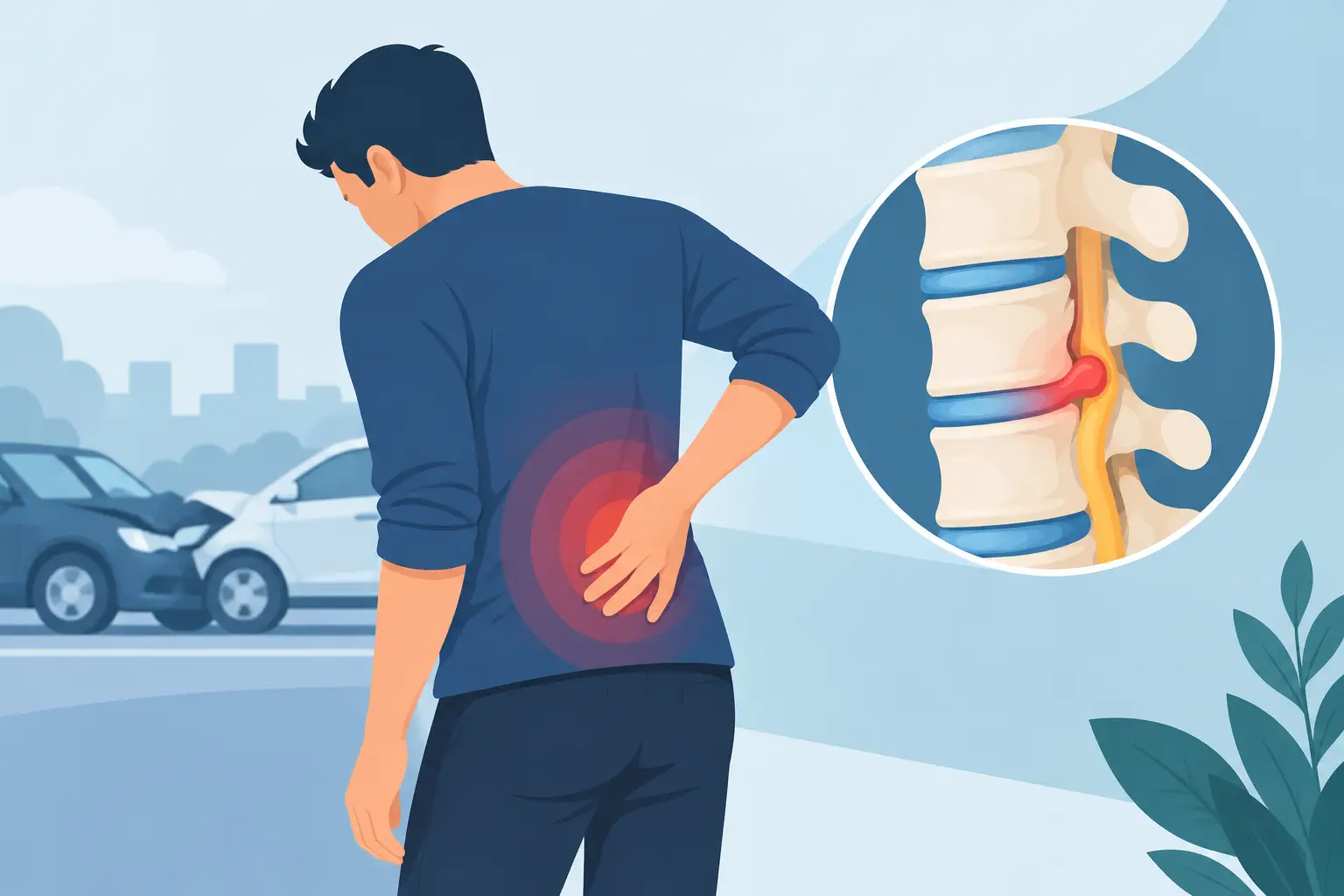
During a collision, the body can be pushed forward, backward, or sideways with more force than it seems in the moment. Muscles may tense to protect the body, while the neck, back, and shoulders absorb sudden motion. Adrenaline can also mask pain immediately after an accident, which is why some people feel relatively normal at the scene but wake up sore the next morning.
Whiplash is one of the most common examples. It can involve strain or irritation in the muscles, ligaments, joints, and nerves of the neck. Symptoms may include neck pain, headaches, dizziness, shoulder discomfort, jaw tension, or difficulty turning your head. Low back pain, sciatica-like symptoms, mid-back tightness, and joint pain can also develop after a crash.
A prompt evaluation does not assume every ache is serious. It provides a baseline, helps rule out concerns that require another level of care, and documents how the accident affected your function. That information can matter both for your treatment plan and, when applicable, your personal injury claim.
Benefits of Chiropractic Care After a Car Accident
The right treatment plan should be based on your injuries, symptoms, health history, imaging or medical findings when available, and daily demands. There is no one-size-fits-all adjustment or timeline. Still, many accident patients benefit from conservative chiropractic care when it is clinically appropriate.
Relief for Pain and Muscle Guarding
After an accident, painful muscles often tighten around an irritated area. This protective response, sometimes called muscle guarding, can make it difficult to sleep comfortably, sit at a desk, drive, or look over your shoulder. Gentle chiropractic treatment may help reduce joint restriction and muscle tension while supporting better movement.
Care may include chiropractic adjustments, trigger point therapy, interferential electrical stimulation, or other therapies selected for your condition. The goal is not simply to chase symptoms from one appointment to the next. It is to reduce pain while addressing the movement limitations and tissue irritation contributing to it.
Improved Range of Motion
Stiffness is more than an inconvenience. When the neck or back does not move well, people often compensate by changing how they sit, walk, lift, or turn. Those compensations can create additional strain in the shoulders, hips, and surrounding muscles.
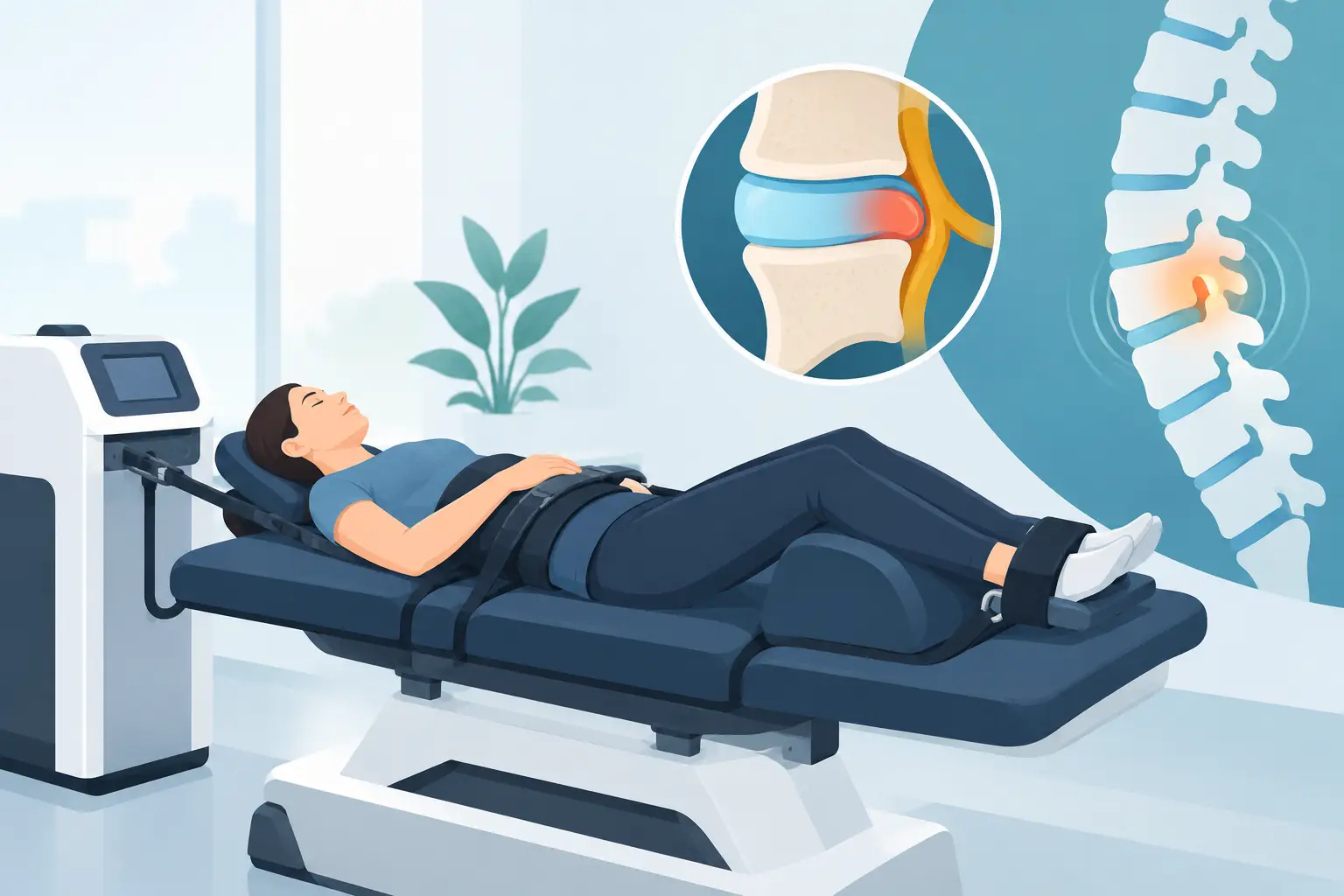
A personalized care plan can help restore safer, more comfortable range of motion over time. For some patients, this includes intersegmental traction or cervical and spinal decompression to support mobility and relieve pressure in affected areas. Progress should be measured by meaningful changes, such as turning your head while driving, returning to work duties, or being able to pick up a child without sharp pain.
Support for Inflammation and Recovery
Soft-tissue injuries need time to heal, but appropriate movement and hands-on care can support the recovery process. By improving joint motion and reducing muscle tension, chiropractic care may help circulation and decrease the stiffness that often follows an accident.
Treatment should remain responsive to your symptoms. In the early stages, a provider may use gentler techniques and recovery therapies to help calm irritated tissues. As pain improves, the focus can shift toward rebuilding function, improving tolerance for daily activities, and helping you move with more confidence.
A Non-Surgical, Individualized Option
Many car accident injuries respond well to conservative care, particularly when symptoms involve whiplash, strained muscles, joint restrictions, headaches related to neck tension, or mechanical back pain. Chiropractic care provides a non-surgical option that can be used alone or alongside care from your primary physician, pain specialist, orthopedist, or other medical provider.
That does not mean chiropractic care is appropriate for every injury. Fractures, significant neurological deficits, severe disc injuries, and certain medical conditions may require urgent medical management, imaging, specialist care, or a different treatment approach. A responsible provider recognizes those limits and refers when needed.
A Thorough Evaluation Creates a Better Plan
The most useful chiropractic visit after a car accident starts with listening. Your provider should ask about the crash, when symptoms began, where pain travels, prior injuries, medications, work demands, and activities that have become difficult. A physical examination may assess posture, muscle tenderness, joint movement, strength, reflexes, sensation, and other findings relevant to your condition.
From there, treatment should be organized around your specific needs. Someone with acute neck stiffness after a rear-end collision may need a different approach than a passenger with low back pain, radiating leg symptoms, and a history of disc problems. Your plan may change as your body responds, which is a normal part of recovery.
At Westside Spine & Injury, accident care is structured to reduce pain, restore mobility, and keep the recovery process organized. Patients receive individualized treatment recommendations rather than a generic schedule that does not reflect their injuries or progress.
Documentation Matters in Personal Injury Cases
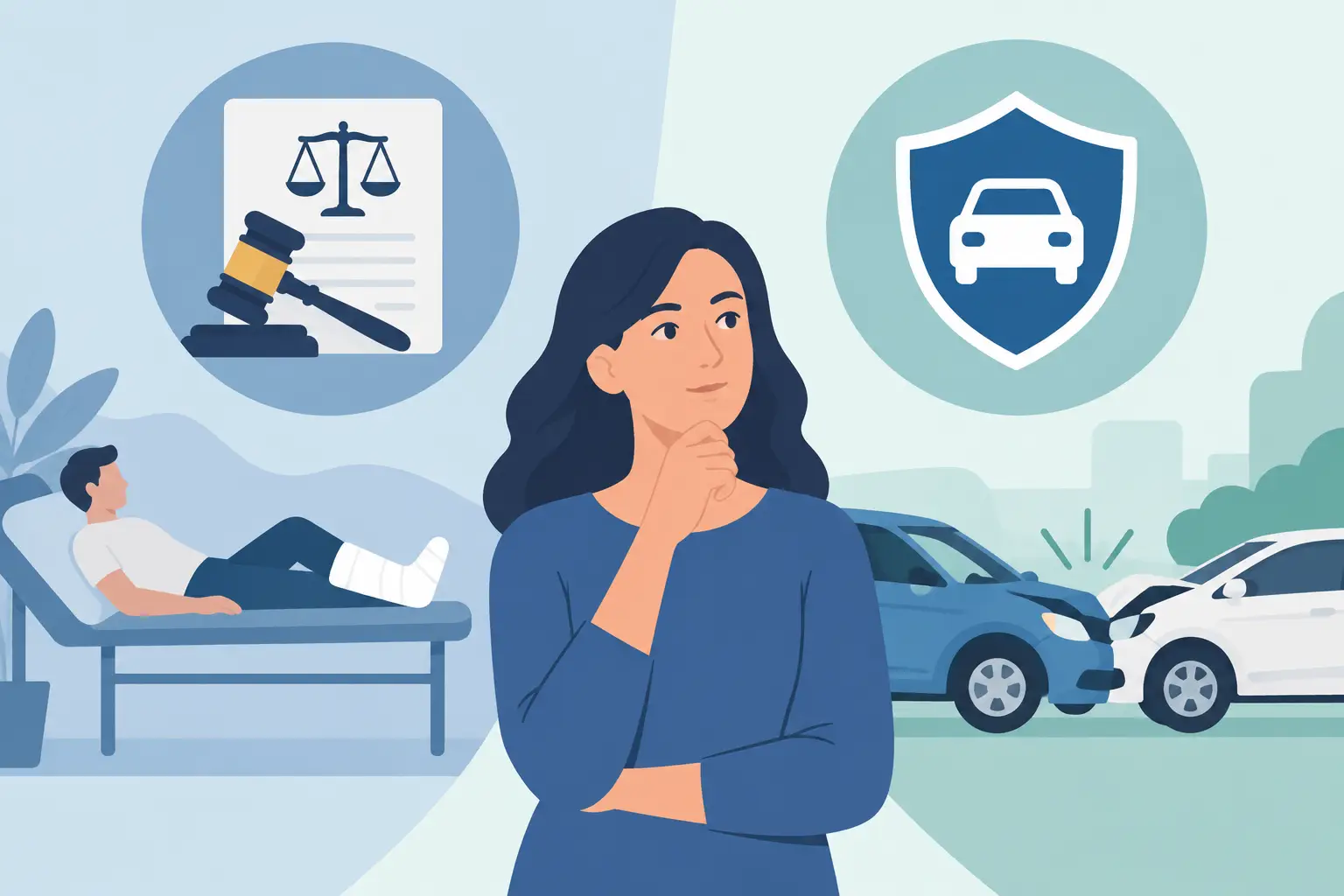
For patients pursuing an injury claim, clinical documentation is part of responsible care. Accurate records can show when symptoms began, how the accident affected function, what treatment was recommended, and how you responded over time. This is especially helpful when pain develops after the accident date or when an insurer questions the need for continued treatment.
Documentation should never be treated as a reason to overstate injuries. It should clearly and honestly reflect your condition, examination findings, treatment, and progress. Consistent appointments also make it easier for your provider to identify whether you are improving as expected or need additional evaluation.
Many accident patients are already managing vehicle repairs, missed work, calls from insurance adjusters, and legal questions. Coordination with attorneys and insurance representatives, Letters of Protection when appropriate, and transportation support can reduce logistical pressure so patients can focus on healing. Bilingual communication can also make the treatment process easier to understand for patients and families.
When to Schedule Care
If you have pain, stiffness, headaches, tingling, limited movement, or new discomfort after a crash, scheduling an evaluation promptly is sensible. Early care can establish a record of your symptoms and help you avoid ignoring a problem until it becomes harder to manage.
You do not need to wait until pain becomes unbearable. At the same time, do not assume every symptom belongs to whiplash or a simple strain. New or worsening numbness, weakness, balance problems, severe headaches, bowel or bladder changes, or pain that feels alarming deserves prompt medical attention.
Recovery after an accident is rarely just about one painful area. It is about getting back to driving comfortably, completing a workday, sleeping through the night, caring for your family, and moving without fear. A timely chiropractic evaluation can give you a clearer path forward, with care and support that stay focused on what your body needs next.