The first shift after an auto accident can feel harder than the accident itself. You may be trying to sit through meetings with neck pain, lift supplies with a sore back, or stay focused while headaches and stiffness build through the day. This return to work recovery guide can help you make a safer, more supported plan to reduce pain, restore mobility, and return to your responsibilities without ignoring what your body is telling you.
Returning to work is not always a simple choice between staying home and resuming every duty as usual. The right pace depends on your diagnosis, symptoms, job demands, and how your body responds to treatment. A structured recovery plan gives you a clearer path forward.
Start With an Accurate Injury Evaluation
Pain after a collision or other injury is not always immediate. Whiplash, muscle strain, disc irritation, and inflammation can become more noticeable in the days after the event, especially once you return to driving, desk work, lifting, or repetitive movements.
A comprehensive evaluation helps identify what may be causing your discomfort and which movements need attention. Your provider may assess spinal alignment, range of motion, muscle tension, nerve-related symptoms, posture, and how specific work activities affect your pain. This information matters because lower back stiffness from prolonged sitting requires a different approach than neck pain caused by repeated overhead work.
For personal injury patients, an evaluation also creates a timely clinical record of your symptoms and care needs. That documentation can be valuable when an attorney, insurer, or employer needs a clear picture of how the injury has affected your function.
Watch for Symptoms That Need Prompt Attention
Do not push through new or worsening symptoms simply because you have returned to work. Severe headaches, dizziness, numbness, tingling, weakness, pain that travels into an arm or leg, or increasing difficulty with balance or coordination should be discussed with a qualified healthcare provider promptly.
Even when symptoms are less severe, persistent pain deserves care. Waiting until discomfort becomes unmanageable can lead to compensating with poor posture, restricted movement, or overuse of other muscles. Those patterns can make recovery take longer.
Build a Return-to-Work Plan Around Your Actual Job
A useful return-to-work plan is specific. It considers what you do during a normal shift, not just the job title on your badge. A warehouse employee may need to address lifting, carrying, bending, and long periods on concrete floors. An office professional may need strategies for screen height, sitting tolerance, commuting, and frequent phone use. A parent working in healthcare, retail, or hospitality may have fast-paced duties with limited opportunities to rest.
Talk openly with your provider about the movements that increase symptoms. Be precise: describe how long you can sit before pain starts, whether turning your head while driving causes discomfort, and what happens after lifting, reaching, or standing. These details can guide a personalized treatment plan and help identify reasonable temporary modifications.
Temporary modifications may include lighter lifting, fewer repetitive tasks, more frequent position changes, adjusted workstation setup, or a gradual increase in hours. Not every job can accommodate every restriction, and the best option depends on workplace requirements and the nature of the injury. Still, asking early is often easier than trying to work through a flare-up later.
Use Treatment to Support Function, Not Just Short-Term Relief
Pain relief matters, but recovery should also improve how you move, sleep, drive, work, and manage daily responsibilities. Non-surgical chiropractic care may be part of a plan designed to reduce inflammation, ease muscle tension, improve circulation, and restore range of motion.
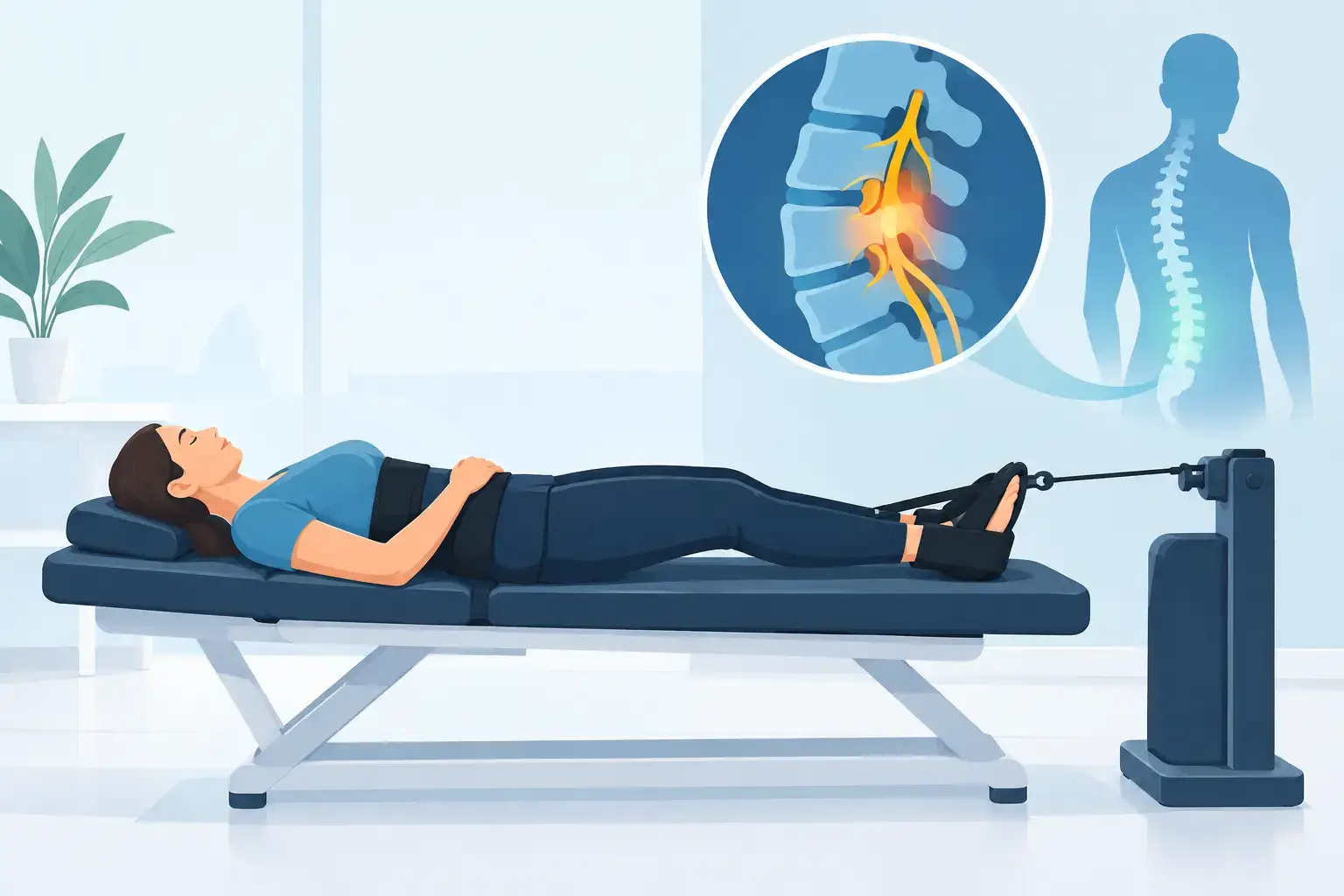
Depending on your condition, care may include chiropractic adjustments, spinal or cervical decompression, intersegmental traction, trigger point therapy, or interferential electrical stimulation. These therapies are selected based on your evaluation and symptoms, not as a one-size-fits-all routine. For example, someone with acute muscle guarding after whiplash may need a different progression than someone managing chronic sciatic pain or disc-related discomfort.
Consistency is often the trade-off people underestimate. Missing appointments because work is busy may feel necessary in the moment, but it can interrupt progress and leave symptoms unresolved. At the same time, treatment should fit your real life. A practical care plan accounts for your work schedule, transportation needs, and ability to follow through.
Make Your Workday Easier on Your Body
Small adjustments can reduce repeated stress during recovery. The goal is not to avoid all movement. Gentle, regular movement is often more comfortable than staying in one position for hours.
If you work at a desk, keep your screen near eye level, sit with your back supported, and avoid cradling a phone between your shoulder and ear. Change positions regularly rather than waiting for pain to force a break. If driving is part of your job, adjust the seat so you can reach the pedals and steering wheel without leaning forward or locking your arms.
For physically demanding work, use safe lifting mechanics and avoid twisting while carrying weight. Move closer to the object, keep it near your body, and turn with your feet instead of rotating through an injured back. Ask for assistance with tasks that exceed your current tolerance. This is not a lack of effort. It is a way to prevent an avoidable setback.
Outside of work, support your recovery with regular sleep, hydration, and the home-care instructions provided by your clinician. A short walk, gentle prescribed mobility work, or a brief rest period may be more helpful than spending the entire evening completely still.
Keep Track of Symptoms and Progress
A simple daily record can make treatment more effective. Note your pain level, where symptoms occur, what activities triggered them, and whether numbness, headaches, or sleep problems are changing. Also track functional wins, such as sitting longer without pain, turning your head more comfortably, or completing a shift with less stiffness.
This record gives your provider useful feedback. It can show whether the current treatment plan is helping or whether work activities need to be adjusted. For accident-related injuries, it can also support accurate documentation of how symptoms affect your job and daily life.
Avoid minimizing symptoms out of concern that others will think you are not ready to work. Recovery is not measured by whether you can endure one difficult day. It is measured by whether you can perform your responsibilities with steadily improving comfort, movement, and confidence.
Let Care Coordination Reduce the Administrative Stress
After an accident, appointments, insurance questions, transportation, work paperwork, and legal concerns can compete with the time and energy you need to heal. Organized support can make a meaningful difference, particularly when pain already makes everyday tasks more difficult.
For patients with personal injury cases, clear treatment documentation and communication with attorneys or insurance representatives can help keep care organized. Westside Spine & Injury also helps eligible patients navigate Letters of Protection, transportation needs, and the practical details that can otherwise delay treatment.
Your recovery does not have to be perfect before you return to work. It needs to be supported by accurate evaluation, appropriate care, and a plan that respects both your health and your responsibilities. If work is making your pain worse or you are unsure how to return safely, schedule an evaluation and give your body the focused care it needs to move forward.