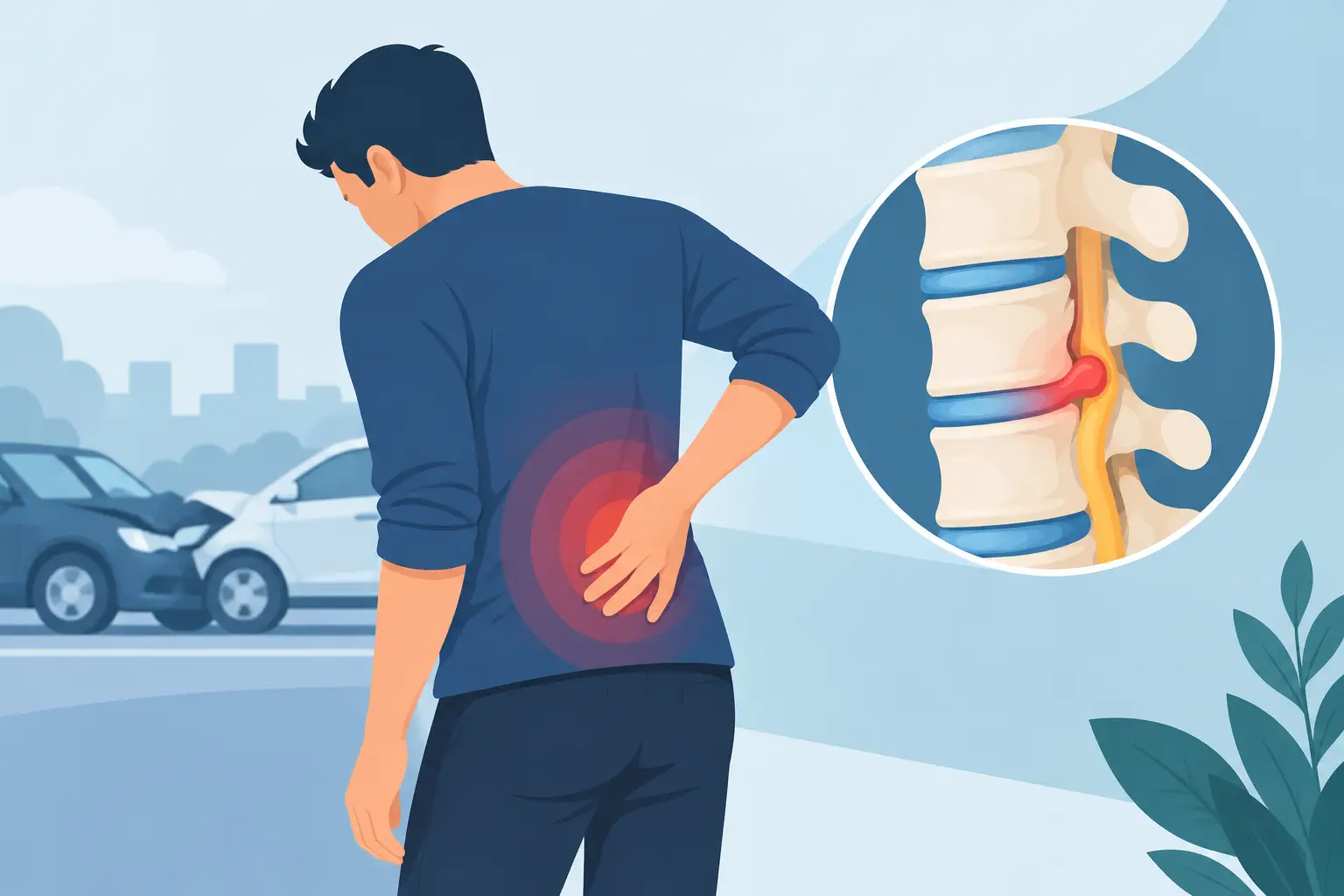
Pain after a car accident can feel confusing because it does not always arrive at the scene. You may walk away thinking you are fine, then wake up the next morning with a stiff neck, a headache, low back pain, or soreness that makes turning your head difficult. Knowing how to manage accident pain starts with taking those changes seriously, protecting your body from further strain, and getting the right evaluation before symptoms become harder to treat.
Start by ruling out an emergency
Some pain can be managed with conservative care, but certain symptoms need immediate medical attention. Call 911 or seek emergency care if you have severe or worsening pain, loss of consciousness, confusion, trouble breathing, chest pain, uncontrolled bleeding, new weakness, numbness on one side of the body, loss of bladder or bowel control, or a severe headache with vomiting or vision changes.
A prompt medical evaluation is also wise after a significant impact, even when symptoms seem mild. Adrenaline can temporarily mask pain, and injuries involving the neck, spine, joints, or soft tissues may not be obvious in the first few hours. Early assessment creates a clearer picture of your condition and helps determine whether conservative treatment, imaging, medication, specialist care, or emergency follow-up is appropriate.
How to manage accident pain in the first 72 hours
The first few days are about calming irritated tissues without becoming completely inactive. Rest is helpful when movement sharply increases pain, but staying in bed for days can lead to more stiffness and reduced mobility. Move carefully within a comfortable range, take short walks if you can do so safely, and avoid heavy lifting, forceful stretching, intense exercise, or trying to “work through” sharp pain.
Cold packs can help during the early phase when an area feels hot, swollen, or newly inflamed. Wrap the pack in a thin towel and apply it for about 15 to 20 minutes at a time, with breaks between applications. Heat may feel better later for muscle tightness and stiffness, but it depends on the injury. If heat makes swelling or throbbing worse, stop and return to cold therapy or ask your provider what is appropriate.
Over-the-counter pain relievers may be an option for some people, but they are not right for everyone. Follow the product label and check with a physician or pharmacist if you take blood thinners, have kidney, liver, heart, or stomach conditions, are pregnant, or take other medications. Medication can reduce symptoms, but it should not be used as proof that an injury has resolved.
Pay attention to your posture at home, at work, and in the car. Support your low back when sitting, keep screens near eye level, and avoid holding your phone between your shoulder and ear. Small adjustments reduce repeated strain on muscles that may already be guarding after an accident.
Do not ignore delayed symptoms
Whiplash, muscle strains, joint irritation, disc-related pain, and nerve symptoms can develop gradually. A headache that starts later in the day, soreness between the shoulder blades, tingling into an arm or leg, or pain that travels from the low back into the hip may all deserve professional attention. Delayed symptoms are common, not a sign that you are overreacting.
Keep a simple daily record of what you feel and how it affects your routine. Note where the pain occurs, what movements trigger it, whether symptoms travel, and whether you are having trouble sleeping, driving, working, or caring for your family. This information helps your provider measure progress and is especially useful if an insurance claim or personal injury case is involved.
Photographs of visible bruising or swelling can also be helpful. Do not rely only on memory weeks later. Consistent documentation gives your care team and, when needed, your attorney a more accurate record of how the injury affected you from the beginning.
Get a personalized evaluation, not a one-size-fits-all fix
Accident pain is rarely just one sore spot. A rear-end collision, for example, may leave someone with neck pain, headaches, shoulder tension, low back discomfort, and limited range of motion. The right treatment plan starts with a thorough evaluation of symptoms, movement, posture, joint function, and any signs that need referral for additional medical care.
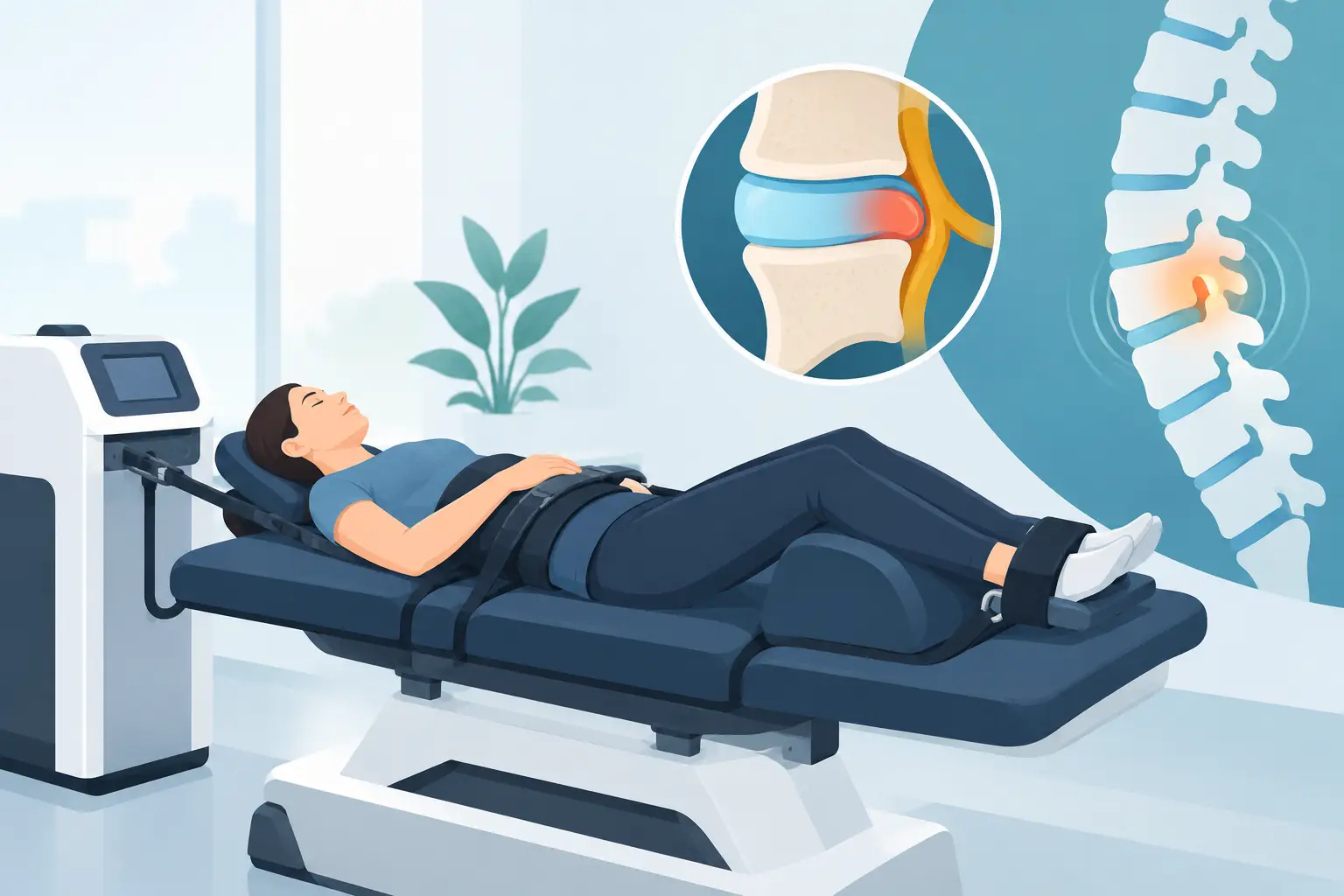
For appropriate musculoskeletal injuries, non-surgical chiropractic care may help reduce pain and restore mobility. Gentle chiropractic adjustments can address restricted joint motion, while therapies such as intersegmental traction, interferential electrical stimulation, trigger point therapy, and decompression may be used to reduce muscle tension, support circulation, and improve movement tolerance. The specific approach should match your examination findings, your comfort level, and the stage of healing.
There is a trade-off to consider: pushing too aggressively through treatment can aggravate sensitive tissues, while waiting too long can allow stiffness and movement compensation to become established. A structured plan gives you a safer middle ground, with care adjusted as your pain, function, and tolerance improve.
Protect your recovery between appointments
Recovery is shaped by what happens outside the treatment room as well. Follow activity recommendations closely, especially if your job involves lifting, prolonged sitting, driving, or repetitive movements. Ask for guidance on returning to exercise rather than jumping back into your previous routine because you have one good day.
Sleep can be difficult after an accident, particularly with whiplash or back pain. Try a position that keeps your neck and spine neutral. Many people feel better on their back with a pillow under the knees, or on their side with a pillow between the knees. Avoid stacking several pillows under your head, which can keep the neck bent forward for hours.
Hydration, regular meals, and gentle movement may sound basic, but they matter when your body is managing inflammation and stress. Pain often increases when sleep is poor and muscles remain tense. If you notice anxiety, fear of driving, nightmares, or a low mood after a collision, mention it to your medical provider. Emotional symptoms can be part of accident recovery and deserve support too.
Keep the insurance and legal details organized
When someone else may be responsible for an accident, treatment can feel tangled up with insurance calls, paperwork, transportation, and questions about payment. Do not let those tasks delay necessary care. Keep copies of crash information, claim details, medical records, work restrictions, receipts, and correspondence related to your injury.
If you are working with an attorney, tell your provider early so your records can accurately reflect your symptoms, treatment recommendations, and progress. Clear documentation is not about exaggerating pain. It is about making sure the clinical record matches what you are experiencing and the care you need.
A clinic experienced with personal injury cases can often coordinate with attorneys and insurers, accept a Letter of Protection when appropriate, and help patients understand the treatment process. For many injured people, that administrative support removes a major source of stress and lets them focus on healing.
Know when your plan needs to change
Pain should not be judged only by a number from one to ten. Look for functional progress: Can you turn your head more easily? Sit through a work meeting with less discomfort? Sleep longer? Walk without guarding? Those are meaningful signs that recovery is moving in the right direction.
At the same time, tell your provider if symptoms worsen, spread, or stop improving. New numbness, weakness, increasing radiating pain, severe headaches, dizziness, or changes in coordination may require a different level of evaluation. Good care is responsive, not fixed. Your plan should evolve as your body responds.
For Fort Worth patients facing the physical and practical aftermath of a collision, Westside Spine & Injury provides individualized, non-surgical care alongside organized personal injury support. The most helpful next step is often a timely evaluation – one that gives your pain a clear clinical explanation and gives your recovery a plan you can follow with confidence.