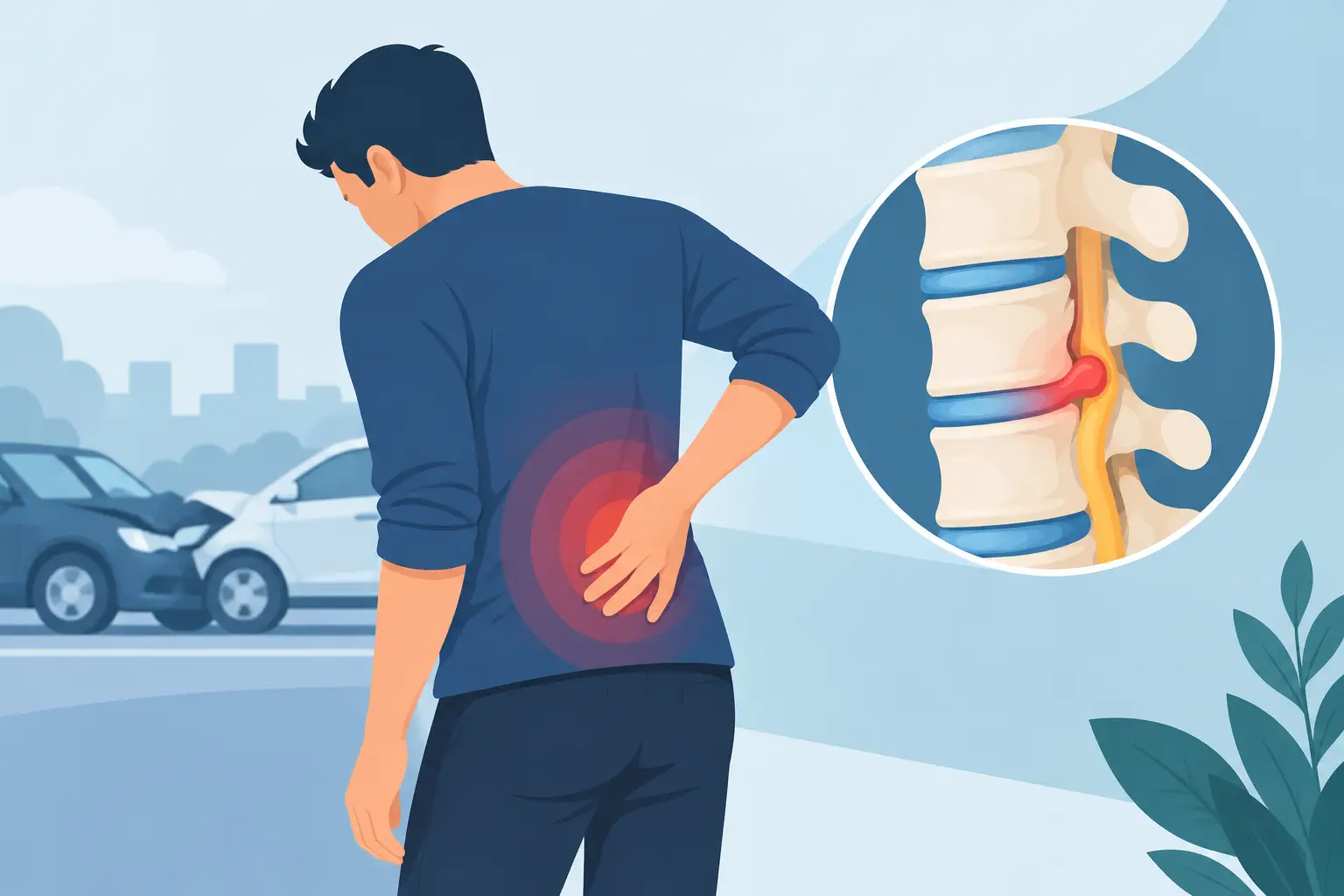
A crash can leave your vehicle damaged, your schedule disrupted, and your body hurting in ways that are not immediately clear. This Fort Worth injury care guide is designed for people who need a calm, practical next step after an auto accident, workplace injury, or sudden onset of neck, back, or joint pain. The goal is not to push through symptoms. It is to identify what needs attention, begin appropriate care, and create a recovery plan that supports your health and daily responsibilities.
Start With Safety and a Timely Evaluation
Some accident injuries require emergency care. Seek immediate medical attention for severe or worsening pain, loss of consciousness, confusion, chest pain, trouble breathing, uncontrolled bleeding, sudden weakness, numbness affecting an arm or leg, or new loss of bladder or bowel control. These symptoms can signal a serious condition that should not wait for an appointment.
For many people, symptoms appear more gradually. The adrenaline of a collision can mask discomfort for hours or even days. A person may leave the scene feeling shaken but functional, then wake up the next morning with a stiff neck, low back pain, headaches, shoulder tension, or limited movement. A timely evaluation helps document your condition while giving a provider a clearer starting point for treatment.
Even a low-speed collision can place significant force on the neck, spine, and surrounding soft tissues. Your body may absorb the impact through muscles, ligaments, joints, and discs, particularly when you are bracing for impact or looking in another direction. The amount of visible vehicle damage does not always reflect the amount of stress placed on your body.
Symptoms That Deserve Attention
Pain after an accident is not always limited to the area that first made contact. Neck injuries can contribute to headaches and shoulder pain. Low back irritation can create discomfort into the hips, legs, or feet. Inflammation and muscle guarding can change how you move, sleep, sit at work, or drive.
Common concerns after a collision include whiplash, neck stiffness, back pain, headaches, dizziness, muscle spasms, reduced range of motion, tingling, numbness, sciatica-like symptoms, and pain in the shoulders, knees, or wrists. These symptoms can have different causes, which is why a thorough evaluation matters more than guessing based on one painful day.
Pay attention to patterns. Does pain increase after sitting at your desk? Does turning your head while driving feel restricted? Are headaches becoming more frequent? Are you avoiding normal activities because your back tightens or your leg feels weak? Specific details help guide a personalized treatment plan and show whether your condition is improving over time.
What a Complete Injury Evaluation Should Include
A useful evaluation looks beyond a single painful spot. It begins with a conversation about the accident or injury, the symptoms you felt immediately afterward, changes since then, previous injuries, work demands, and activities that have become difficult. This context helps connect your symptoms to the way your body is functioning now.
The physical portion may assess posture, spinal alignment, joint movement, muscle tension, strength, reflexes, and signs of nerve irritation. Depending on your condition, your provider may recommend further diagnostic evaluation or coordinate with another medical professional when needed. The right approach depends on your symptoms, medical history, and how your body responds over the first phase of care.
A clear diagnosis is not always available on day one, especially with soft-tissue injuries. That does not mean your pain is insignificant. It means your provider should monitor your symptoms, function, and response to treatment carefully rather than relying on assumptions.
A Fort Worth Injury Care Guide to Non-Surgical Recovery
For many musculoskeletal injuries, conservative care can help reduce pain, restore mobility, and support the healing process without surgery. Treatment should be individualized rather than built around a one-size-fits-all schedule. Someone with acute whiplash may need a different approach from a person managing low back pain with radiating leg symptoms or a flare-up of a prior disc condition.
Chiropractic adjustments may help improve spinal and joint motion when restricted movement is contributing to pain and stiffness. Gentle techniques can be adapted for the stage of injury and the patient’s comfort level. The purpose is to help the body move more normally, not to force movement through severe pain.
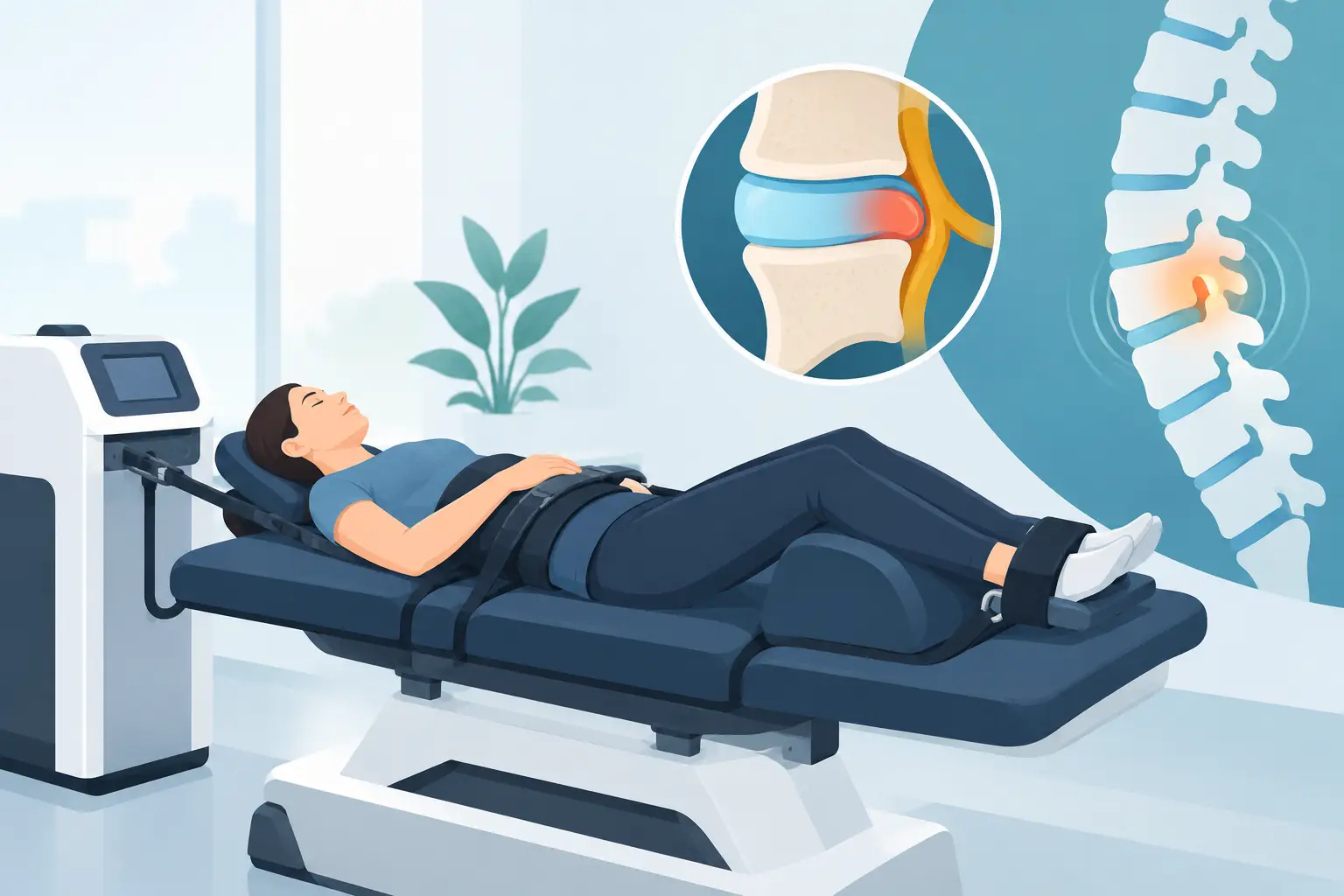
Additional therapies can address the soft-tissue side of recovery. Intersegmental traction may support spinal mobility and circulation. Interferential electrical stimulation is often used to help manage pain and muscle tension. Trigger point therapy can target tight, sensitive areas in muscles that may be contributing to headaches, shoulder discomfort, or limited movement. Spinal or cervical decompression may be considered for appropriate disc-related or nerve-related symptoms.
These therapies are not interchangeable, and they are not necessary for every patient. A good treatment plan explains why a therapy is being recommended, what it is intended to improve, and how progress will be measured. Recovery may involve relief-focused care at first, followed by a gradual return to normal movement, work tasks, exercise, and family activities.
Protect Your Recovery Between Appointments
Your daily habits can either support treatment or repeatedly aggravate an injury. Early on, avoid treating pain as a challenge to overcome. Heavy lifting, intense workouts, prolonged sitting, and sudden twisting may worsen irritated tissues, even when you feel temporarily better.
Instead, follow the activity guidance provided by your care team. Short walks, gentle movement, hydration, and sleep support can be helpful for many people, but the details depend on your injury. Use ice or heat only as directed. If a certain movement creates sharp pain, spreading numbness, or a new symptom, stop and report it.
Keep a simple record of your symptoms and limitations. Note pain levels, sleep disruption, missed work, headaches, mobility changes, and activities you cannot complete comfortably. This information can help your provider adjust care, and it can be valuable if your injury is connected to an insurance claim or legal case.
Keep Personal Injury Documentation Organized
After an accident, physical recovery and administrative tasks often arrive at the same time. Insurance calls, repair estimates, missed work, attorney questions, and medical appointments can make it hard to focus on healing. Organized documentation reduces confusion and helps ensure your treatment record accurately reflects your experience.
Save accident reports, insurance information, photographs, receipts, employer notes, and communications related to your claim. Be consistent when describing your symptoms to each provider. You do not need to exaggerate pain, but you should not minimize it either. Explain what has changed in practical terms, such as difficulty sleeping, lifting a child, sitting through a shift, or turning your head while driving.
For patients working with an attorney, coordinated clinical records can make the process more manageable. Westside Spine & Injury provides injury-focused evaluations and treatment while helping with documentation, insurance communication, Letters of Protection, and transportation assistance when available. This kind of support can reduce the administrative burden so patients can focus on healing.
Know When Your Plan Needs to Change
Recovery rarely follows a perfectly straight line. Some soreness can occur as an injured area begins moving again, but persistent worsening symptoms deserve attention. Tell your provider if your pain is increasing, new numbness develops, headaches change significantly, or everyday movement becomes more difficult instead of easier.
Your treatment plan should be reviewed as your condition changes. Progress may mean less pain, but it can also mean sleeping better, needing fewer breaks at work, turning your head more comfortably, walking farther, or returning to activities you had put on hold. Functional gains are often the clearest sign that care is moving in the right direction.
The right time to seek care is before a manageable injury becomes a longer disruption. Give your symptoms a clear evaluation, follow a plan built around your needs, and allow your recovery to be organized around the life you want to return to.