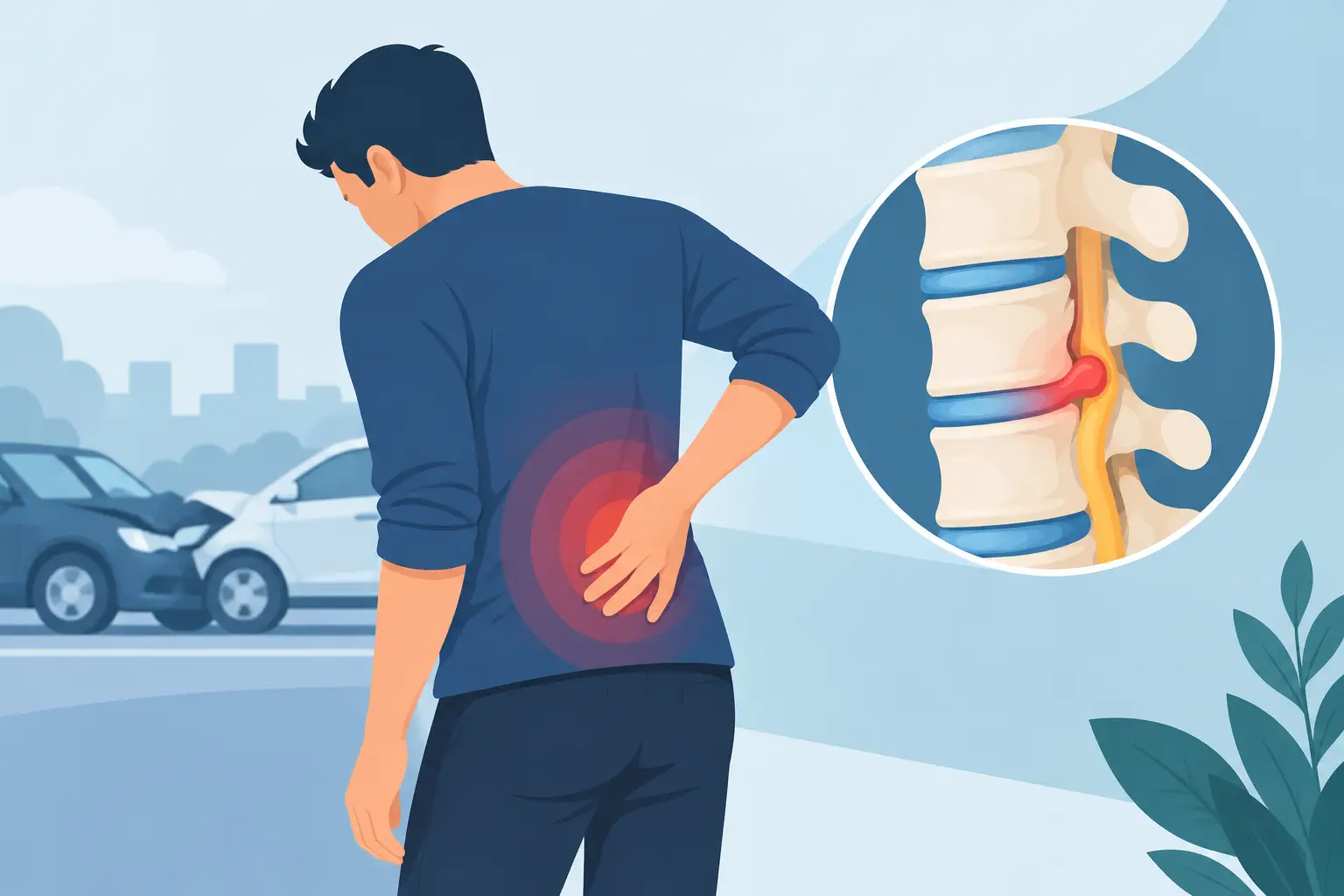
A crash that leaves your vehicle driveable can still leave your body struggling days later. Neck stiffness, headaches, low back pain, numbness, and reduced movement may develop after the initial adrenaline fades. Personal injury treatment results are strongest when care begins early, follows a clear plan, and addresses both your symptoms and the functional limits affecting work, driving, sleep, and family life.
For many accident patients, the goal is not simply to feel better for a few hours. It is to reduce pain, restore mobility, document the injury appropriately, and return to daily life with greater confidence. That requires more than a single appointment. It requires an evaluation, a personalized treatment plan, consistent progress checks, and support with the practical details that often complicate a personal injury case.
What Personal Injury Treatment Results Can Look Like
Recovery looks different for every patient. Someone with mild muscle strain after a low-speed collision may notice improved range of motion and less soreness within a short period of consistent care. A patient with whiplash, nerve irritation, disc-related symptoms, or injuries in several areas may need a longer course of treatment before everyday movement feels comfortable again.
Meaningful progress often appears in practical ways first. You may be able to turn your head more easily when backing out of a parking space, sleep through the night without waking from pain, sit at work longer, or pick up your child without guarding your back. These changes matter because they show that function is improving, not just that pain is temporarily quieter.
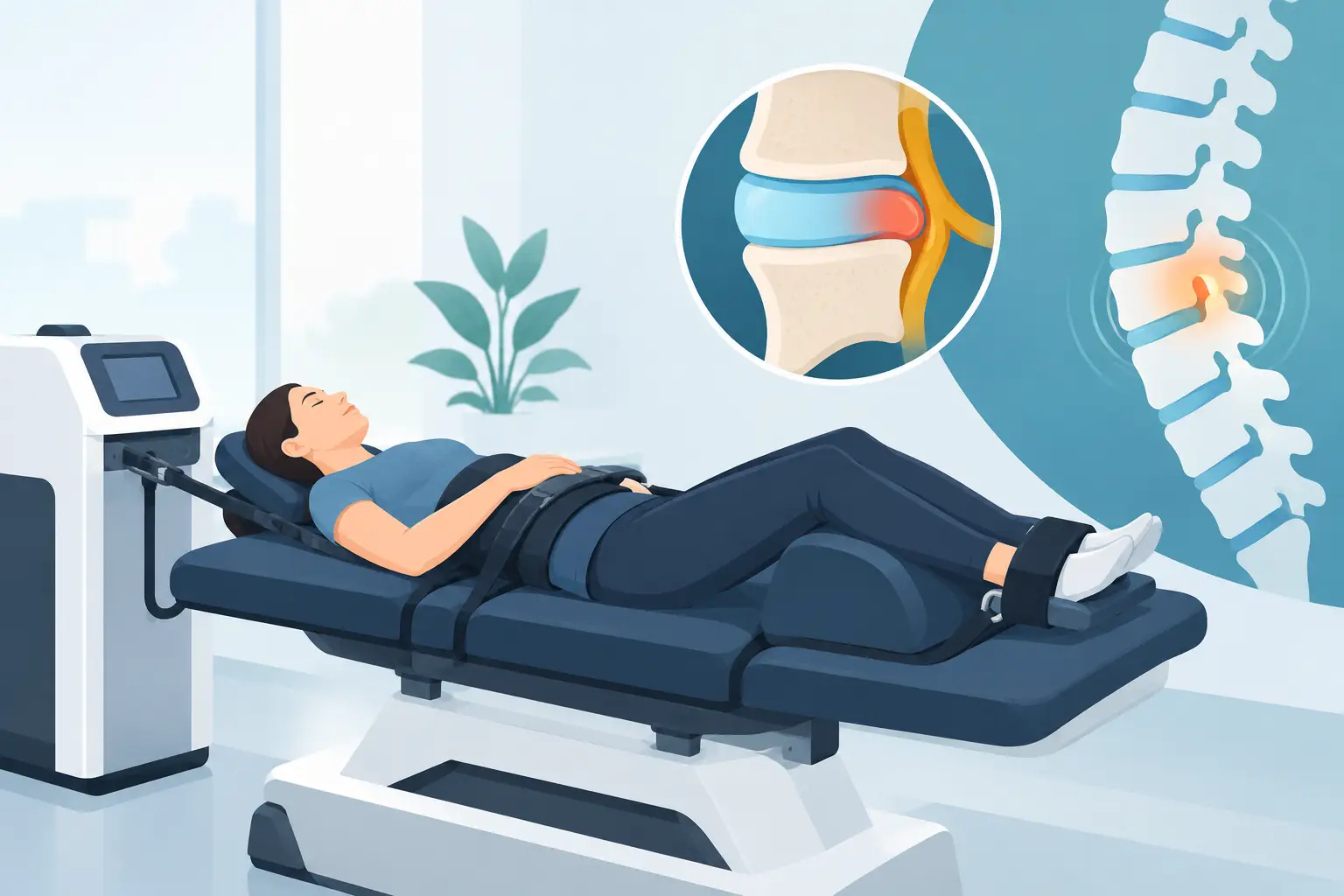
Treatment can also help reduce muscle tension, improve circulation, calm inflammation, and support healthier movement patterns. Chiropractic adjustments, therapeutic exercise recommendations, decompression, traction, electrical stimulation, and trigger point therapy may be used according to your condition and clinical findings. Not every therapy is right for every injury. A good plan is based on what your examination shows, how your body responds, and what activities you need to return to.
Why Early Evaluation Matters After an Accident
Waiting to seek care can make it harder to understand the full extent of an injury. Accident-related pain is not always immediate. Muscles may tighten to protect an injured area, swelling can increase over time, and altered movement can place stress on the neck, back, hips, or shoulders.
An early evaluation gives your provider a starting point. It documents symptoms, range-of-motion limits, areas of tenderness, neurological concerns, and how the injury affects normal activities. That baseline helps guide treatment and makes it possible to measure change over time.
Early care also matters for personal injury claims. Medical records should reflect what happened, what symptoms you reported, what treatment was recommended, and how you progressed. This does not mean treatment should be shaped around a case. Care should always be clinically appropriate. It does mean that organized, timely documentation can prevent gaps and confusion later for you, your attorney, or the insurance company.
Some symptoms require urgent medical attention rather than routine chiropractic care. Seek emergency evaluation for severe or worsening headache, loss of consciousness, confusion, chest pain, trouble breathing, sudden weakness, loss of bladder or bowel control, or significant pain after a serious collision. If you are unsure where to start, it is better to ask for guidance promptly than to wait and hope symptoms disappear.
The Factors That Influence Recovery
Personal injury recovery is rarely a straight line. You may feel better after a few visits, then notice a flare-up after a long workday, a poor night of sleep, or an activity your body is not ready to handle. That does not automatically mean treatment is failing. It can mean your plan needs to be adjusted as healing progresses.
Several factors can affect your timeline. The force and direction of impact, previous injuries, the number of body regions involved, inflammation, disc conditions, stress, sleep quality, and the physical demands of your job all play a role. A delivery driver who repeatedly twists and lifts may need different guidance than an office employee whose symptoms increase after prolonged sitting.
Consistency matters as well. Missed appointments, returning too quickly to strenuous activity, or stopping care as soon as the sharpest pain improves can slow progress. At the same time, more treatment is not automatically better. The right frequency depends on your diagnosis, response to care, and the goals established with your provider. A structured plan should evolve as your pain levels, mobility, and function improve.
Pain Relief Is Only One Measure of Progress
Pain scales are useful, but they do not tell the entire story. A patient may report less pain while still having reduced cervical rotation, muscle weakness, radiating symptoms, or difficulty tolerating normal activity. Conversely, temporary soreness after treatment may occur as tight tissues begin to move more normally.
Progress should be evaluated through a wider lens: pain intensity, range of motion, strength, sleep, ability to work, tolerance for driving, and the activities you can perform without limitation. Clear reassessments help your care team identify what is working and what needs to change.
A Treatment Plan Should Fit the Injury and the Person
There is no one-size-fits-all personal injury treatment plan. Whiplash may involve neck pain, headaches, shoulder tension, dizziness, or restricted movement. A low back injury may include spasms, sciatica-like symptoms, hip pain, or pain that makes sitting and standing difficult. The treatment approach should reflect those differences.
A comprehensive plan may combine hands-on chiropractic care with therapies designed to address inflammation, muscle tension, circulation, and mobility. Cervical or spinal decompression may be considered for certain disc-related conditions. Intersegmental traction can support movement through the spine, while interferential electrical stimulation may help manage pain and muscle spasm. Trigger point therapy can target tight, sensitive areas that contribute to restricted movement and referred pain.
The goal is to use the right tools at the right stage of recovery. Some patients need initial care focused on calming acute symptoms before they can tolerate more active rehabilitation. Others are ready to work on mobility and stability sooner. Honest communication about how you feel between visits allows the provider to make safer, more effective decisions.
Documentation Is Part of Organized Recovery
After an accident, appointments, bills, insurance calls, and legal questions can add stress to an already painful situation. Organized case support helps patients stay focused on healing rather than trying to manage every administrative detail alone.
Accurate treatment records can show the connection between the accident, reported symptoms, examination findings, recommended care, and your response to treatment. For patients working with a personal injury attorney, direct communication and timely records can keep the case moving without requiring the patient to act as the messenger.
For qualifying patients, a Letter of Protection may make it possible to begin necessary care while a claim is pending. Transportation assistance, bilingual communication, and coordinated scheduling can also remove barriers that lead people to delay treatment. These services do not change the clinical standard of care. They make it easier to follow the plan your recovery requires.
When to Reassess Your Results
You should expect your provider to monitor your progress, not simply repeat the same visit indefinitely. If symptoms are not improving as expected, if new symptoms appear, or if pain is interfering more with daily life, the plan may need to change. That could mean modifying therapies, adjusting visit frequency, requesting further medical evaluation, or coordinating with another healthcare professional.
It is also reasonable to ask questions throughout care. Ask what your diagnosis means, what each therapy is intended to address, how progress will be measured, and what you can safely do at home or work. Informed patients are better positioned to participate in recovery and recognize meaningful change.
At Westside Spine & Injury, accident care is built around this kind of organized support: a thorough evaluation, individualized non-surgical treatment, ongoing progress monitoring, and help coordinating the documentation around your case. The purpose is to make recovery feel more manageable when pain and paperwork are competing for your attention.
The most helpful next step after an accident is not to predict exactly how long recovery will take. It is to get evaluated, explain how the injury is affecting your life, and begin a plan that gives your body the opportunity to heal while keeping your care organized from the start.