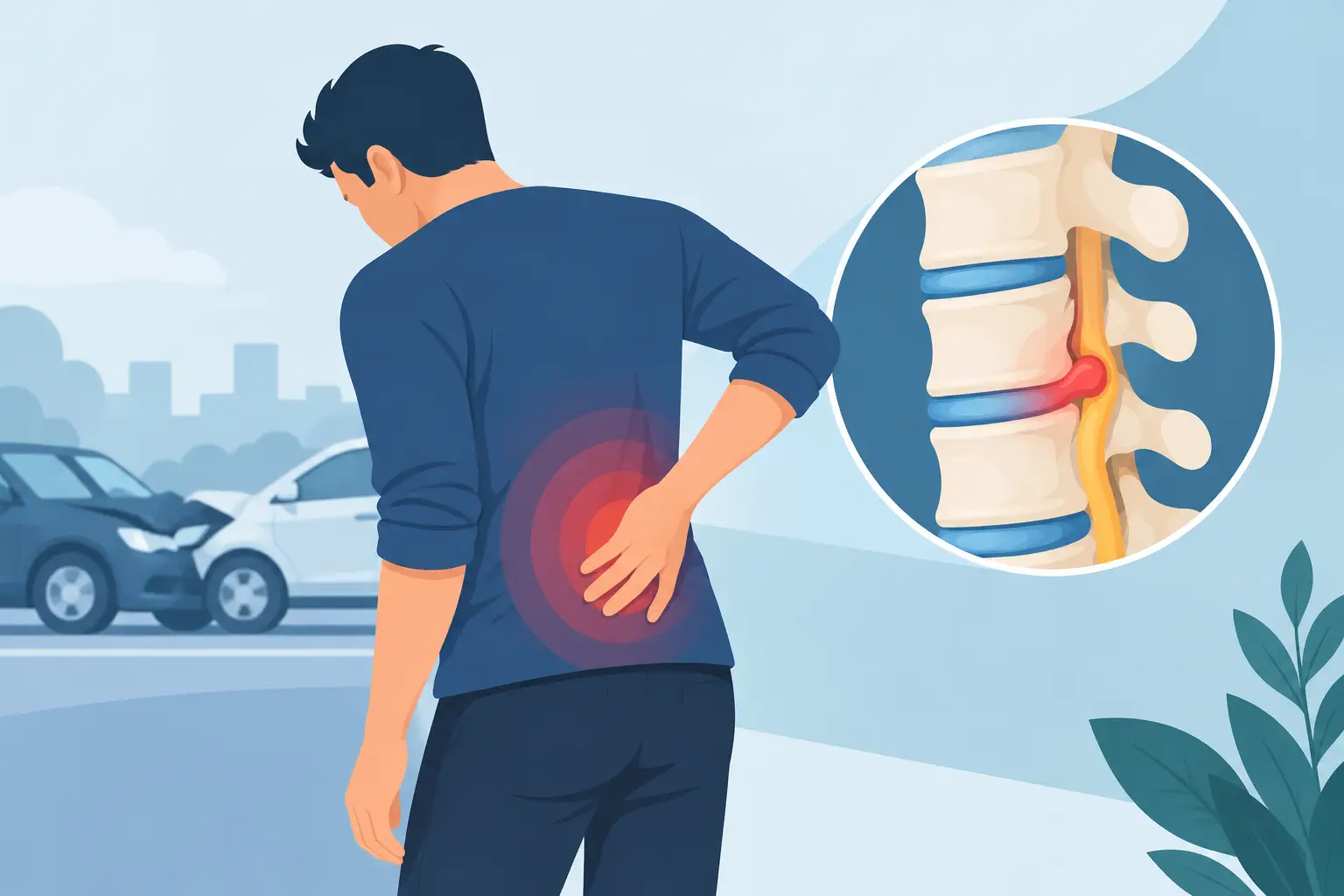
A low-speed collision can leave a vehicle with only minor damage and a person with pain that makes turning their head, sleeping, working, or carrying groceries difficult. That gap is why auto accident recovery examples are useful: they show that recovery is not always immediate, visible, or identical from one patient to the next. The right next step is a thorough evaluation and a plan built around the symptoms affecting your daily life.
Auto Accident Recovery Examples: Four Different Paths
Every injury and treatment plan should be individualized. These examples are common recovery patterns, not promises of a specific result or timeline. Factors such as the force of the collision, preexisting conditions, the affected tissues, work demands, and how quickly care begins can all shape the process.
1. Neck stiffness that appears the next morning
A driver is rear-ended at a stoplight and initially feels shaken but able to go home. The following morning, neck stiffness, a dull headache, and pain between the shoulder blades make it hard to look over one shoulder while driving. This pattern is common with whiplash-related injuries, where muscles, joints, and supporting soft tissues may become irritated after the sudden back-and-forth motion of a collision.
Recovery often begins with an evaluation of neck movement, posture, tenderness, headache patterns, and neurological symptoms. Depending on the findings, a conservative plan may include gentle chiropractic adjustments, intersegmental traction, trigger point therapy, and therapies intended to reduce muscle tension and inflammation. As discomfort settles, care can focus on restoring range of motion and helping the patient return to normal driving, desk work, and sleep.
The lesson is simple: feeling “fine” immediately after an accident does not rule out an injury. Pain that develops later still deserves attention and documentation.
2. Low back pain with pain traveling into the leg
A passenger involved in a side-impact crash develops low back pain over several days. Sitting at work becomes uncomfortable, and pain occasionally travels into the hip or leg. That can occur when inflammation, muscle guarding, or an irritated nerve affects the lower back. It does not automatically mean surgery is needed, but it does call for a careful clinical assessment.
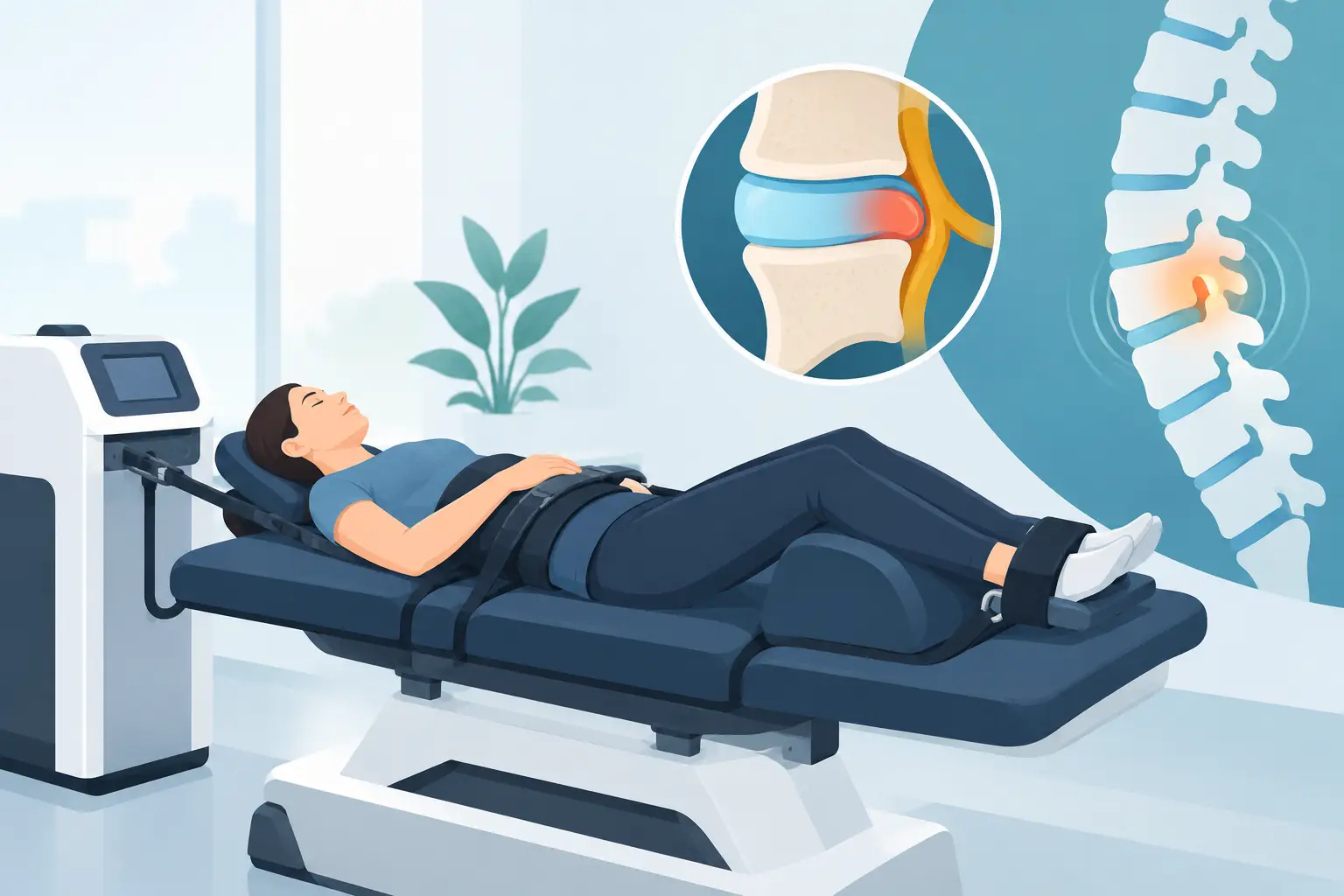
In this example, treatment may begin with non-surgical care designed to reduce pressure and improve movement. Spinal decompression may be appropriate for some disc-related symptoms, while interferential electrical stimulation can help manage pain and muscle spasm. Chiropractic care, soft-tissue work, and gradual mobility-focused treatment can be combined based on how the patient responds.
There is a trade-off to consider: pushing through sharp pain or returning to demanding lifting too quickly can prolong irritation. On the other hand, complete inactivity can increase stiffness and fear of movement. A personalized plan helps patients make measured progress without guessing what their body can handle.
3. Shoulder tension, headaches, and limited movement
Not every accident injury is centered in the spine. A driver who braces against the steering wheel may experience shoulder tightness, upper-back discomfort, headaches, and limited ability to raise an arm. These symptoms can interfere with reaching overhead, caring for children, dressing, or doing physical work.
A recovery plan may address the cervical spine, shoulder mechanics, muscle trigger points, and the upper-back tension that often develops after an accident. The goal is not simply to reduce pain for a few hours. It is to help restore comfortable movement, circulation, and confidence with daily activities.
Progress can be uneven. A patient may feel better after treatment but notice soreness after a long shift, a poor night of sleep, or a stressful day. That does not always mean care is failing. It can mean the plan needs to be adjusted to account for real-life demands, healing tolerance, and the body’s changing response.
4. A personal injury case that needs organized records
Physical recovery and the administrative side of an accident often happen at the same time. A patient may be in pain while also managing insurance calls, missed work, a vehicle claim, and communication with an attorney. Without organized records, it can become harder to show how symptoms affected function or how treatment progressed.
In this type of recovery, detailed evaluations, visit notes, treatment recommendations, and documented changes in symptoms all matter. A clinic that works with personal injury patients can coordinate with attorneys and insurance representatives, support Letters of Protection when appropriate, and keep treatment documentation organized. Transportation assistance can also make it easier for an injured patient to attend necessary appointments.
That support does not replace clinical care. It removes practical barriers so the patient can focus more fully on healing.
What a Personalized Recovery Plan May Include
Auto accident care should start with understanding what happened and how symptoms are affecting you now. A comprehensive evaluation may consider neck and back mobility, posture, areas of muscle spasm, joint restrictions, headaches, numbness or tingling, and pain that interferes with work or home responsibilities. The findings guide the treatment plan.
For some patients, chiropractic adjustments can help improve joint motion and reduce mechanical stress. For others, the priority may be cervical or spinal decompression, especially when disc discomfort or nerve-related symptoms are part of the picture. Intersegmental traction can support spinal mobility, while interferential electrical stimulation may help calm painful muscle spasms. Trigger point therapy and other recovery therapies may be used to address inflammation, circulation, and persistent muscular tension.
The best plan is rarely a single treatment repeated without change. It should be reviewed as symptoms improve, flare, or reveal a new limitation. A patient returning to a physically demanding job may need a different pace than someone who works at a computer. Someone with a prior back injury may need additional attention to distinguish old symptoms from new accident-related changes.
Why Early Care and Documentation Matter
Prompt care can help establish a baseline for symptoms before they become harder to manage. It also creates a clear record of when pain began, what movements are limited, and how treatment is affecting function. For personal injury cases, that information can be valuable to the patient, attorney, insurer, and other providers involved in care.
Early care does not mean every person needs the same number of visits or the same therapies. It means getting assessed before discomfort is dismissed, adapted to, or allowed to change your movement patterns. Guarding your neck, avoiding a full turn, or compensating with one shoulder can place stress on other areas over time.
At Westside Spine & Injury, patients receive individualized non-surgical care alongside practical case-management support. For Fort Worth-area accident patients, that can mean same-day availability when possible, bilingual service, treatment documentation, and help coordinating the details that often make recovery feel overwhelming.
When to Seek Emergency Medical Care First
Chiropractic care can be an effective part of recovery for many musculoskeletal accident injuries, but some symptoms need urgent medical assessment. Seek emergency care right away for severe or worsening headache, loss of consciousness, confusion, chest pain, shortness of breath, significant abdominal pain, uncontrolled bleeding, sudden weakness, loss of bowel or bladder control, or numbness that is rapidly worsening.
If you have been evaluated in the emergency department or by another physician, bring any available records to your appointment. Coordinated care helps ensure treatment decisions account for your full condition.
Start With the Problems You Notice Every Day
You do not need to wait until pain becomes unbearable to ask for help. Notice what has changed since the collision: perhaps you cannot check a blind spot without pain, sit through a meeting comfortably, sleep in your usual position, or lift what you normally lift. Those details give your provider a clearer picture of what recovery needs to restore.
A good accident recovery plan gives you more than temporary relief. It gives you a documented path forward, clear communication, and care that stays focused on helping you move with less pain and greater confidence.