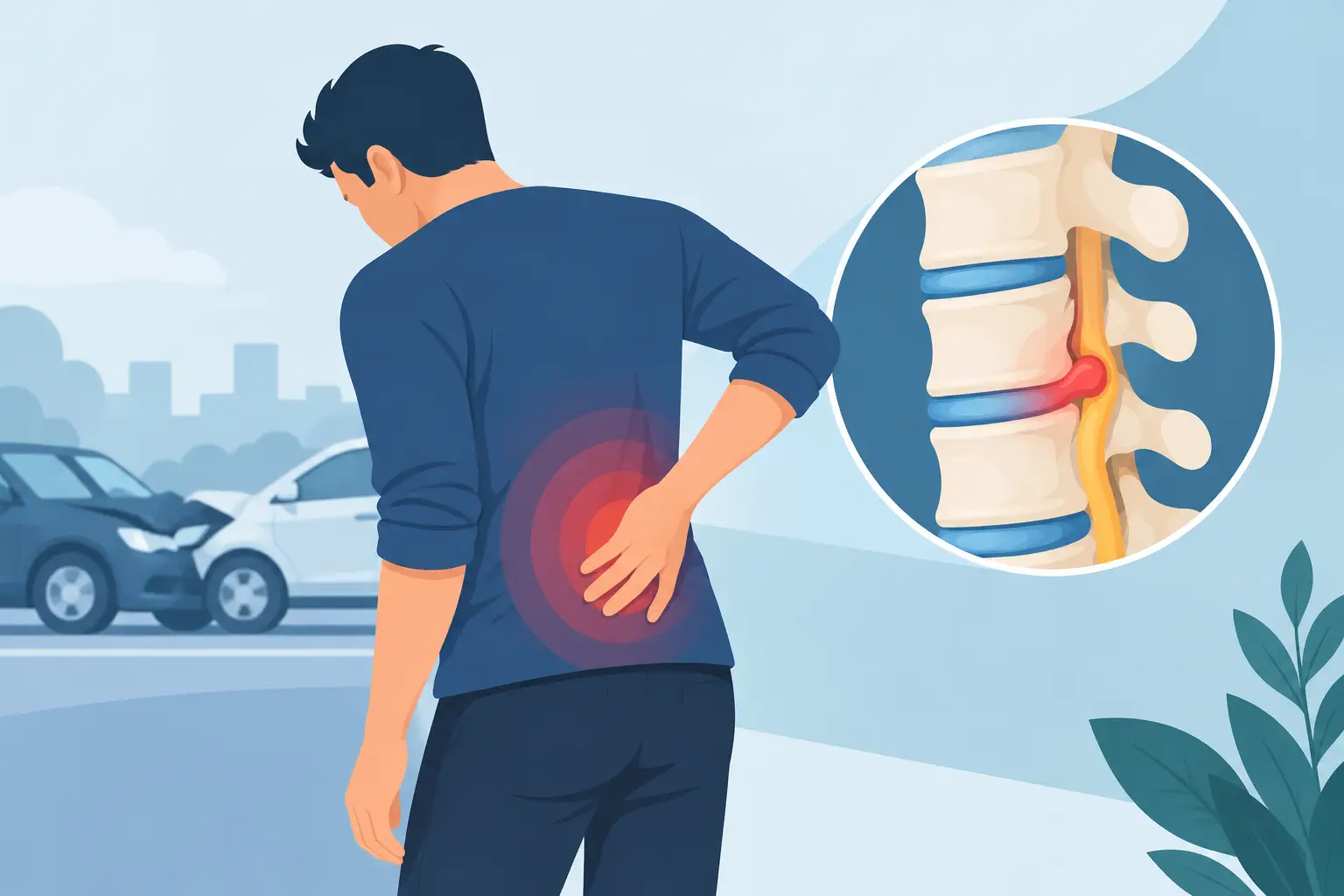
A collision can leave your vehicle damaged, your schedule disrupted, and your body hurting in ways you did not feel at the scene. Adrenaline often masks pain for hours or days. That is why seeing a car accident chiropractor Fort Worth patients can rely on soon after a crash may help identify injuries, begin appropriate care, and create a clear record of what you are experiencing.
Neck stiffness, headaches, back pain, shoulder pain, numbness, and limited movement are not problems to simply wait out. Even a low-speed accident can force the head, spine, and surrounding muscles through sudden movement. Prompt evaluation gives you a practical starting point: understand the injury, reduce pain, restore mobility, and focus on healing.
Why pain can appear after the accident
Whiplash is one of the most common auto accident injuries, but it is not limited to the neck. The rapid forward-and-back motion of a collision can strain muscles and ligaments from the cervical spine through the lower back. It may also irritate joints, aggravate a disc condition, or create inflammation that affects how you move.
Some people feel sore immediately. Others wake up the next morning with a headache, tight shoulders, or pain when turning their head. Symptoms may build as inflammation increases and the body begins guarding the injured area. Delaying care does not automatically make an injury worse, but waiting can make it harder to connect symptoms to the accident and may allow restricted movement or muscle tension to become more persistent.
An evaluation is especially worthwhile if pain interferes with sleep, driving, work, caring for family, exercise, or simple movements such as bending, reaching, or looking over your shoulder.
What a car accident chiropractor in Fort Worth can evaluate
A thorough chiropractic evaluation looks beyond the single area that hurts most. Your provider should ask about the collision, the direction of impact, when symptoms started, prior injuries, and changes in daily function. The examination may include posture, range of motion, spinal alignment, muscle tenderness, joint function, and neurological symptoms such as tingling or radiating pain.
This matters because pain can travel. A patient with headaches may also have neck muscle strain and reduced cervical mobility. A patient with low back pain may be compensating for hip or pelvic discomfort. Identifying these patterns helps guide a personalized treatment plan rather than relying on a one-size-fits-all approach.
Chiropractic care is not a substitute for emergency treatment. Seek immediate medical attention after an accident for severe headache, confusion, fainting, chest pain, shortness of breath, new weakness, loss of coordination, heavy bleeding, or symptoms that could indicate a serious injury. A responsible clinic will also refer or coordinate care when imaging, medical evaluation, or another specialist is needed.
Treatment should match the injury and your tolerance
There is no single treatment that fits every accident injury. The right plan depends on your symptoms, examination findings, health history, and how your body responds over time. Early care may focus on calming inflammation and reducing muscle guarding before progressing to treatments that support better mobility and strength.
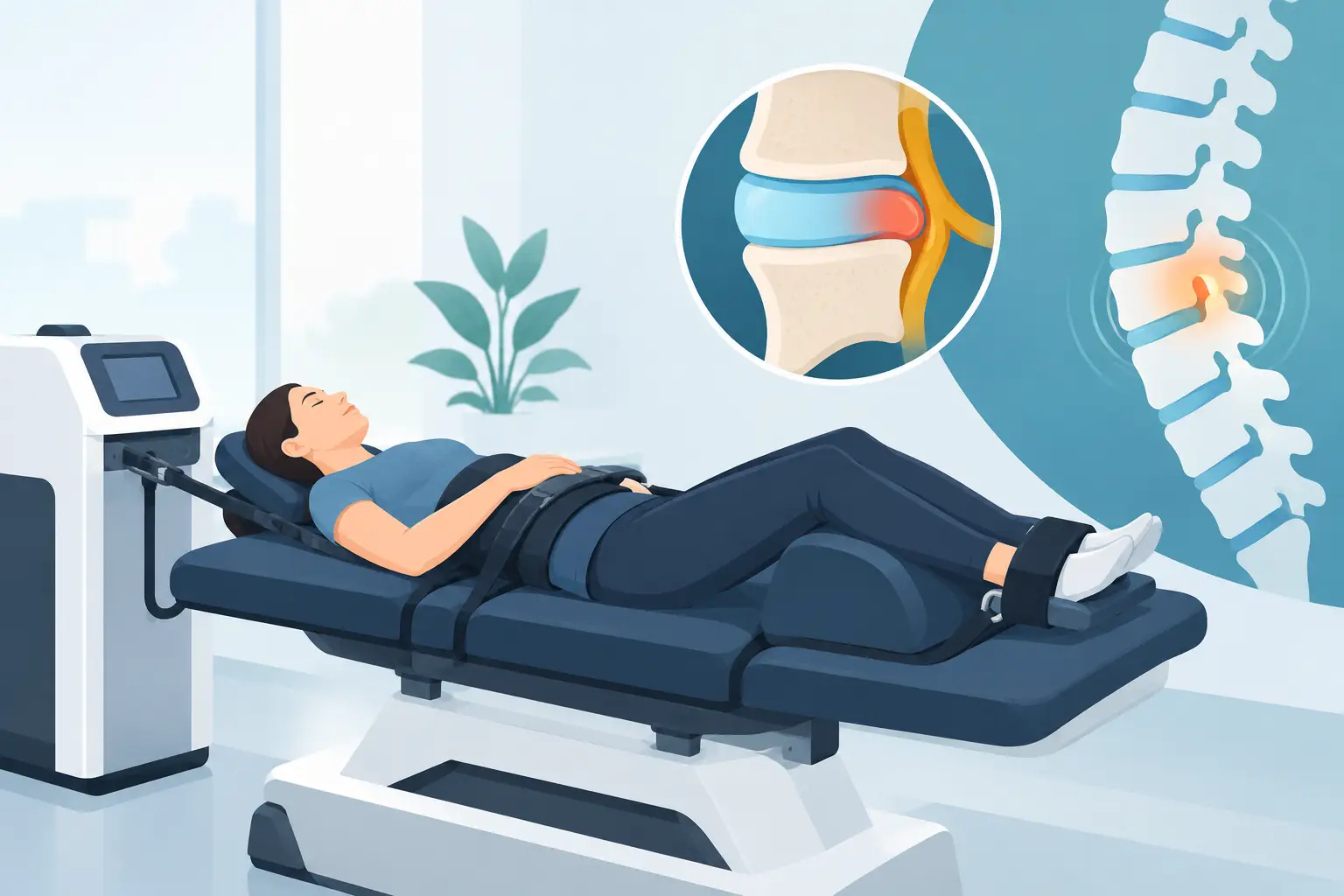
For some patients, gentle chiropractic adjustments can improve joint motion and reduce mechanical stress on the spine. Others may benefit from spinal or cervical decompression when disc-related discomfort, radiating symptoms, or pressure patterns are present. Intersegmental traction can support movement through the spine, while interferential electrical stimulation may help manage pain and muscle tension.
Trigger point therapy can address tight, tender muscle bands that develop after a crash. Advanced recovery therapies may also be used to support circulation, reduce inflammation, and help tissues recover. The goal is not to push through pain. It is to progress at a pace that helps you move more comfortably and return to normal activities with confidence.
What progress may look like
Recovery is rarely a straight line. You may notice less pain first, followed by easier movement, better sleep, fewer headaches, or greater tolerance for sitting, driving, and working. Some injuries improve quickly, while others require consistent care over several weeks or longer.
A good treatment plan is adjusted as your condition changes. If a certain activity still triggers pain, your provider should help you understand why and modify the approach when needed. The focus is functional recovery, not simply getting through one appointment.
Documentation matters after a personal injury accident
When another driver may be responsible for the crash, your clinical care and your injury case often move forward at the same time. Clear records help document the connection between the accident, your symptoms, examination findings, treatment recommendations, and progress.
That administrative work should not become another burden while you are in pain. Westside Spine & Injury provides case-management support alongside non-surgical treatment, including help with Letters of Protection, communication with attorneys and insurance companies, and organized treatment documentation. Transportation assistance and bilingual service can also make it easier for patients to stay consistent with care.
For patients working with a personal injury attorney, consistent attendance and honest communication are important. Report new symptoms, missed work, difficulty with daily tasks, and changes in pain levels. Do not minimize symptoms, but do not exaggerate them either. Accurate documentation protects your health and supports a clearer understanding of your recovery needs.
When should you schedule an evaluation?
The best time is generally as soon as you can safely do so after an accident, particularly if symptoms have started or you were evaluated in an emergency setting and still have musculoskeletal pain. Same-day availability can be helpful when you need answers quickly, but timely care does not mean rushing into treatment without a proper assessment.
You should also schedule if symptoms appear days later. Delayed neck pain, headaches, back stiffness, tingling, and reduced range of motion are common reasons patients seek care after initially believing they were fine. If you have already tried rest, ice, over-the-counter medication, or massage and are still struggling to move comfortably, a structured evaluation can clarify next steps.
Bring any accident information, insurance details, referral information, and records from urgent care or the emergency room if you have them. If you do not have everything organized yet, do not let that stop you from seeking care. The clinic can explain what is needed and help coordinate the process.
Questions to ask before choosing a provider
The right clinic should make the process feel clear, not confusing. Ask whether the provider routinely treats auto accident injuries, performs comprehensive examinations, and develops individualized treatment plans. Find out how they handle referrals when symptoms require medical imaging or specialist care.
If you have an attorney or are pursuing an injury claim, ask how documentation is managed and whether the clinic works with Letters of Protection. It is also reasonable to ask about scheduling flexibility, transportation, and language support. Recovery requires consistency, so practical details can make a meaningful difference.
Most importantly, choose a provider who listens. Accident injuries affect more than a painful body part. They can disrupt work, family responsibilities, sleep, and independence. You deserve care that recognizes the full impact of the injury while giving you a realistic path forward.
Pain after a collision is your body asking for attention, not a test of how much you can tolerate. A timely evaluation can help you understand what is happening, start appropriate non-surgical care, and move forward with a plan that supports both your recovery and your peace of mind.