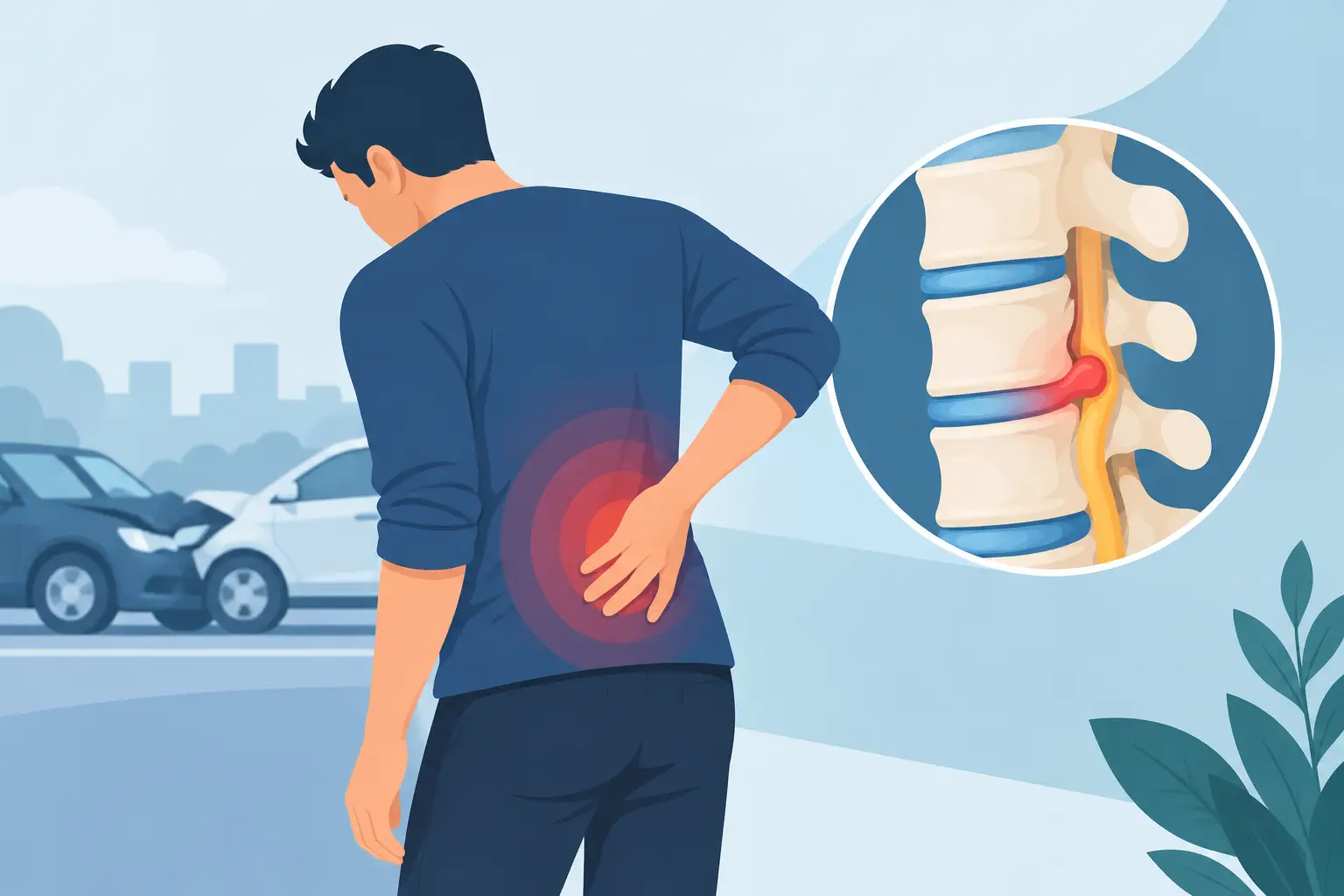
A rear-end collision can happen in seconds, yet the neck pain, headaches, stiffness, and trouble concentrating may show up later that day or even days afterward. Understanding how chiropractic care helps whiplash can make it easier to seek timely treatment, protect your mobility, and begin a structured recovery rather than hoping the pain simply fades on its own.
Whiplash is not just a sore neck. It is an injury caused when the head and neck move forcefully back and forth, straining muscles, ligaments, joints, and other soft tissues. Even a crash that seems minor can create enough force to irritate the cervical spine and surrounding tissues. A careful evaluation helps identify what is contributing to your symptoms and what type of non-surgical care may be appropriate.
Why Whiplash Symptoms Can Be Delayed
Immediately after an accident, adrenaline can mask pain. As that response wears off, inflammation and muscle guarding can increase. You may wake up with a tight neck, limited ability to turn your head, shoulder pain, or a headache that starts at the base of the skull.
Common whiplash symptoms include neck pain and stiffness, headaches, upper-back or shoulder pain, dizziness, fatigue, jaw discomfort, and reduced range of motion. Some people also experience tingling, numbness, or weakness in an arm or hand. These symptoms deserve prompt attention, especially if they interfere with driving, working, sleeping, or caring for your family.
Not every post-accident symptom is a straightforward whiplash injury. Severe headache, worsening weakness, loss of balance, confusion, fainting, vision changes, chest pain, or bowel and bladder changes require urgent medical evaluation. Chiropractic care is most helpful when it is part of an appropriate care plan based on a thorough assessment and referral when needed.
How Chiropractic Care Helps Whiplash Pain and Mobility
The goal of chiropractic treatment after a collision is not to force the neck into motion before it is ready. It is to reduce pain, calm irritated tissues, restore healthier movement, and support your body as it heals. At Westside Spine & Injury, care begins with listening to how the accident happened, reviewing your symptoms, and evaluating your posture, movement, spinal function, and areas of tenderness.
Reducing muscle tension and joint irritation
After whiplash, the body often responds by tightening the muscles around the neck and shoulders. This protective response can limit motion and create a cycle of pain, tension, and more pain. Gentle, individualized chiropractic techniques can address restricted spinal joints and improve how the neck and upper back move together.
When appropriate, adjustments may help reduce joint restriction and improve mobility. Treatment is adapted to your condition, pain level, and stage of recovery. A person with fresh, highly sensitive injuries may need a gentler approach than someone whose main issue is lingering stiffness several weeks after an accident.
Supporting circulation and soft-tissue recovery
Inflamed, overworked muscles do not always recover with rest alone. Supportive therapies may be used to ease muscle tension and promote circulation in the affected area. Trigger point therapy can address sensitive knots in the neck, shoulders, and upper back that may contribute to headaches or pain with movement.
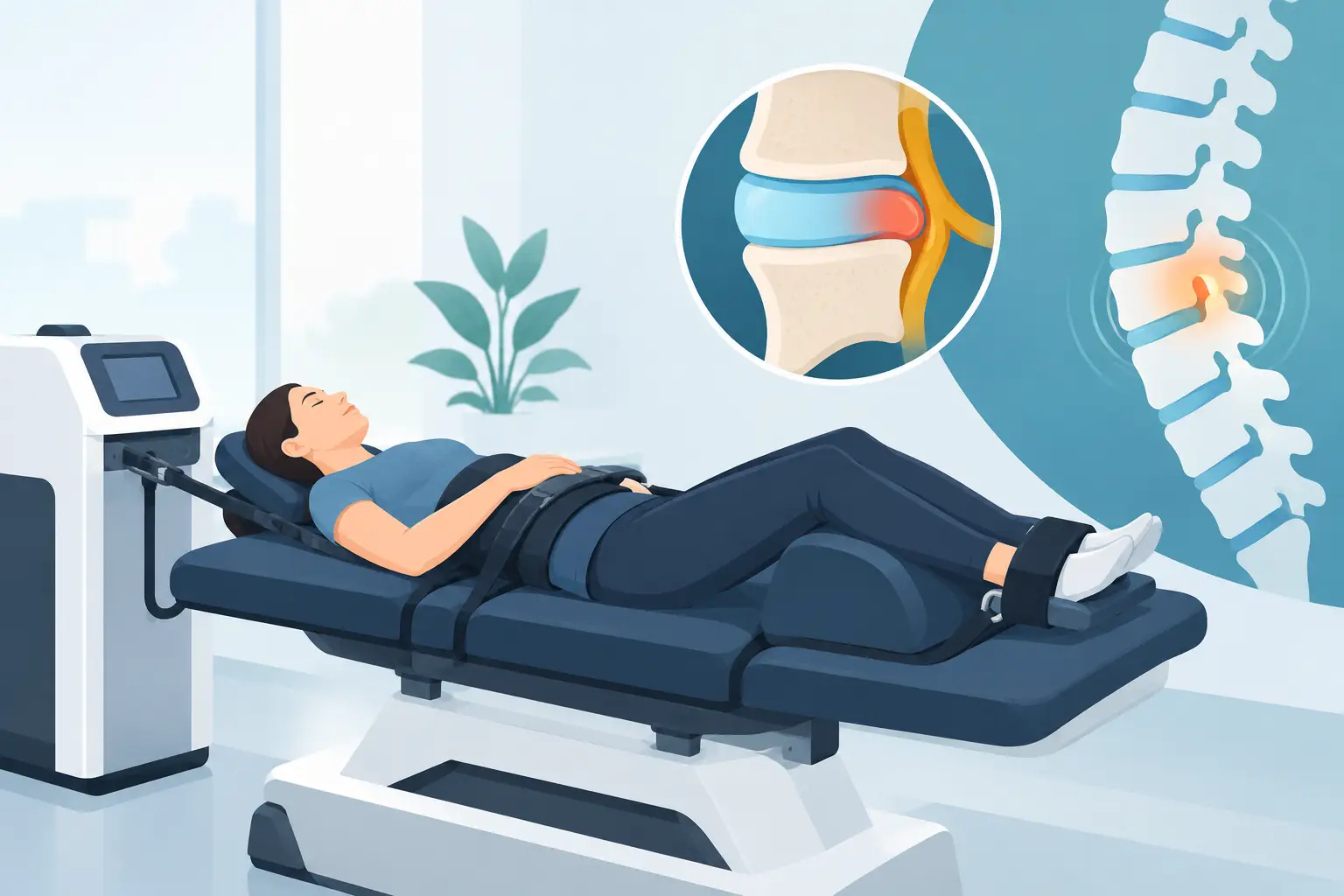
Interferential electrical stimulation may also be used to help manage pain and muscle spasm. Intersegmental traction can provide gentle movement and support circulation through the spine. These therapies are not a substitute for a proper examination, but they can be useful parts of a personalized plan when clinically appropriate.
Restoring range of motion without rushing recovery
A stiff neck changes more than your comfort. It can make it difficult to check a blind spot, sit at a desk, lift a child, sleep comfortably, or return to exercise. Chiropractic care focuses on helping you regain practical movement safely and progressively.
Your treatment plan may include guided mobility work, posture recommendations, and activity modifications that fit your daily routine. The right pace matters. Too much rest can leave the neck stiffer, while returning to heavy activity too soon can aggravate symptoms. Recovery should be measured by how you are functioning, not only by whether pain is briefly less intense on a given day.
A Personalized Plan Matters After an Auto Accident
Whiplash does not look the same for every patient. The force and direction of impact, whether you were the driver or passenger, your prior injuries, and the position of your head at impact can all affect recovery. Someone with a pre-existing disc condition, chronic headaches, or prior neck pain may need a different approach than someone with no prior symptoms.
A well-organized treatment plan often includes an initial evaluation, regular re-evaluations, and care that evolves as your symptoms change. Early visits may focus on reducing inflammation, pain, and protective muscle spasm. As movement improves, the focus can shift toward restoring function, building tolerance for normal activities, and preventing persistent limitations.
Cervical decompression may be considered for certain patients when disc-related discomfort, radiating symptoms, or nerve irritation are part of the clinical picture. It is not the right treatment for every person with whiplash. A provider should first determine whether it fits your diagnosis, symptoms, and safety needs.
Why Early Documentation Supports Your Recovery
If your whiplash followed a car accident or another personal injury event, timely documentation is part of responsible care. It creates a clear record of your symptoms, examination findings, treatment recommendations, progress, and functional limitations. This can be important when injuries are not visible from the outside but continue to affect your work and daily life.
For patients navigating a personal injury claim, treatment should not become another administrative burden. Coordinated communication with attorneys and insurance representatives, assistance with Letters of Protection, and organized clinical records can help keep care focused on healing. Transportation support and same-day availability may also make it easier to begin treatment when pain and logistics are both working against you.
Documentation is not about exaggerating an injury. It is about accurately recording what happened, how your condition affects you, and what care is medically recommended. Be honest about symptoms, report changes promptly, and attend the visits outlined in your plan whenever possible.
What You Can Do Between Visits
Your care plan extends beyond the treatment room. Small choices at home, at work, and in the car can help prevent repeated strain while your neck recovers. Follow the activity guidance provided by your clinician, and avoid testing your limits just because you have a better day.
Use a supportive sleeping position that keeps your neck as neutral as possible. Take regular breaks from looking down at a phone or laptop. When driving, adjust your headrest so it is positioned behind the middle of your head, not below your neck. If heat, ice, or gentle movement is recommended for your specific condition, use it as directed.
Pay attention to patterns. A headache after long screen time, increased pain after lifting, or tingling that develops with certain movements can give your provider useful information. Recovery plans work best when they are adjusted to what your body is actually doing day to day.
When Whiplash Becomes Ongoing Pain
Many people improve with timely, consistent care, but some develop symptoms that linger. Persistent neck stiffness, recurring headaches, sleep disruption, fear of movement, and radiating arm symptoms can affect quality of life long after the collision. This does not mean you have to accept pain as your new normal.
Ongoing symptoms may call for a fresh evaluation and a more focused rehabilitation strategy. The answer may involve changing the type or frequency of treatment, addressing contributing posture and muscle patterns, or coordinating with another medical provider. Good care recognizes when progress is happening, when it has stalled, and when additional evaluation is warranted.
After an accident, you deserve a care team that takes both your pain and your practical concerns seriously. Seeking an evaluation early can give you a clearer path forward, help protect your range of motion, and let you focus on healing with confidence.