A crash can feel surprisingly manageable in the first few hours. You may exchange information, get home, and assume the soreness will pass. Then the next morning, turning your head to check traffic hurts, a headache starts building, or your shoulders feel tight and heavy. These are common signs of delayed whiplash, and they deserve attention rather than being dismissed as ordinary post-accident stiffness.
Whiplash occurs when a sudden force causes the head and neck to move rapidly back and forth. This can strain muscles, ligaments, joints, and other soft tissues in the neck and upper back. Even a low-speed collision can create enough force to cause injury. Prompt evaluation helps identify what is contributing to your symptoms and creates a clear path toward reducing pain, restoring mobility, and documenting your recovery.
Why Whiplash Symptoms Can Be Delayed
Right after an accident, adrenaline can temporarily mask pain. Your body is focused on responding to a stressful event, not necessarily signaling every sore or strained area. Once that response settles, discomfort may become much more noticeable.
Inflammation can also take time to develop. A strained muscle or irritated joint may feel only mildly tender at first, then become stiff and painful as swelling and muscle guarding increase over the next 24 to 72 hours. People often compensate without realizing it, holding the neck rigidly or changing how they sit, sleep, drive, or carry a bag. Those protective movements can add strain to the shoulders, upper back, and low back.
The timing varies. Some people feel pain the same day, while others do not develop clear symptoms until several days later. Delayed symptoms do not mean the injury is minor, nor do they automatically mean there is a serious structural problem. They do mean it is wise to be assessed by a qualified healthcare provider who can evaluate your condition in context.
Common Signs of Delayed Whiplash
Delayed whiplash does not look exactly the same for everyone. Pain may be concentrated in the neck, or it may show up as headaches, shoulder tension, or difficulty moving normally. Pay attention to changes that interfere with work, sleep, driving, family responsibilities, or exercise.
Neck pain and reduced range of motion
A stiff neck is one of the most recognizable symptoms. You may have trouble looking over your shoulder, tilting your head, or looking down at a phone or computer. Some people describe a pulling sensation along one side of the neck; others feel deep aching at the base of the skull or across both shoulders.
Reduced movement can happen because inflamed tissues are painful, but it can also result from muscle spasms and protective tension. Forcing the neck through sharp pain is not a useful test. A careful evaluation can help determine which movements are limited and what type of care is appropriate.
Headaches that begin after the crash
Headaches are another frequent sign of delayed whiplash. They may start at the base of the skull and travel toward the forehead, temples, or behind the eyes. Neck tension, irritated joints, altered posture, and muscle trigger points can all contribute.
A headache after an accident should not be ignored simply because it is mild at first. Keep track of when it began, how often it occurs, what makes it worse, and whether it comes with dizziness, nausea, sensitivity to light, or concentration changes. Those details help guide your evaluation.
Shoulder, upper-back, or arm discomfort
Whiplash affects more than the neck. The muscles connecting the neck, shoulders, and upper back often absorb force during a collision. You may wake with tight trapezius muscles, burning between the shoulder blades, or aching that spreads toward the arms.
Tingling, numbness, weakness, or pain that travels down an arm can suggest nerve irritation and should be assessed promptly. These symptoms require a more thorough examination than simple muscle soreness because the best treatment plan depends on the cause.
Dizziness, fatigue, and trouble concentrating
Some people feel off balance, unusually tired, irritable, or unable to focus after a collision. Poor sleep from pain can make these symptoms worse, but dizziness and concentration changes can also overlap with concussion-related concerns. Do not assume every post-accident symptom is whiplash.
A provider can help determine whether chiropractic care is appropriate, whether co-management or additional medical evaluation is needed, and which activities should be modified while you recover. Clear communication is especially helpful if symptoms change over time.
Jaw pain and disrupted sleep
The force of an accident can lead to clenching and tension in the jaw, neck, and face. You may notice jaw soreness when chewing, a feeling of pressure near the temples, or waking up with more pain than you had at bedtime. Difficulty finding a comfortable sleep position is also common when the neck and upper back are inflamed.
These symptoms can feel disconnected from the accident, particularly when they appear days later. Mention them during your evaluation so they are considered as part of the full injury picture.
When Delayed Symptoms Need Urgent Care
Most whiplash-related pain can be evaluated through a scheduled clinical visit, but certain symptoms need immediate medical attention. Seek emergency care or call 911 if you experience severe or worsening headache, loss of consciousness, confusion, repeated vomiting, new weakness or numbness, difficulty walking, trouble speaking, vision changes, chest pain, or loss of bladder or bowel control.
These warning signs can point to conditions that require urgent medical assessment. If you are unsure how serious a symptom is, it is safer to seek timely medical guidance rather than wait for it to resolve on its own.
What a Thorough Post-Accident Evaluation Should Include
A useful evaluation is more than a quick look at where it hurts. It should begin with the details of the collision, including the direction of impact, your position in the vehicle, seat belt use, airbag deployment, and when symptoms began. These details help explain how force may have affected your body.
The clinical exam may assess posture, range of motion, muscle tenderness, joint mobility, strength, reflexes, and signs of nerve involvement. Your provider should also ask about headaches, sleep disruption, dizziness, prior injuries, work demands, and daily activities that have become difficult. When appropriate, diagnostic imaging or referral for additional medical evaluation may be recommended.
For personal injury patients, timely documentation matters as well. Waiting weeks to report symptoms can make it harder to show how your condition changed after the accident. Keeping notes about pain levels, limitations, missed work, medication use, and medical visits can support both continuity of care and an organized insurance or legal claim.
Care That Supports Recovery Without Surgery
Treatment for delayed whiplash should be individualized. The right approach depends on your exam findings, symptom severity, health history, and goals. Early care often focuses on calming pain and inflammation while helping you safely regain comfortable movement.
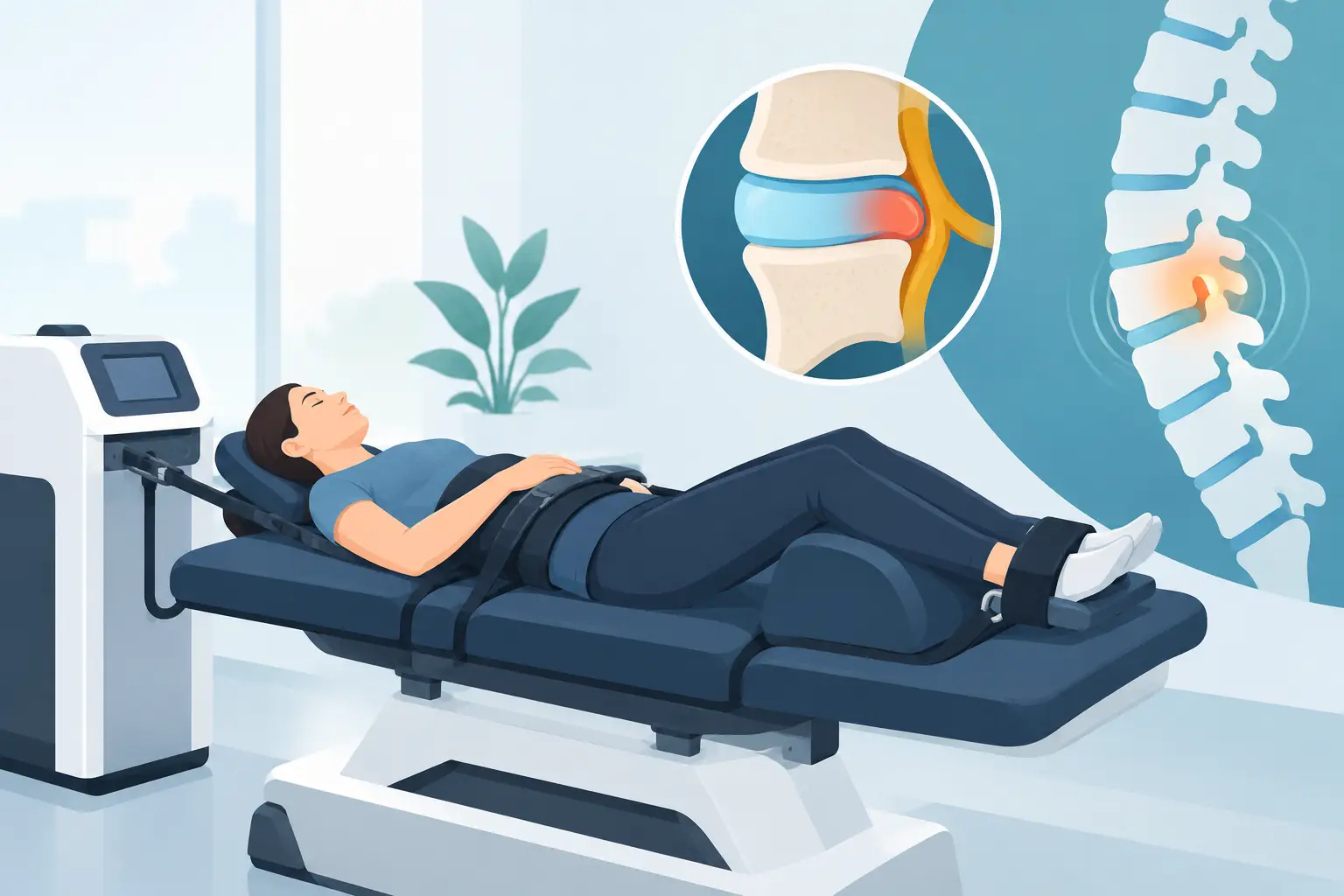
At Westside Spine & Injury, a personalized plan may include gentle chiropractic adjustments, cervical decompression, intersegmental traction, interferential electrical stimulation, trigger point therapy, and recovery therapies designed to address muscle tension and restricted movement. Care is adjusted as symptoms improve, with the goal of helping you return to driving, working, sleeping, and moving with greater confidence.
Rest can be helpful in the very early stage, but prolonged inactivity may increase stiffness for some people. The balance matters. Your provider may recommend activity modifications and gradual movement rather than pushing through pain or avoiding all movement for too long. If a treatment causes symptoms to worsen significantly, report it so your plan can be adjusted.
Do Not Wait for Pain to Become Disruptive
It is easy to minimize soreness after a crash, especially when you are managing vehicle repairs, insurance calls, work obligations, and family life. Yet pain that appears a day or two later is still worth documenting and evaluating. Same-day appointments, transportation support, and coordination with attorneys or insurance representatives can reduce some of the practical barriers that keep people from focusing on healing.
If your neck feels tighter each morning, headaches are becoming more frequent, or simple movements are starting to hurt, schedule an evaluation. Getting clear answers early can help you make informed decisions, protect your recovery, and move forward with a plan that fits your life.