A rear-end collision can leave a vehicle with little visible damage while the driver wakes up the next day unable to turn their head, concentrate at work, or sleep comfortably. So, is whiplash permanent? Usually, no. Many people improve substantially with appropriate care and a gradual return to normal activity. But symptoms can persist for months or longer when an injury is more severe, treatment is delayed, or other neck and nervous system conditions are involved.
Whiplash deserves attention even when pain seems manageable at first. A clear evaluation helps identify what is injured, document accident-related symptoms, and build a plan focused on reducing pain, restoring mobility, and supporting a confident return to daily life.
Is Whiplash Permanent for Some People?
Whiplash is not a single, identical injury. It describes the forceful back-and-forth movement of the head and neck, often during an auto accident. That motion can strain muscles and ligaments, irritate joints, aggravate spinal discs, and sensitize nearby nerves. The symptoms may include neck pain and stiffness, headaches, shoulder or upper-back pain, dizziness, fatigue, jaw discomfort, and trouble focusing.
For many patients, the body heals over days or weeks. Others develop ongoing symptoms often referred to as chronic whiplash-associated disorder. That does not mean the condition is automatically permanent or that improvement is out of reach. It means the recovery process may require a more complete assessment and a consistent, individualized treatment plan.
Persistent pain is often influenced by more than the original force of impact. Preexisting arthritis, prior neck injuries, disc problems, poor sleep, high stress, limited movement after the accident, and untreated inflammation can all complicate recovery. The intensity of pain immediately after a collision can matter, but it cannot reliably predict every person’s outcome on its own.
Why Whiplash Symptoms Can Last
The neck is built to move, stabilize the head, and protect sensitive nerves. After a sudden collision, muscles may tighten as a protective response. While that guarding can be useful briefly, ongoing tension may restrict range of motion and contribute to headaches, shoulder pain, and altered movement patterns.
Joint irritation can be another source of lasting discomfort. Small spinal joints in the cervical spine may become painful when they are compressed or stretched beyond their normal range. In some cases, a disc injury or nerve irritation contributes to radiating pain, tingling, numbness, or weakness into the shoulder, arm, or hand.
Pain can also become more sensitive over time. When sleep is disrupted and normal movement is avoided because it hurts, the nervous system may remain on alert. This is not a sign that pain is “all in your head.” It is a real part of how the body responds to injury and why a plan that addresses movement, muscle tension, inflammation, and function can be more helpful than simply waiting for symptoms to disappear.
When to Seek Care After an Accident
A prompt evaluation is appropriate after an accident when neck pain, headaches, stiffness, or reduced movement appear, even if they begin several hours or days later. Adrenaline and the immediate stress of a collision can mask symptoms early on. Waiting until pain becomes severe can make it harder to establish a baseline for both treatment and injury documentation.
Some symptoms require urgent medical attention rather than routine chiropractic care. Seek emergency evaluation for severe or worsening headache, loss of consciousness, confusion, repeated vomiting, new problems with balance, significant weakness, loss of bladder or bowel control, chest pain, or difficulty speaking. These may signal injuries that need immediate medical assessment.
For non-emergency symptoms, a thorough examination can help distinguish a straightforward soft-tissue injury from signs of nerve involvement, disc-related pain, or another condition needing additional imaging or medical referral. The goal is not to assume every sore neck is the same. It is to make informed treatment decisions based on your symptoms, movement, history, and response to care.
What a Structured Whiplash Recovery Plan May Include
There is no one treatment that fits every whiplash injury. The right approach depends on the tissues involved, symptom severity, your health history, and how your body responds over time. A good plan should be adjusted as function improves.
Early care often focuses on calming pain and inflammation while avoiding unnecessary immobilization. Gentle, guided movement can help prevent stiffness and restore confidence using the neck normally. Depending on the evaluation, care may include chiropractic adjustments, soft-tissue or trigger point therapy, intersegmental traction, interferential electrical stimulation, or other therapies intended to reduce muscle tension and support circulation.
As acute pain improves, treatment should increasingly focus on mobility, posture, muscle control, and daily activities. For a parent, that may mean turning comfortably to check a blind spot or lifting a child without a pain flare. For someone returning to work, it may mean sitting at a desk, driving, or looking down at a screen without triggering headaches.
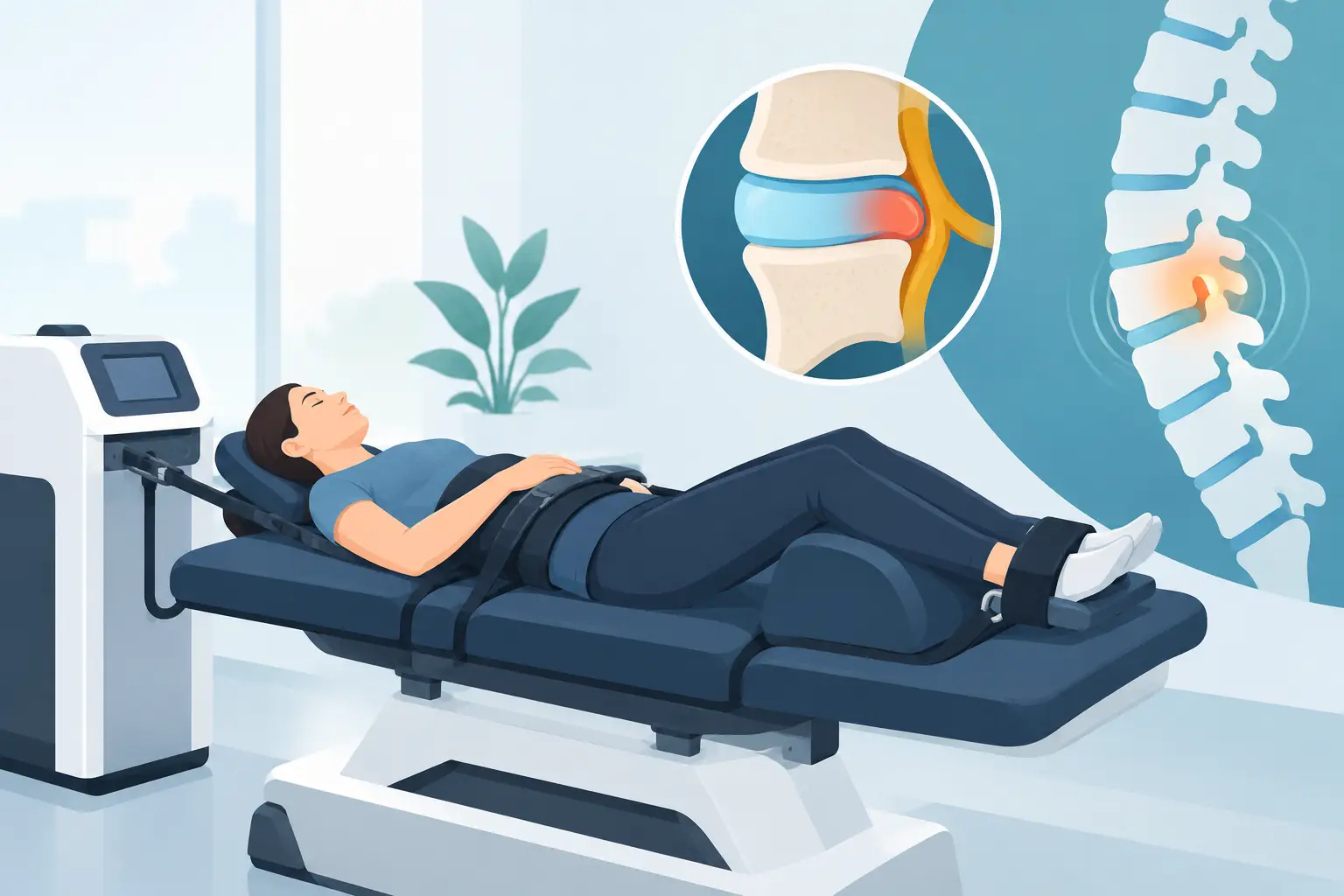
Cervical decompression may be considered when an evaluation suggests disc-related pressure or nerve symptoms and when it is clinically appropriate. It is not a universal answer for every case. The value of any therapy comes from matching it to the patient’s condition and reassessing progress rather than relying on a one-size-fits-all routine.
The Role of Rest, Activity, and Daily Habits
Complete rest for long periods can leave the neck more stiff and sensitive. On the other hand, pushing through sharp pain or returning too quickly to strenuous workouts can aggravate symptoms. The practical middle ground is paced activity: stay gently active within tolerable limits and gradually increase what you can do as your body allows.
Simple habits can support the clinical plan. Use a supportive sleep position, take brief movement breaks during computer work, avoid holding a phone between your shoulder and ear, and follow the home recommendations provided by your clinician. If driving is painful, adjust the seat and head restraint properly, allow extra time for turns, and avoid driving when you cannot safely check your surroundings.
Recovery is rarely perfectly linear. A busy workweek, poor sleep, a long drive, or a sudden awkward movement can cause a temporary flare. That does not necessarily mean you are back at the beginning. Consistent communication about changes in symptoms helps the treatment plan stay responsive.
Documentation Matters in Personal Injury Cases
After an auto accident, recovery can involve medical appointments, insurance questions, missed work, vehicle concerns, and legal decisions. Keeping accurate records of symptoms and treatment is useful for your care and may also matter if you have a personal injury claim.
Document when symptoms began, what activities are limited, how pain affects sleep or work, and any changes such as headaches, numbness, or dizziness. Clinical records should reflect your initial evaluation, treatment recommendations, progress, and functional limitations. This creates a clearer picture of the injury rather than relying on memory months later.
For patients working with an attorney, coordinated communication can reduce administrative stress while they focus on healing. Westside Spine & Injury can assist with treatment documentation, Letters of Protection, attorney communication, insurance coordination, and transportation support when available.
A More Encouraging Question to Ask
Instead of asking only whether whiplash will last forever, ask what is limiting your recovery right now. Is it restricted movement, persistent muscle guarding, headaches, nerve symptoms, poor sleep, or uncertainty about what to do after the collision? Those answers guide the next step.
Most whiplash injuries improve, but persistent symptoms should not be dismissed as something you simply have to live with. A timely, personalized evaluation can clarify your options, track your progress, and help you move toward less pain and more freedom in the parts of life that matter most.