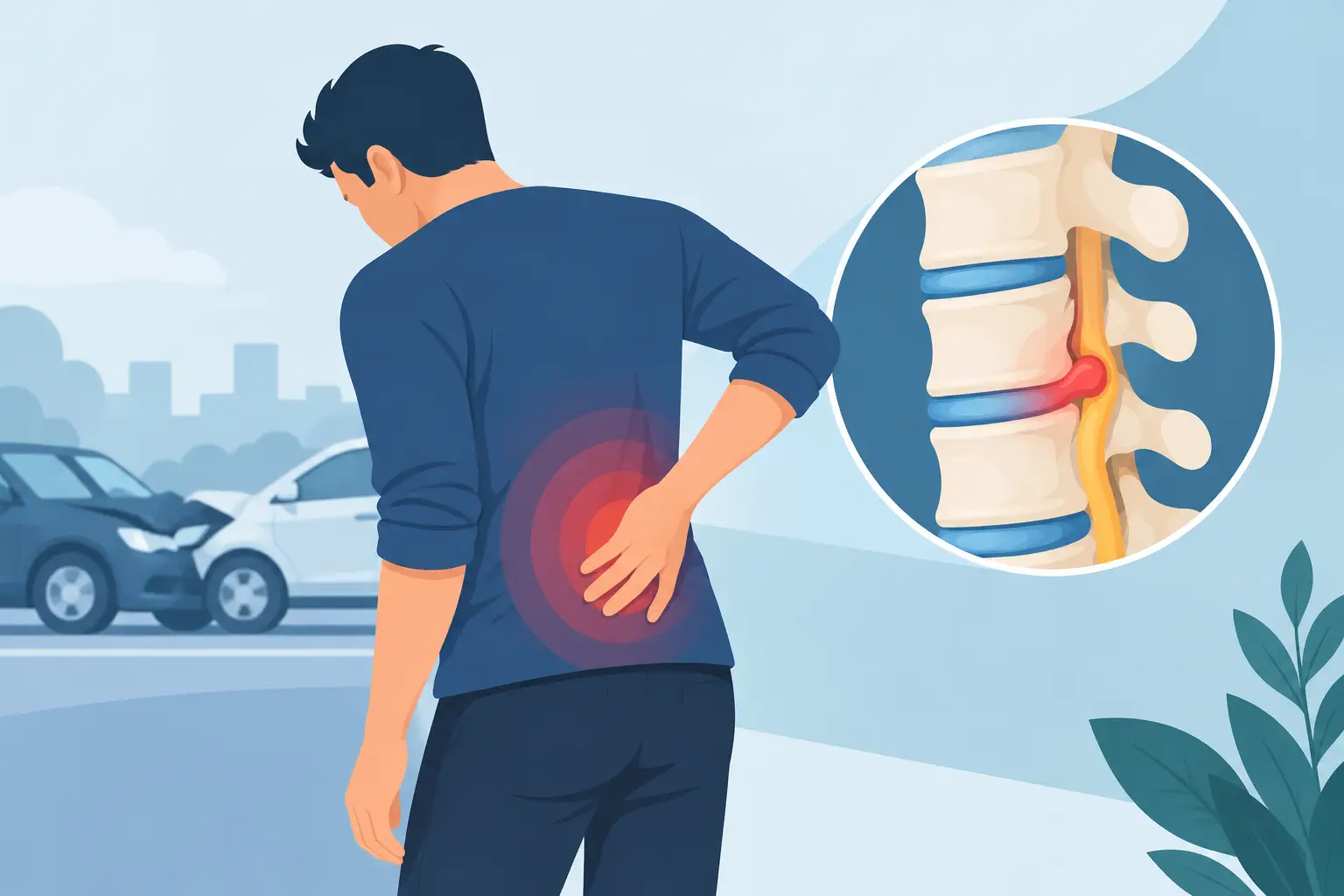
A sharp pain down the leg, numbness in the hand, or a back that will not loosen after a car accident can make one question feel urgent: is this going to require surgery? The choice between spinal decompression versus surgery is rarely as simple as picking the faster option. It depends on the source of pain, the severity of nerve involvement, imaging findings, daily function, and how your body responds to conservative care.
For many people with disc-related pain, sciatica, neck pain, or restricted mobility, a structured non-surgical treatment plan can reduce symptoms and restore movement without an operation. For others, surgery is necessary to protect nerve function or address a condition that is unlikely to improve otherwise. A thorough evaluation helps separate those situations and gives you a clear path forward.
What non-surgical spinal decompression is designed to do
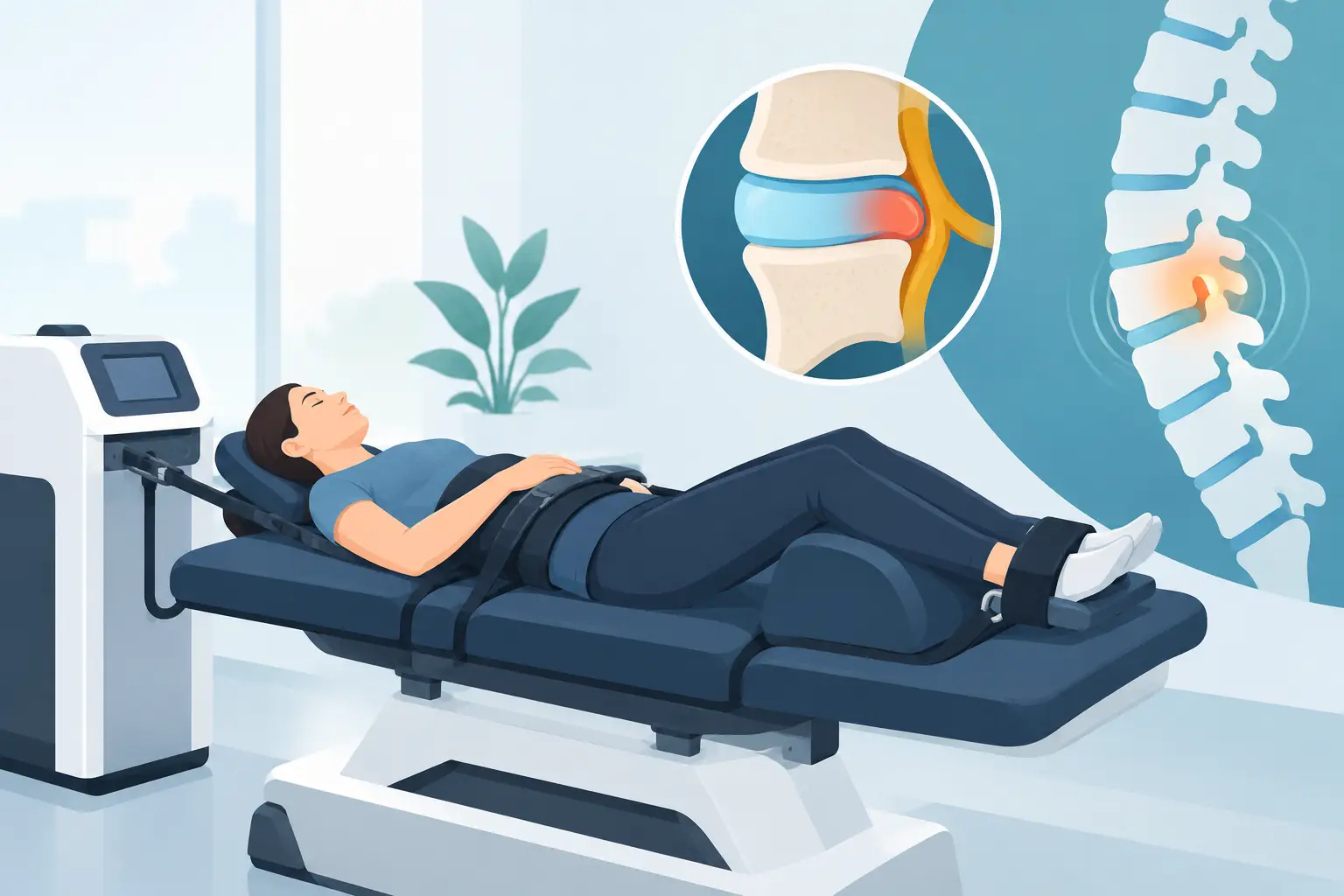
Spinal decompression therapy is a controlled form of traction. Using specialized equipment, the spine is gently stretched and released in carefully measured cycles. The goal is to reduce pressure within spinal discs and around irritated nerve structures while supporting circulation and movement in the affected area.
When a disc is injured or bulges beyond its normal boundary, it may irritate a nearby nerve root. This can lead to low back pain, pain that travels into the buttock or leg, tingling, numbness, or weakness. In the neck, disc and nerve irritation may contribute to pain that extends into the shoulder, arm, or hand. Decompression is often considered for people with disc-related symptoms, degenerative disc changes, sciatica, or persistent neck and back pain when clinically appropriate.
The treatment itself is typically comfortable. A patient is positioned on the table, secured with supports, and guided through a customized traction program. It is not the same as forceful manipulation, and it is not simply hanging upside down on an inversion table. Settings should be based on the patient’s condition, tolerance, and treatment goals.
At Westside Spine & Injury, decompression may be paired with chiropractic care, intersegmental traction, electrical stimulation, trigger point therapy, and guided recovery recommendations. The purpose of combining therapies is not to add treatments for their own sake. It is to address the mechanical pressure, muscle guarding, inflammation, and limited motion that can keep pain active after an injury.
Spinal decompression versus surgery: the central difference
Non-surgical decompression aims to improve symptoms and function through gradual, conservative care. Surgery physically changes the anatomy by removing, repairing, stabilizing, or creating more space around affected spinal structures.
Common spinal procedures may include a discectomy or microdiscectomy to remove part of a disc pressing on a nerve, laminectomy or laminotomy to relieve pressure from the spinal canal, and spinal fusion to stabilize certain painful or unstable segments. The right procedure depends on the diagnosis. Surgery can be highly beneficial in the right case, but it also brings anesthesia, recovery time, potential complications, and a period of activity restrictions.
Decompression does not repair every spinal problem, reverse severe structural damage, or replace surgery when nerve function is at risk. It is a conservative option that may help appropriate patients reduce pain, improve mobility, and tolerate rehabilitation more comfortably. A surgical procedure may provide more direct relief when a compressed nerve is causing progressive weakness or when a structural problem requires correction.
Neither option should be treated as a universal answer. The better question is: what does your examination show, and what level of care is appropriate for your specific condition?
When conservative care may be a reasonable first step
Many back and neck conditions improve with time and properly directed conservative treatment. This is especially true when symptoms are painful but stable, strength is intact, and there are no signs of a medical emergency. A clinician may recommend an initial course of non-surgical care when the examination supports a mechanical or disc-related cause that can be managed without immediate surgery.
A personalized plan often begins with a detailed history, orthopedic and neurological testing, and a review of available imaging or referrals for imaging when needed. Treatment should account for where pain travels, what movements worsen it, whether symptoms began after a collision, and how the condition affects work, sleep, driving, exercise, and family responsibilities.
Progress matters more than a calendar alone. Some patients notice that pain becomes less frequent, sitting is easier, or they can turn their head farther within several visits. Others improve more gradually. If symptoms are unchanged, worsening, or inconsistent with the initial diagnosis, the treatment plan should be reassessed rather than continued automatically.
For auto accident patients, early evaluation can be particularly helpful. Whiplash and soft-tissue injuries may cause significant pain before every symptom is obvious. Clear clinical documentation, ongoing functional assessments, and communication with the broader care team help keep treatment organized while the patient focuses on healing.
When a surgical opinion should not wait
Some symptoms need urgent medical evaluation and may require surgical consultation. Seek emergency care immediately for new loss of bowel or bladder control, numbness in the groin or saddle area, sudden inability to walk, or rapidly progressing weakness in an arm or leg. These can be signs of serious nerve compression that should not be managed with routine conservative care.
A timely specialist evaluation is also appropriate for persistent or worsening muscle weakness, severe pain that remains disabling despite a well-directed course of care, spinal fracture or instability, infection, tumor concerns, or significant spinal cord compression. After a major accident, severe trauma and symptoms that suggest fracture or neurological injury require medical assessment before chiropractic or decompression treatment is considered.
A recommendation for a surgical opinion is not a failure of conservative care. It is responsible care. The goal is always to make sure the patient receives the level of treatment that best protects long-term health and function.
What recovery looks like with each option
Non-surgical care generally allows people to remain active within comfortable limits. Treatment sessions are usually brief, and recovery plans may include changes to posture, movement habits, work setup, stretching, and gradual strengthening. Improvement can take several weeks, particularly when pain has been present for months or follows a traumatic injury.
Surgical recovery varies widely by procedure and the patient’s overall health. Some patients go home the same day after a minimally invasive procedure, while fusion and more complex operations may require a longer recovery. Physical therapy or rehabilitation is often part of the process. Surgery can address a specific structural problem, but it does not automatically eliminate all back or neck pain, especially when muscle deconditioning, arthritis, or multiple pain generators are involved.
It is also fair to consider practical concerns. Time away from work, transportation, caregiving duties, insurance authorization, and personal injury claims can affect treatment decisions. Those details should never override medical need, but a coordinated clinic can help reduce the administrative burden. For patients using a Letter of Protection, organized records and communication with attorneys and insurance representatives can keep care moving without adding unnecessary stress.
How to make a confident decision
A good decision starts with a diagnosis, not a sales pitch. Ask what structure is believed to be causing the symptoms, whether there are objective neurological findings, what conservative options are appropriate, and what signs would trigger a surgical referral. If imaging has been performed, ask how the findings match your actual symptoms. Disc bulges and degenerative changes are common, and an image alone does not always explain pain.
It is reasonable to seek a second opinion when surgery is recommended, especially if symptoms are stable and there is no emergency. It is equally reasonable to consult a surgeon when conservative treatment has not produced meaningful improvement or when weakness is present. The most helpful providers do not frame these paths as competing loyalties. They coordinate care around what gives the patient the best chance to reduce pain, restore mobility, and return to normal life.
You deserve a plan that is specific, monitored, and responsive to your progress. If neck or back pain after an accident is disrupting your work, sleep, or ability to move with confidence, start with a thorough evaluation. The next step should feel clear: focused care when conservative treatment fits, prompt referral when it does not, and steady support throughout recovery.