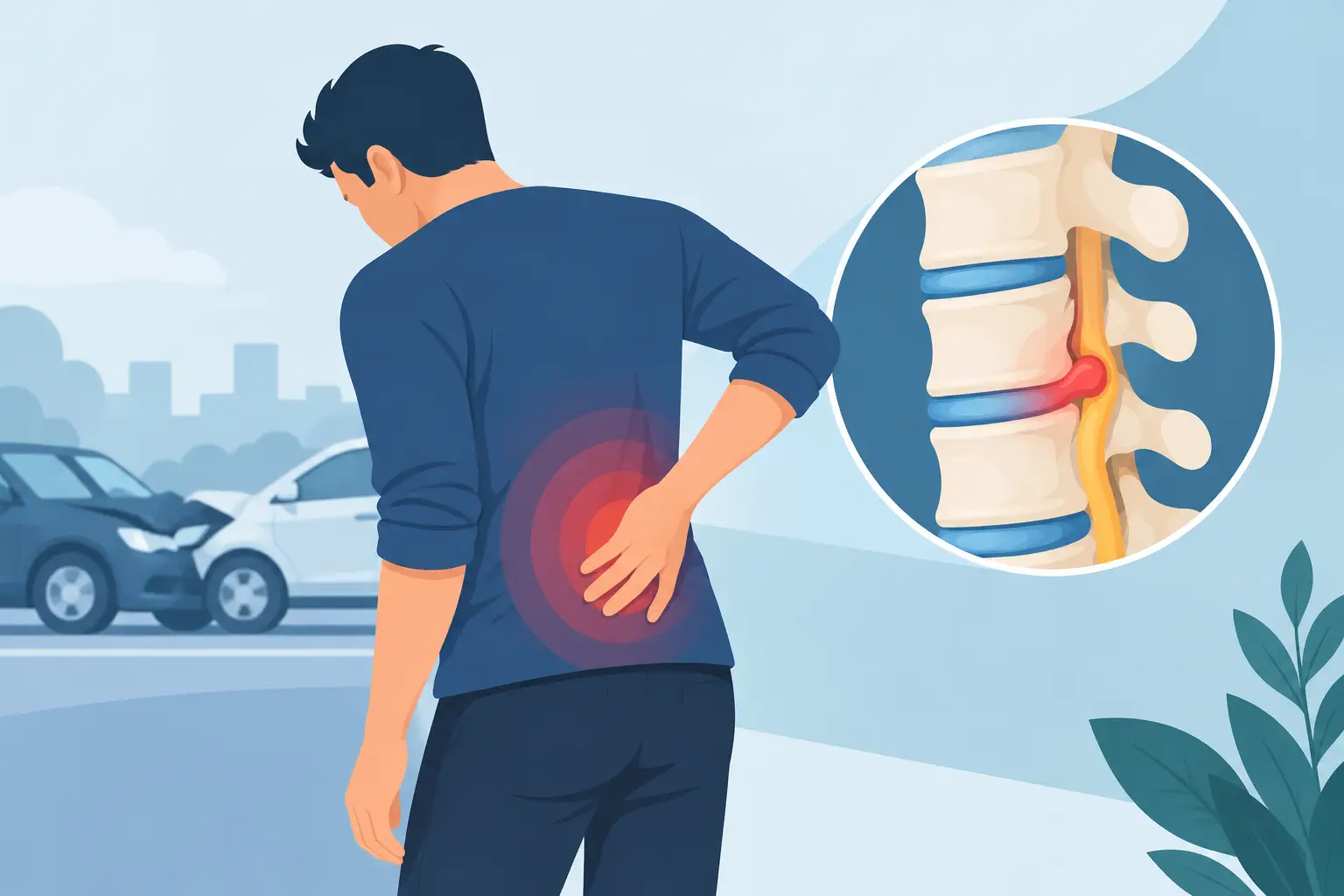
A sore neck after a rear-end collision can make turning your head, sleeping comfortably, or getting through a workday feel much harder than it should. When deciding between chiropractor versus physical therapy, the best answer is not always one or the other. The right care depends on your injury, symptoms, movement limitations, health history, and the kind of recovery support you need.
Both chiropractic care and physical therapy can play meaningful roles in non-surgical musculoskeletal recovery. They have different clinical focuses, and in some cases, they work well together. Understanding those differences can help you make a confident decision instead of delaying care while pain becomes more disruptive.
Chiropractor versus physical therapy: the main difference
Chiropractic care generally focuses on the relationship between the spine, joints, muscles, and nervous system. A chiropractor evaluates alignment, joint motion, posture, muscle tension, and areas where movement may be restricted or painful. Treatment often includes chiropractic adjustments, hands-on soft-tissue work, and supportive therapies intended to reduce pain, improve mobility, and help the body move more normally.
Physical therapy is centered on restoring function through movement-based rehabilitation. A physical therapist commonly evaluates strength, balance, walking, range of motion, and the way an injury affects daily activities. Treatment may include therapeutic exercises, stretching, manual therapy, movement retraining, and a home exercise program.
The overlap is significant. Both providers may use hands-on techniques, educate patients about posture and activity modification, and build plans around better movement. The difference often comes down to the primary emphasis: chiropractic care may focus more directly on spinal and joint restrictions, while physical therapy often emphasizes building strength, control, and endurance through active rehabilitation.
What chiropractic care may address
For someone with neck pain, low back pain, headaches, sciatica symptoms, or stiffness after an accident, chiropractic care can be especially helpful when joint restriction and muscle guarding are limiting movement. A thorough evaluation can identify painful areas and determine whether conservative treatment is appropriate.
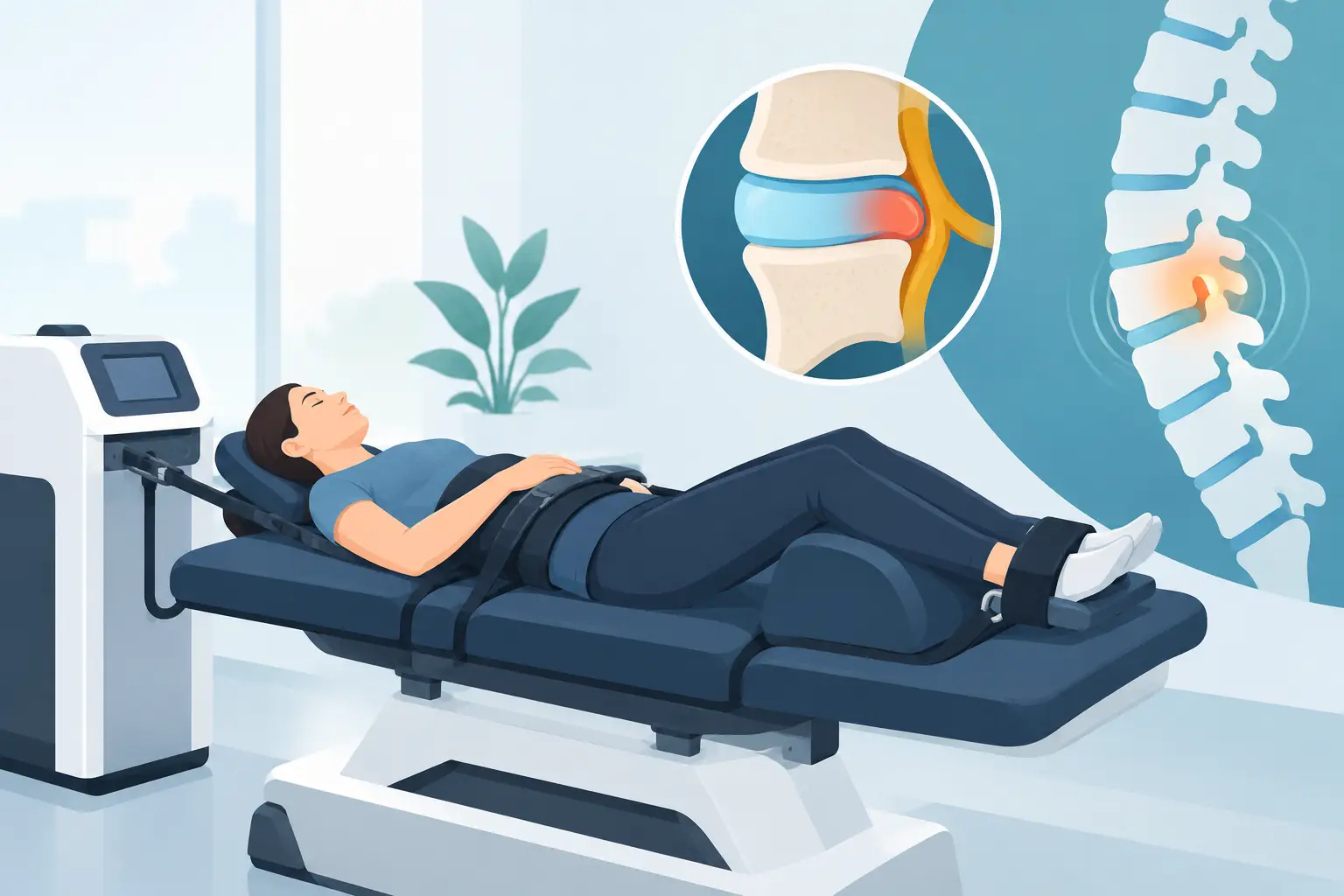
A personalized chiropractic plan may include spinal or extremity adjustments, cervical or spinal decompression, trigger point therapy, intersegmental traction, interferential electrical stimulation, and other therapies that support circulation and ease muscle tension. The goal is not simply temporary relief. It is to reduce pain and improve the mobility needed for work, driving, family responsibilities, and normal activity.
What physical therapy may address
Physical therapy can be particularly valuable when an injury has caused weakness, poor balance, reduced endurance, difficulty walking, or loss of confidence with movement. After pain begins to improve, progressive exercises can help rebuild the strength and stability needed to prevent compensations and support a safe return to activity.
For example, a person recovering from a knee injury may need targeted strengthening to climb stairs more comfortably. Someone with a shoulder injury may need guided exercises to regain overhead motion. A physical therapist can also help patients practice work-specific or sport-specific movements when those activities are part of their recovery goals.
Which option makes sense after an auto accident?
Auto accident injuries are not always obvious at the scene. Adrenaline can mask discomfort, and neck stiffness, headaches, back pain, numbness, or limited range of motion may appear later that day or over the next several days. Early evaluation matters because it creates a clear clinical record and allows a provider to identify injuries that need prompt attention or referral.
For whiplash, neck and back strain, joint pain, headaches, and accident-related muscle tension, chiropractic care may be an appropriate first step when a chiropractor performs a complete evaluation and determines conservative care is suitable. Treatment can address painful restrictions while helping restore comfortable motion.
Physical therapy may be added when the injury also requires more extensive strengthening, balance training, or functional rehabilitation. This is common when pain has caused someone to avoid moving normally for weeks, when an injury affects work duties, or when a patient needs structured progression back to exercise or physically demanding tasks.
There are times when neither option should be the first stop. Severe or worsening pain, new weakness, loss of bowel or bladder control, fainting, chest pain, significant head injury symptoms, or numbness that is rapidly progressing require urgent medical evaluation. A responsible provider will recognize these concerns and coordinate an appropriate referral.
Can you receive chiropractic care and physical therapy together?
Yes. For many injuries, these services are complementary rather than competing. Chiropractic treatment may help reduce joint restriction, pain, and muscle tightness so a patient can move more comfortably. Physical therapy can then build the strength, stability, and movement habits needed to maintain that progress.
The timing depends on the individual. Some patients benefit from beginning gentle movement and exercise early. Others need pain control and improved mobility before they can tolerate a more active program. A personalized plan should account for your diagnosis, current symptoms, job demands, prior injuries, and response to treatment.
Coordination matters. When providers understand what the other is addressing, the care plan can stay focused and avoid unnecessary duplication. For personal injury patients, organized clinical notes and consistent documentation also help communicate how the injury is affecting daily life and how treatment is progressing.
What to expect from a chiropractic evaluation
A quality evaluation should feel organized, not rushed. Your provider should ask how the injury happened, where you feel pain, whether symptoms travel into an arm or leg, what movements are difficult, and how the condition is affecting sleep, work, driving, and daily tasks. The examination may include posture assessment, range-of-motion testing, orthopedic testing, and other appropriate diagnostic steps.
From there, the provider should explain the findings in clear language. You should understand the recommended treatment approach, the expected goals, and when progress will be reassessed. No ethical provider can guarantee a specific outcome, but you should leave with a plan that makes sense for your condition.
For accident-related cases, administrative support can be just as important as clinical care. Westside Spine & Injury helps patients stay focused on healing by coordinating records, communicating with attorneys and insurance representatives when appropriate, and supporting Letters of Protection. That structure can reduce the stress that often comes with managing treatment after a collision.
How to choose the right provider for your needs
Start with the problem you need solved. If your main concern is spinal stiffness, acute neck or back pain, headaches, or limited joint motion after an accident, a chiropractic evaluation may be a practical place to begin. If weakness, poor balance, difficulty walking, or return-to-activity training is the central issue, physical therapy may be especially useful.
Also consider whether the provider has experience with your type of injury. Accident recovery is different from routine soreness after a workout. It may require careful documentation, a treatment plan that adapts as symptoms change, and communication with other professionals involved in your case.
Convenience matters, too. Care is more effective when you can attend consistently. Look for an office that offers accessible scheduling, explains the plan clearly, respects your concerns, and can provide language support when needed. If transportation, insurance questions, or legal paperwork are barriers, ask about those details before starting treatment.
The most helpful choice is the one that addresses your current pain while supporting your longer-term function. Whether you begin with chiropractic care, physical therapy, or a coordinated combination, timely evaluation gives you a clearer path to relief, restored mobility, and the confidence to move forward.