Disc pain can make ordinary movements feel uncertain. Sitting through a workday, getting in and out of a car, lifting a child, or simply turning in bed may trigger sharp back pain, stiffness, or pain that travels into the buttock, leg, shoulder, or arm. The best treatments for disc pain are not one-size-fits-all. They begin with identifying the source of symptoms and building a plan that reduces irritation, restores mobility, and protects your ability to function.
A disc condition does not automatically mean surgery. Many people improve with timely, individualized non-surgical care, especially when treatment addresses both the spinal joint mechanics and the surrounding muscles, inflammation, and movement limitations. The right plan depends on your symptoms, medical history, the way the injury occurred, and whether nerve involvement is present.
What disc pain can feel like
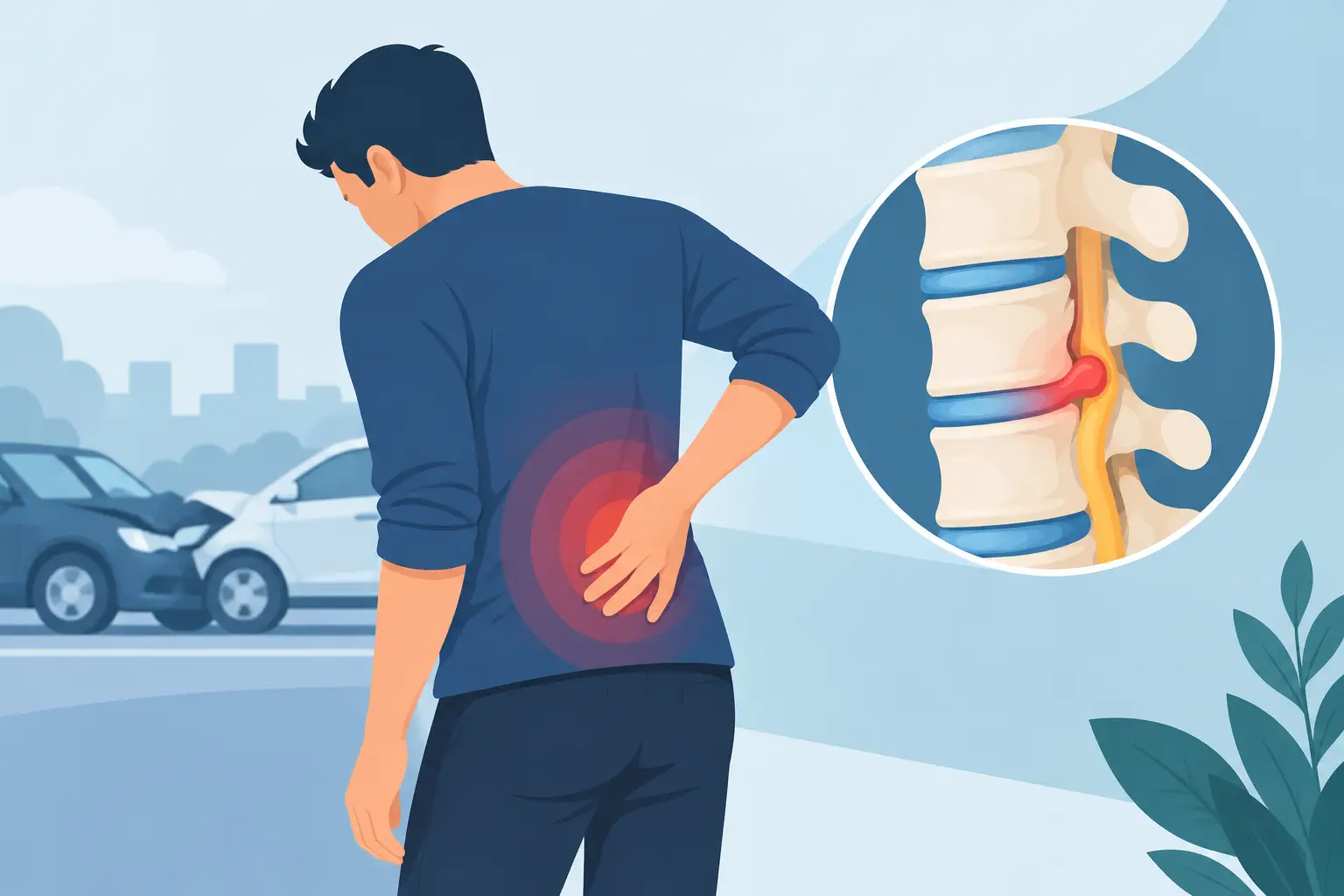
Spinal discs are flexible cushions between the bones of the spine. They help absorb force and allow the spine to bend and move. A disc may become irritated, bulge, herniate, or lose some of its normal height and hydration over time. Auto accidents, lifting injuries, repetitive strain, and age-related changes can all contribute.
Pain does not always stay in the back or neck. When a disc irritates or places pressure near a nerve, symptoms may include tingling, numbness, burning pain, muscle weakness, or pain that travels down an arm or leg. Low back disc problems may contribute to sciatica, while cervical disc problems can create neck pain that radiates into the shoulder, arm, or hand.
The location of pain alone cannot confirm a disc injury. Muscle strain, facet joint irritation, hip problems, and other conditions can create similar symptoms. That is why a thorough evaluation matters before choosing treatment.
Start with a clear evaluation, not a guess
The most effective care starts by understanding how your symptoms behave. A clinician should review when the pain began, whether it followed an accident or injury, what movements worsen it, and whether symptoms travel into an extremity. A physical examination can assess posture, spinal motion, muscle tension, reflexes, strength, and sensation.
Imaging is sometimes appropriate, but it is not always the first step. Many people have disc bulges on imaging without pain, while others have significant symptoms with findings that need careful clinical context. Your provider may coordinate with other medical professionals when imaging, medication, injections, or a specialist consultation is appropriate.
For auto accident patients, early documentation has another practical benefit. Detailed records can connect symptoms, examination findings, treatment progress, and functional limitations to the injury event. This supports a more organized recovery process while your body heals.
Best treatments for disc pain often begin conservatively
For many disc-related conditions, a conservative plan is the appropriate first approach. The goal is not to force the spine into painful movement. It is to calm irritated tissues, improve motion gradually, support circulation, and help the body return to more normal mechanics.
Personalized chiropractic care
Chiropractic adjustments may help improve restricted joint movement and reduce mechanical stress around the affected area when they are clinically appropriate. Treatment should be adapted to the patient, especially after a collision or when pain is acute. Some patients respond well to gentle adjustments, while others need a slower approach focused first on muscle relaxation and decompression.
The value of chiropractic care is not a single adjustment. A structured plan can monitor how symptoms respond over time and adjust treatment as pain decreases and mobility improves. The goal is practical: make it easier to sit, stand, walk, sleep, work, and return to daily responsibilities with more confidence.
Spinal or cervical decompression
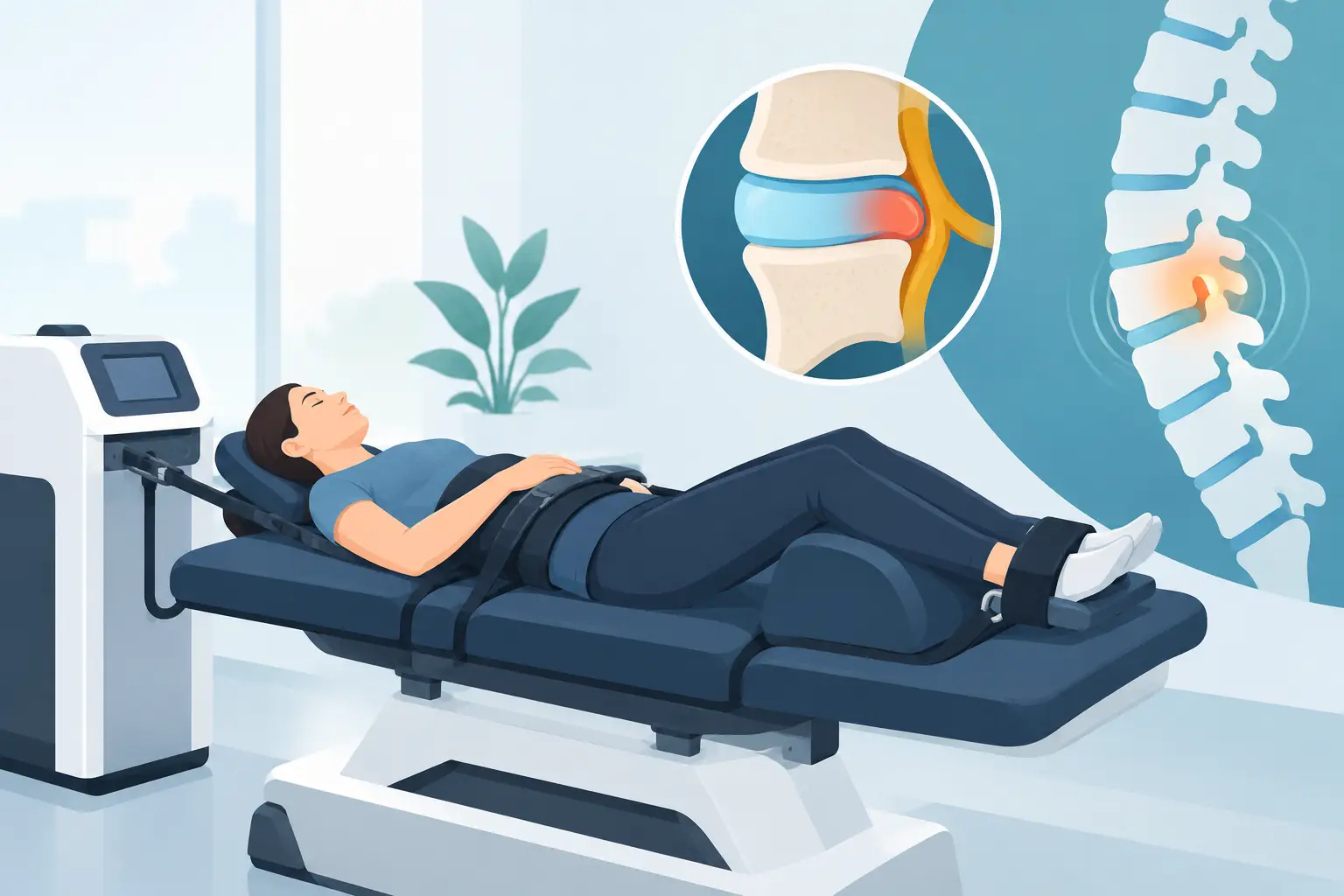
Decompression therapy uses controlled traction to gently reduce pressure through targeted areas of the spine. For some patients with disc-related neck or back pain, this may help relieve symptoms by creating space, reducing muscle guarding, and improving tolerance for movement.
It is not right for every condition. A careful screening process is essential, particularly if there is significant instability, fracture risk, severe osteoporosis, certain surgical histories, or worsening neurologic symptoms. When appropriate, decompression is usually one part of a broader plan rather than a stand-alone solution.
Muscle and inflammation-focused therapies
Disc pain often causes the surrounding muscles to tighten protectively. That tension can add stiffness and make pain feel more widespread. Therapies such as trigger point therapy, intersegmental traction, and interferential electrical stimulation may help reduce muscle tension, encourage circulation, and provide pain relief while the patient works toward better movement.
These therapies are most useful when they support active recovery. Feeling temporary relief is valuable, but lasting progress usually also requires better movement habits, gradual conditioning, and a plan for returning to normal activity without repeatedly aggravating symptoms.
Guided movement and activity changes
Complete bed rest is rarely the answer for uncomplicated disc pain. Too much inactivity can lead to more stiffness, weaker supporting muscles, and greater fear of movement. At the same time, pushing through sharp or radiating pain can prolong irritation.
A better approach is measured activity. Short walks, frequent position changes, and carefully selected mobility or stability exercises can help maintain function. Your plan may include guidance on sitting posture, lifting mechanics, sleeping positions, work modifications, and ways to get in and out of a vehicle with less strain.
The pace matters. A person whose pain began after a rear-end collision may need different activity recommendations than someone with gradual low back stiffness from years of repetitive work. Recovery should follow symptoms and function, not a generic calendar.
Medication, injections, and surgery: where they fit
Some patients need additional medical treatment alongside conservative care. A physician may recommend anti-inflammatory medication, pain medication, or other options based on your overall health and the severity of symptoms. Medication can help make movement and rehabilitation more manageable, but it does not correct every underlying mechanical issue.
For persistent nerve pain, a medical specialist may discuss injections. These can reduce inflammation around an irritated nerve for selected patients, sometimes creating a window for more productive rehabilitation. Results vary, and injections carry their own risks and limitations, so the decision should be based on a clear diagnosis and discussion with the treating medical team.
Surgery may be considered when there is progressive weakness, serious nerve compression, a condition that has not responded to appropriate conservative care, or an urgent neurologic concern. Surgery can be the right option in specific cases, but it is not the default outcome for a disc bulge or herniation.
When disc pain needs urgent medical attention
Most disc pain can be evaluated promptly in an outpatient setting, but certain symptoms should never be managed by waiting to see if they improve. Seek emergency medical care for new loss of bowel or bladder control, numbness in the groin or inner thighs, rapidly progressing weakness, inability to walk safely, fever with severe back pain, or severe pain after major trauma.
New or worsening arm or leg weakness also deserves urgent medical assessment. These symptoms can signal significant nerve involvement and need timely evaluation.
A coordinated plan matters after an accident
After a car accident, symptoms can be delayed by adrenaline, shock, or the immediate demands of dealing with the vehicle, work, and insurance. Neck or back pain that appears days later should still be evaluated. Waiting can allow stiffness, guarded movement, headaches, or radiating symptoms to become more established.
Westside Spine & Injury provides individualized non-surgical care for accident-related disc pain and musculoskeletal injuries, with treatment plans designed around your condition and recovery goals. For personal injury patients, the clinic can also help organize treatment documentation, communicate with attorneys and insurance representatives, work with Letters of Protection, and assist with transportation when needed. That support can reduce the administrative burden so you can focus on healing.
Disc pain is disruptive, but it does not have to define your routine. A timely evaluation and a personalized plan can help you move from protecting every step to rebuilding comfort, mobility, and confidence in daily life.