A headache that starts after a car accident is easy to dismiss, especially when there was no direct blow to the head. But the sudden back-and-forth motion of a collision can strain the neck enough to create persistent head pain, stiffness, dizziness, and limited movement. Does whiplash cause headaches? It can. In fact, headaches are one of the most common symptoms associated with whiplash-related neck injuries.
The pain may begin immediately, appear later that day, or gradually become more noticeable over the next several days. That delay can make people wonder whether the headache is connected to the accident at all. A thorough evaluation can help identify the source of symptoms and create a clear plan to reduce pain, restore mobility, and support recovery.
How Whiplash Can Lead to Headaches
Whiplash occurs when the head and neck are forced rapidly forward, backward, or to the side. Rear-end crashes are a familiar cause, but whiplash can also happen in side-impact collisions, sudden stops, falls, and other incidents that jolt the neck.
During that motion, the muscles, ligaments, joints, and nerves in the cervical spine can become irritated or strained. The neck and head share closely connected muscles and nerve pathways. When tissues in the neck are inflamed, tight, or not moving normally, pain can travel upward and be felt as a headache.
Many people develop what is commonly called a cervicogenic headache. This type of headache starts with a problem in the neck but is felt in the head, often near the base of the skull, behind one eye, across the forehead, or on one side of the head. It may worsen when turning the head, looking down, working at a computer, or holding one position for too long.
Muscle tension can also contribute. After an accident, the body often guards the injured area by tightening neck and shoulder muscles. While that response is protective at first, ongoing tension may pull on sensitive structures around the neck and skull, making headaches more frequent or more intense.
What a Whiplash Headache May Feel Like
Headaches after whiplash do not feel identical for every patient. Some people describe a dull, constant pressure that begins in the neck and spreads upward. Others experience sharp pain near the base of the skull, tenderness in the upper shoulders, or a headache that becomes stronger with neck movement.
Whiplash-related headaches may occur alongside neck pain, reduced range of motion, upper-back discomfort, jaw tension, fatigue, or trouble concentrating. Some patients also report light sensitivity, nausea, dizziness, or ringing in the ears. These symptoms should be taken seriously, particularly after an auto accident, because more than one injury can be present at the same time.
A headache after a collision is not automatically whiplash. Migraines, concussion, medication changes, stress, dehydration, and other health conditions can also play a role. That is why an individualized evaluation matters more than trying to diagnose the cause based on one symptom alone.
When a Headache After an Accident Needs Urgent Attention
Most whiplash injuries improve with appropriate care and time, but certain symptoms need immediate medical assessment. Seek emergency care right away if a headache is sudden and severe, rapidly worsening, or accompanied by loss of consciousness, repeated vomiting, confusion, fainting, seizures, slurred speech, weakness, numbness, unequal pupils, major balance problems, or new vision changes.
These signs can indicate a more serious condition, including a concussion or another type of head injury. It is also wise to seek prompt evaluation if neck pain is severe, symptoms continue to build after the accident, or pain makes it difficult to sleep, work, drive, or care for your family.
Even when emergency symptoms are absent, waiting for pain to become unbearable is rarely helpful. Early documentation and a clinical assessment can establish a baseline for your condition, identify mobility restrictions, and guide treatment before compensatory muscle tension and limited movement become more entrenched.
Why Symptoms Can Show Up Days Later
It is common for accident patients to feel relatively functional at the scene and increasingly sore afterward. Adrenaline and stress can temporarily mask pain. Inflammation and muscle guarding may take time to develop, so the full effect of a neck injury is not always clear on the first day.
Daily demands can also expose the injury. You may feel manageable discomfort while resting, then notice a headache after sitting at a desk, carrying groceries, checking blind spots while driving, or trying to exercise. Delayed symptoms do not mean the problem is minor or unrelated. They are a reason to have the neck and surrounding structures evaluated carefully.
What Evaluation and Treatment Can Involve
A useful whiplash evaluation looks beyond the location of the headache. It considers how the accident happened, when symptoms began, the quality and pattern of pain, neck range of motion, muscle tenderness, posture, joint function, and any signs that require referral for medical imaging or emergency care.
At Westside Spine & Injury, treatment plans are tailored to the patient rather than built around a one-size-fits-all sequence. For appropriate patients, non-surgical care may include gentle chiropractic adjustments to address restricted spinal motion, along with therapies intended to reduce inflammation and muscle tension.
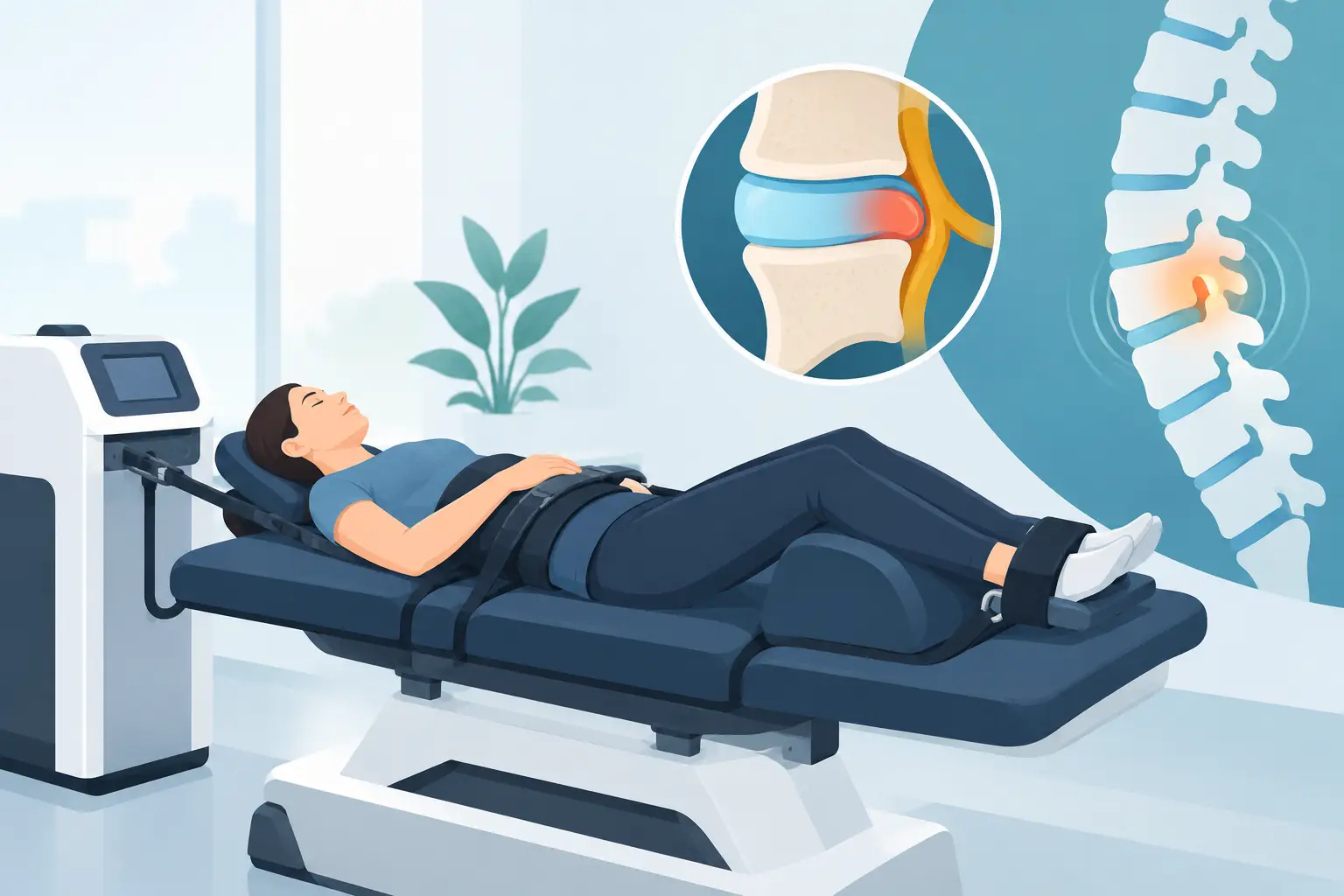
Cervical decompression, intersegmental traction, trigger point therapy, and interferential electrical stimulation may be recommended based on the injury pattern and the patient’s tolerance. These approaches can help support circulation, ease guarding in irritated muscles, improve range of motion, and make daily movement more comfortable. The right combination depends on the exam findings, symptom severity, and progress over time.
Treatment is not only about reducing today’s headache. It is also about restoring the ability to turn your head safely, sleep in a more comfortable position, work without constant tension, and return to normal activities with confidence. Some patients respond quickly, while others need a more gradual recovery plan. Prior injuries, the force of the collision, work demands, and whether a concussion or disc injury is involved can all affect the timeline.
Practical Steps While You Arrange Care
Avoid trying to “push through” escalating pain after an accident. Gentle movement is often better than complete inactivity, but forceful stretching, self-manipulation, and returning to strenuous workouts too soon can aggravate an irritated neck. Keep track of when headaches occur, what seems to trigger them, how long they last, and whether they come with dizziness, nausea, numbness, or visual changes.
That record can be helpful for your care team and, when applicable, for an injury claim. If you are working with an attorney or insurance company, organized clinical documentation helps show the connection between the accident, your symptoms, the treatment provided, and your response to care. Patients should not have to choose between focusing on healing and managing the paperwork alone.
For Fort Worth-area accident patients, scheduling an evaluation early can provide both clinical direction and a clearer recovery record. If transportation, insurance communication, or a Letter of Protection is part of your situation, asking about those details at the start can make the process less stressful.
A headache after whiplash is your body’s signal that the neck may need attention, not a symptom to simply wait out. Getting the right evaluation gives you a practical next step: understand what is driving the pain, begin appropriate care, and make room to focus on healing.