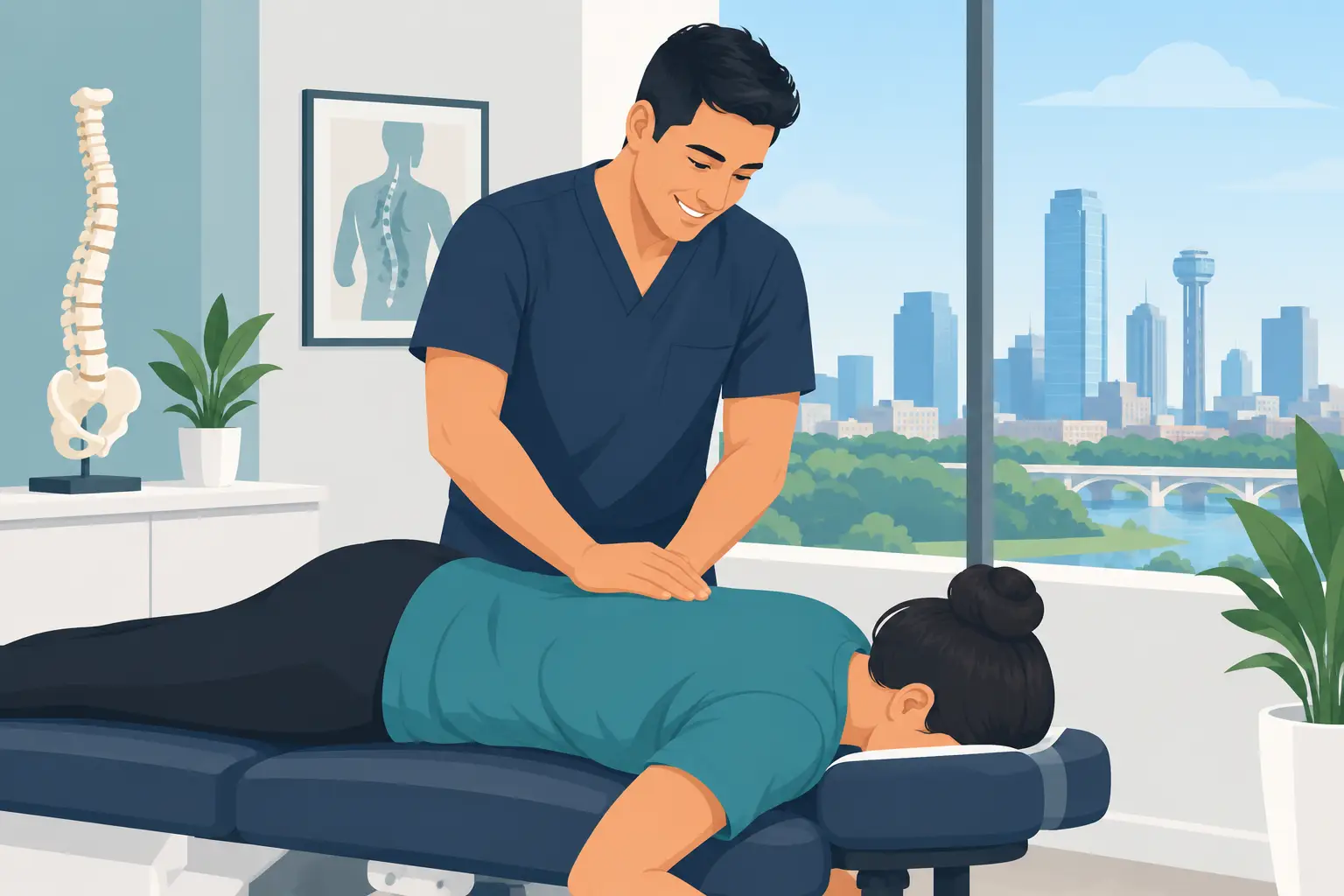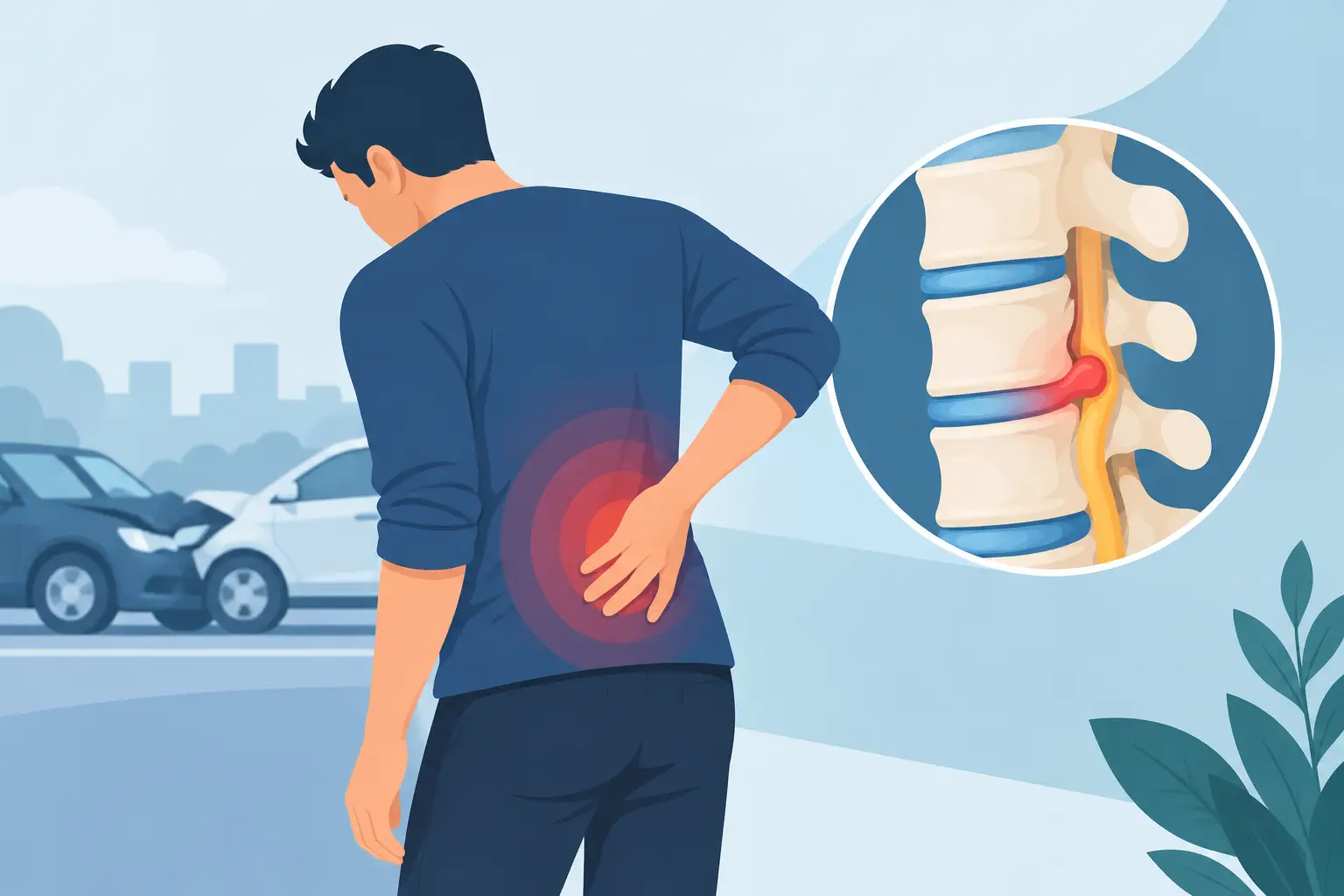
After a car accident, a simple question can feel harder than it should: Can I explain exactly where it hurts, when the pain started, and what I need next? A bilingual chiropractor Fort Worth patients can speak with comfortably helps remove that barrier. Clear communication is not an extra convenience when you are injured. It is part of getting an accurate evaluation, understanding your treatment plan, and feeling confident about every step of recovery.
At Westside Spine & Injury, bilingual care is paired with organized, non-surgical treatment for accident injuries and musculoskeletal pain. Whether pain began after a collision, a fall, repetitive work, or a flare-up of an older condition, the focus is to reduce pain, restore mobility, and help you move forward with a plan that makes sense.
Why language access matters after an injury
Pain is personal, and the details matter. Neck stiffness may be mild in the morning but severe by the end of a workday. A headache may begin at the base of the skull. Tingling may travel down one arm or into a leg. When patients can describe these changes in the language they use most naturally, the clinical team has a clearer picture of how the injury is affecting daily life.
Bilingual chiropractic care can also make medical instructions easier to follow. Patients should understand why a certain therapy is recommended, what a chiropractic adjustment is intended to address, how often visits may be needed, and what changes should prompt a call to the clinic. There should be room to ask questions without feeling rushed or concerned that something was lost in translation.
This is especially valuable after an auto accident. Many people leave the scene believing they are fine because adrenaline can temporarily mask discomfort. Hours or days later, they may notice whiplash symptoms, low back pain, limited range of motion, headaches, muscle spasms, or pain that interferes with sleep. A prompt evaluation creates an opportunity to document symptoms, identify movement limitations, and begin appropriate conservative care.
What to expect from a bilingual chiropractor in Fort Worth
The right first visit should feel organized, not overwhelming. Your provider will discuss how the injury happened, where you feel pain, your health history, and how symptoms are affecting work, driving, childcare, exercise, and other responsibilities. A physical evaluation may assess posture, spinal motion, muscle tenderness, joint function, and signs of nerve irritation.
From there, care should be individualized. Not every patient with neck pain needs the same treatment, and not every person with sciatica has the same source of symptoms. The plan may include chiropractic adjustments, trigger point therapy, intersegmental traction, interferential electrical stimulation, or other therapies intended to ease muscle tension, support circulation, reduce inflammation, and improve mobility.
For some disc-related pain or persistent neck and back symptoms, spinal or cervical decompression may be considered as part of a broader plan. These therapies are not one-size-fits-all solutions. The best approach depends on your examination findings, symptom history, tolerance for care, and recovery goals. A good provider explains the reasoning in clear language and adjusts the plan as your condition changes.
Communication should continue between visits
A treatment plan is more useful when you know what to watch for at home. You may receive guidance about activity modification, posture, gentle movement, or avoiding motions that aggravate the injury. Progress is measured by more than a pain number. Better sleep, easier turning while driving, fewer headaches, greater range of motion, and a safer return to normal routines all matter.
If symptoms worsen, new numbness or weakness develops, or you are unsure whether a change is expected, you should be able to contact the office and get clear direction. Chiropractic care can be an effective conservative option for many musculoskeletal conditions, but serious symptoms may need additional medical evaluation. Sudden weakness, loss of bowel or bladder control, severe chest pain, trouble breathing, or a severe headache after trauma require urgent medical attention.
Care after a car accident involves more than treatment
For many injured drivers and passengers, the hardest part is not only the pain. It is the paperwork, insurance calls, attorney communication, missed work, and uncertainty around what happens next. When these tasks pile up, people sometimes delay care or stop treatment before they have recovered.
A personal injury-focused clinic can help keep the process organized while you focus on healing. This may include detailed evaluations and treatment records, communication with an attorney or insurance company, and support for patients using a Letter of Protection. Transportation assistance may also be available for patients who cannot safely drive or do not have reliable transportation to appointments.
Documentation is particularly important because symptoms can evolve. Consistent records help show when care began, what limitations were present, how the condition responded to treatment, and what ongoing needs remain. That does not mean treatment should be driven by a legal case. Your care plan should always be based on your condition and functional recovery. Still, accurate records can reduce confusion for everyone involved.
When should you schedule an evaluation?
Sooner is generally better after an accident, even if discomfort seems manageable at first. Early care can establish a baseline, address movement restrictions before they become more entrenched, and give you a clear plan for monitoring symptoms. There is no universal timeline for recovery. A minor strain may improve quickly, while whiplash, nerve symptoms, or disc irritation can require more time and consistent care.
You should also consider an evaluation for pain that did not begin with a crash. Recurring low back pain, neck tension from desk work, headaches tied to muscle tightness, joint pain, and restricted mobility can all affect the way you work and live. Conservative chiropractic treatment may be appropriate when the goal is to improve movement and manage pain without immediately turning to invasive options.
Questions worth asking before you choose a provider
Choosing a chiropractor is a healthcare decision, so it is reasonable to ask direct questions. Ask whether the office can communicate in your preferred language, whether same-day appointments are available, and what the initial evaluation includes. If your injury involves a claim, ask how records are handled and whether the team works with attorneys, insurance representatives, or Letters of Protection.
You can also ask how progress will be evaluated. The answer should be specific: changes in pain, range of motion, strength, function, and daily activity tolerance are all useful markers. Be cautious of promises of instant cures or a treatment plan that is presented before anyone has taken the time to understand your injury.
Convenience matters, too. Patients recovering from an accident may need flexible scheduling, help coordinating visits, or a location that is accessible from Fort Worth, Arlington, Benbrook, or nearby communities. The goal is not to make your schedule revolve around the clinic. It is to make consistent care realistic enough that you can follow through.
A clearer path to recovery
Being understood can change the entire experience of injury care. When you can explain your symptoms clearly and receive answers you understand, it becomes easier to make informed choices, keep appointments, and stay focused on recovery. A bilingual chiropractic office should offer more than translated words. It should provide respectful care, a personalized plan, and practical support when life feels disrupted.
If pain, stiffness, headaches, or limited movement are holding you back after an accident or everyday strain, schedule an evaluation and bring every question you have. The right care team will help you understand your options, organize the next steps, and give your recovery the attention it deserves.